Political Elites Leadership and Cults of Personality
Political Elites
The Few Who Rule
In any society, a small group of people holds a disproportionate amount of power. These are the political elites: the individuals who occupy key positions in government, corporations, the military, and other major institutions. They're not just politicians; they're the decision-makers who shape the laws we live by and the direction our society takes.
What sets them apart? It's not always wealth or family name, though those often play a role. The defining characteristic of an elite is their organizational position. They have access to resources and networks that the average person doesn't, allowing them to exert significant influence over public policy and political outcomes. They are the commanders, the executives, and the strategists of a society.
The core idea of elite theory is simple: the many are governed by the few.
Classical Elite Theory
The idea that societies are naturally run by a minority isn't new. Two Italian thinkers, Vilfredo Pareto and Gaetano Mosca, laid the groundwork for this school of thought in the late 19th and early 20th centuries.
Pareto argued that history is a story of competing elites. He saw a constant "circulation of elites," where one ruling group is replaced by another. He famously categorized elites as either "lions" or "foxes." Lions rule through force and decisiveness, maintaining order and tradition. Foxes, on the other hand, rule through cunning, negotiation, and manipulation. A healthy society needs a balance of both, but over time, one type tends to dominate, creating an opening for a new elite with the opposite qualities to rise and take over.
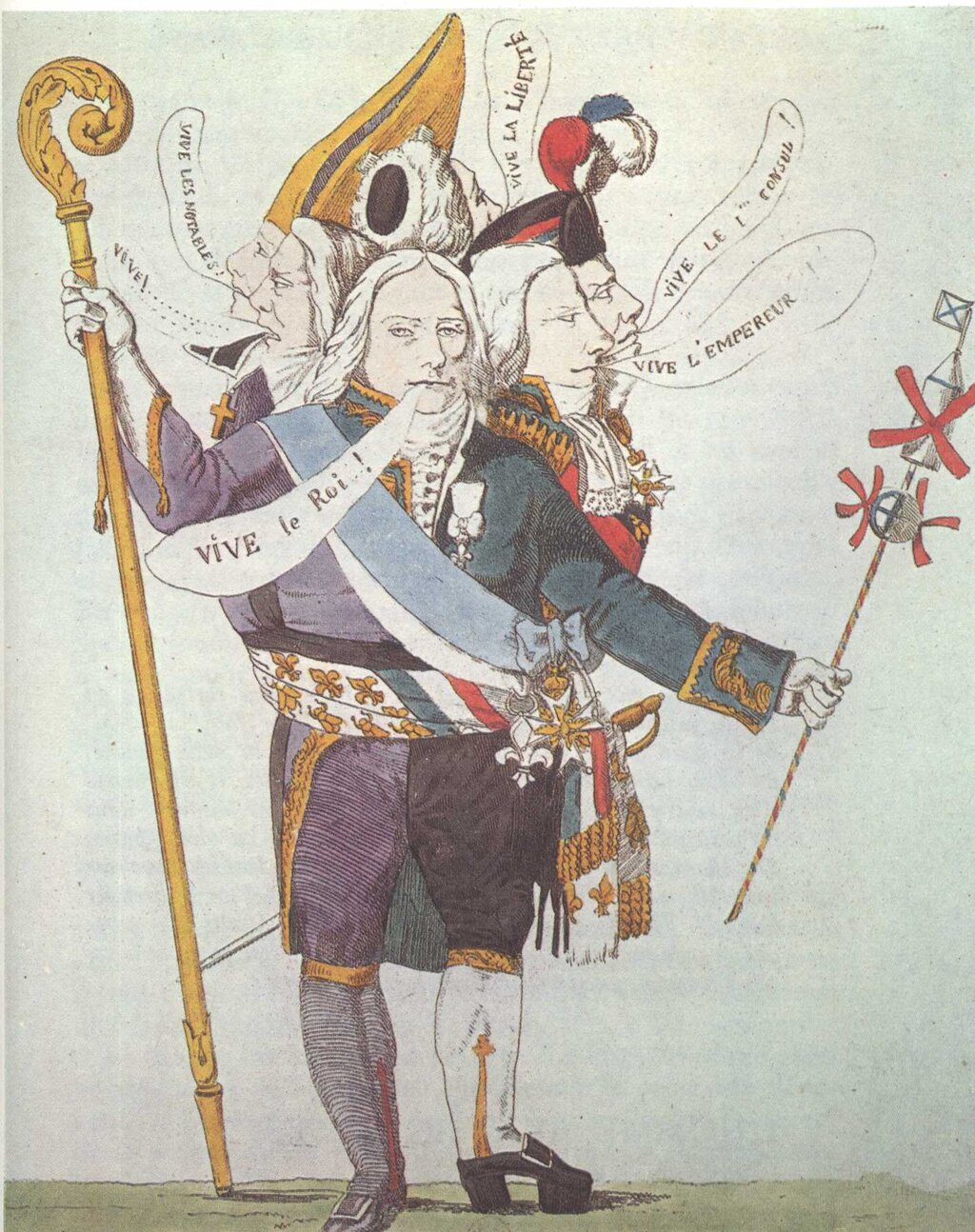
Gaetano Mosca had a similar but distinct idea. He focused on the "political class," his term for the organized minority that always rules over the disorganized majority. No matter the form of government—monarchy, aristocracy, or democracy—this dynamic holds true. The political class maintains its power through a "political formula."
This formula is the set of beliefs, myths, and ideologies that justifies the elite's right to rule. It could be the divine right of kings, the will of the people in a democracy, or the expertise of technocrats. This formula provides the moral and legal basis for their power, making the majority's obedience seem natural and just.
How Elites Stay in Power
How does a small minority maintain control over a much larger population? Elites use several interconnected mechanisms to secure their positions. They don't just rely on formal authority; they build a web of influence that reinforces their power.
| Mechanism | Description |
|---|---|
| Institutional Control | Occupying top positions in government, law, business, and media to set agendas and control information flow. |
| Social Networks | Building exclusive circles through elite schools, clubs, and family ties, which creates a shared worldview and loyalty. |
| Financial Power | Using wealth to fund political campaigns, lobby lawmakers, and support think tanks that promote their interests. |
| Shaping Ideology | Influencing public opinion through control of media, education, and cultural institutions to make their rule seem legitimate (Mosca's "political formula"). |
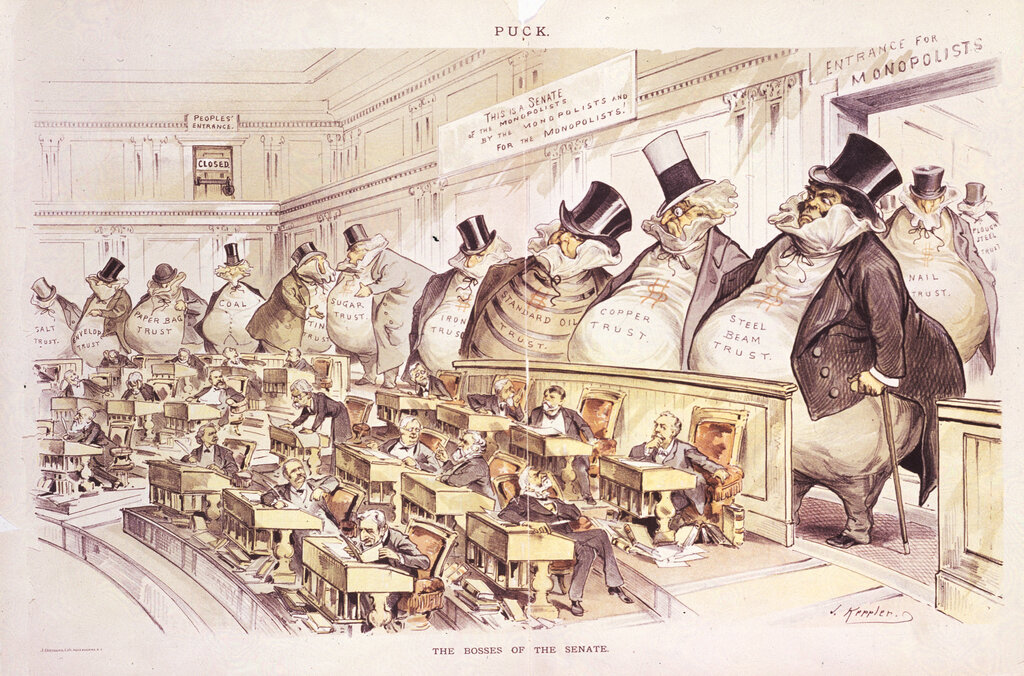
By controlling these key areas, elites can shape the rules of the game to their advantage. They influence which issues get debated, which candidates get funding, and which policies are considered acceptable. This creates a system that is often resistant to radical change from below.
Elites and the People
The existence of powerful elites creates a fundamental tension in democratic societies. If a small, unrepresentative group holds most of the power, can a country truly be considered democratic?
Elite theorists would say that democracy is more of an ideal than a reality. While citizens can vote and participate in politics, their choices are often limited to candidates and policies approved by the elite. The real decisions are made behind closed doors, in boardrooms and exclusive meetings.
However, elites are not all-powerful. They still need the consent, or at least the passive acceptance, of the broader population to govern effectively. If the public loses faith in the system or feels their interests are completely ignored, it can lead to social unrest, protests, and even revolution. This forces elites to be at least somewhat responsive to public opinion. They must constantly manage their image and adapt their "political formula" to maintain legitimacy in the eyes of the people they rule.
Time to check your understanding of political elites.
According to the provided text, what is the most defining characteristic of a political elite?
Vilfredo Pareto described a "circulation of elites." He categorized them as either "lions" or "foxes." A leader who rises to power through clever deal-making, negotiation, and manipulating public perception would be considered a...
The study of political elites reminds us that power is rarely distributed equally. Understanding who holds power, and how they use it, is a crucial first step in analyzing any political system.