Polish Job Market CV Essentials
Understanding the Polish Job Market
The Polish Job Market
Poland's economy has grown impressively over the last few decades, creating a dynamic and competitive job market. It's a key player in Central Europe, attracting both international corporations and local entrepreneurs. Understanding its unique landscape is the first step toward finding your place in it.
Key Industries
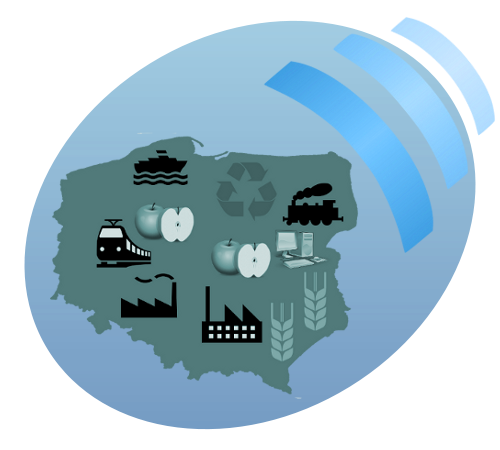
While Poland has a strong industrial history, its modern economy is diverse. The manufacturing sector remains a powerhouse, especially in automotive, electronics, and food processing. However, the service sector has become a major engine of growth.
Cities like Warsaw, Kraków, and Wrocław are major hubs for Business Process Outsourcing (BPO) and Shared Service Centers (SSC). These centers handle everything from accounting and IT support to HR for global companies. The tech industry is also booming, with a high demand for software developers, data analysts, and cybersecurity specialists. Logistics is another critical sector, thanks to Poland's strategic location at the crossroads of Europe.
Beyond these pillars, look for opportunities in emerging fields. Green energy, financial technology (fintech), and life sciences are gaining momentum, driven by innovation and investment.
What Employers Look For
Polish employers place a high value on formal qualifications. A university degree is often a baseline expectation for professional roles. Specific certifications and postgraduate studies can also make you a more attractive candidate. They look for practical, job-specific skills, so be ready to demonstrate your expertise.
But technical ability isn't everything. Soft skills are increasingly important. Employers want to see adaptability, strong problem-solving skills, and clear communication. Teamwork is crucial, but so is the ability to work independently and take initiative.
Employers value candidates who can clearly show how their specific skills and experiences directly solve the needs outlined in a job description.
Workplace Culture
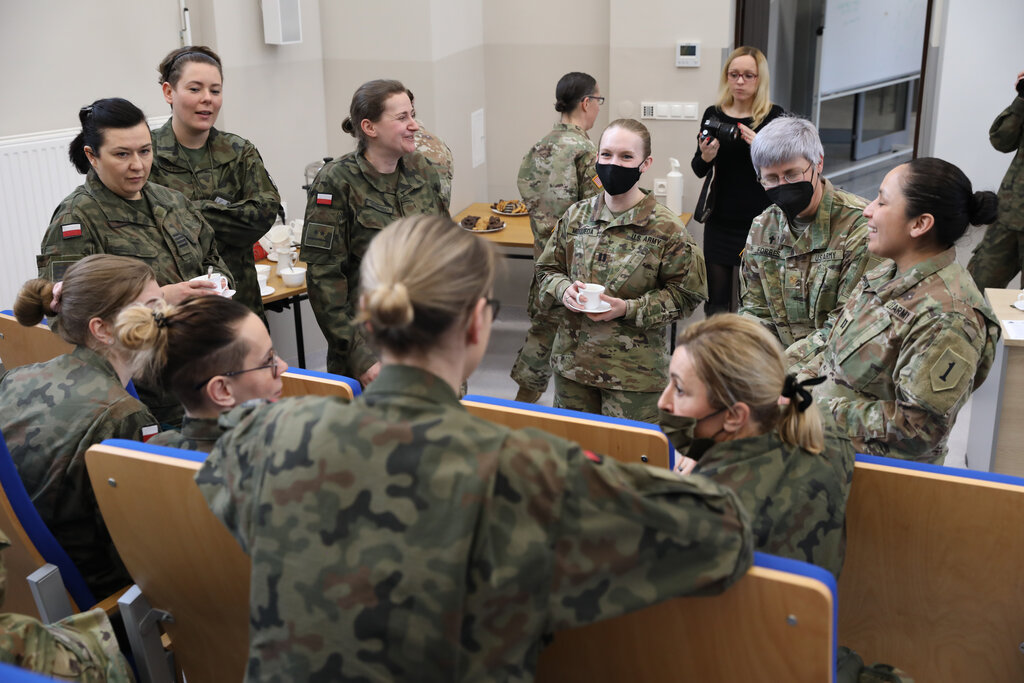
The Polish workplace often blends traditional formality with modern, international practices. In many companies, especially more established ones, there is a clear sense of hierarchy. Addressing colleagues and superiors by their professional titles (Pan/Pani) is common, at least initially. Communication tends to be direct and to the point, which is seen as a sign of efficiency and respect for others' time.
However, building good personal relationships with colleagues is also important. While interactions might seem formal at first, there's a strong emphasis on trust and mutual respect. In multinational corporations and younger tech companies, you'll likely find a more relaxed, collaborative atmosphere that mirrors Western business culture.
Punctuality is highly valued and is considered a basic sign of professionalism. Deadlines are generally taken seriously. Understanding these nuances will help you navigate your new work environment successfully.
Ready to test your knowledge?
Which sector has become a primary engine of growth in Poland's modern economy, with hubs in cities like Warsaw and Kraków?
Which of the following is NOT considered a key emerging field in the Polish economy?
Knowing the terrain is the first step. Now you're better prepared to enter the Polish job market.