Polish for Russian and English Speakers
Polish Alphabet and Pronunciation
The Polish Alphabet
Getting started with Polish means getting to know its alphabet. The good news is that Polish uses the Latin script, just like English. If you can read English, you're already halfway there. Many letters look and sound exactly the same.
Although it’s a Slavic language, Polish uses Latin letters in its alphabet.
However, you'll quickly notice some letters with extra marks called diacritics. These aren't just for decoration—they change the letter's sound entirely. There are also a few familiar letters that have a completely different pronunciation in Polish.
Familiar Letters, New Sounds
Let's start with the easy ones: letters you already know that just have a different sound. For English speakers, these are often the first little hurdles.
- C is always pronounced like 'ts' in "cats". It's never soft like in "celery" or hard like in "car". Think of the sound a cymbal makes: ts, ts, ts.
- W sounds like the English V. So, the word woda (water) is pronounced "voda".
- J sounds like the English Y in "yes". The word for apple, jabłko, starts with a 'y' sound.
For those familiar with Russian, you'll find some common ground. Polish is a Slavic language, so some sounds will feel familiar, but the letters used to write them are different. For example, the Russian letter 'B' sounds like 'V', which is exactly how the Polish 'W' sounds.
The Special Characters
Now for the letters that make Polish look distinctly Polish. These are the ones with the diacritics. Don't be intimidated; each mark is a consistent guide to pronunciation.
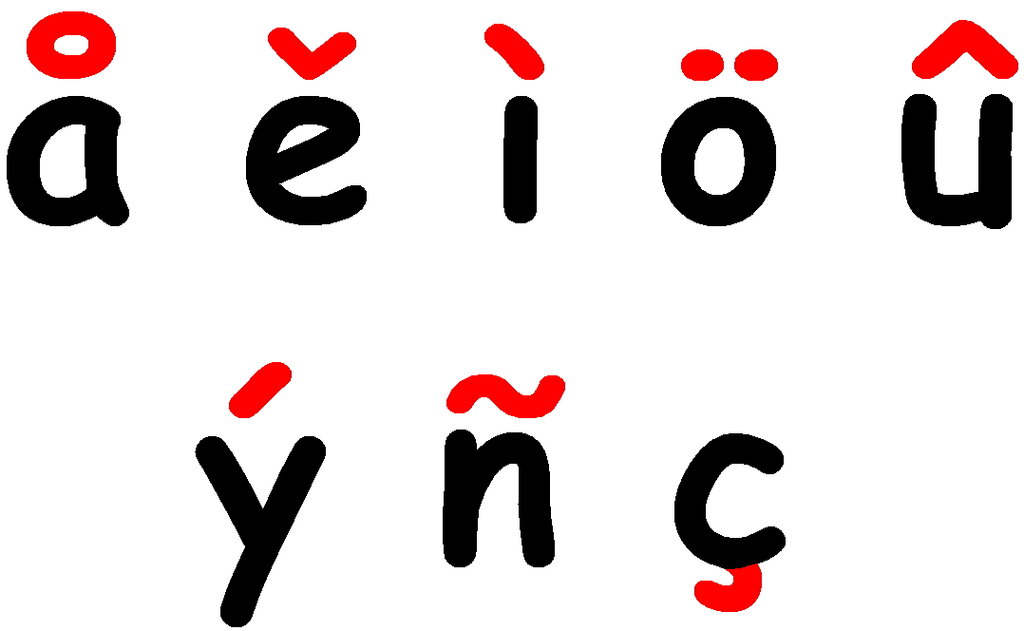
First up are the nasal vowels, marked with a little tail called an ogonek.
- Ą (ą) sounds roughly like 'on' in the French word bon, or 'own' in "sown".
- Ę (ę) sounds like 'en' in the French word enfin, or 'ewn' in "sewn".
Next are the letters with an acute accent, or kreska. This mark softens the consonant.
- Ć (ć) is a soft 'ch' sound, like in "cheap".
- Ń (ń) is similar to the 'ny' sound in "canyon".
- Ś (ś) is a very soft 'sh' sound. To make it, try saying 'sh' with your tongue placed further forward in your mouth.
- Ź (ź) is the voiced version of ś, like the 's' sound in "pleasure" or "measure", but softer.
- Ó (ó) is a surprise. Despite the accent, it's pronounced exactly like the Polish U, making an 'oo' sound as in "moon".
Finally, we have the dot (kropka) and the stroke (kreska ukośna).
- Ż (ż) has the same sound as the digraph rz—like the 's' in "pleasure".
- Ł (ł) is one of the most distinctive Polish sounds. It's pronounced like the English W in "water".
Pronunciation is crucial due to the presence of unfamiliar sounds such as “ł” (pronounced like English “w”) or “sz” (similar to “sh”).
| Letter | Pronunciation | Example Word (Meaning) |
|---|---|---|
| Ą, ą | Nasal 'o' (like French on) | Mąka (Flour) |
| Ć, ć | Soft 'ch' (like in cheap) | Pięć (Five) |
| Ę, ę | Nasal 'e' (like French en) | Ręka (Hand) |
| Ł, ł | 'w' sound (like in wow) | Ładny (Nice) |
| Ń, ń | 'ny' sound (like in canyon) | Koń (Horse) |
| Ó, ó | 'oo' sound (like in moon) | Góra (Mountain) |
| Ś, ś | Soft 'sh' sound | Śnieg (Snow) |
| Ź, ź | Soft 'zh' sound | Źle (Badly) |
| Ż, ż | 'zh' sound (like 's' in pleasure) | Żaba (Frog) |
Getting these sounds right from the start will make a huge difference. Listen to native speakers and try to mimic the sounds. It takes practice, but mastering the alphabet is the first big step toward speaking Polish confidently.