Poker Fundamentals
Poker Basics
The Goal of the Game
At its heart, poker is a simple game. The main objective is to win the “pot,” which is the sum of all the bets made by players in a single hand. You can win the pot in one of two ways: either by having the best hand at the end of the game, or by convincing all other players to fold their hands, leaving you as the last one standing.
Whether through skill, luck, or a bit of bluffing, the goal is always the same: take down the pot.
The Tools of the Trade
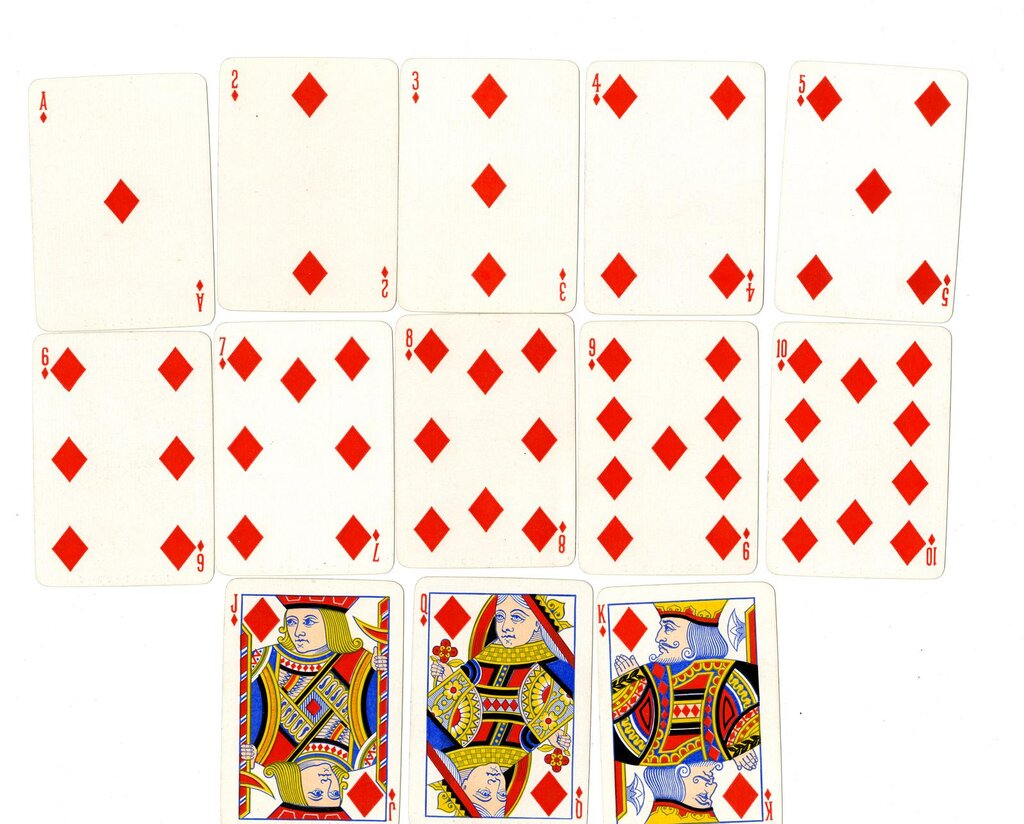
Poker is played with a standard 52-card deck. These cards are divided into four suits: hearts (♥), diamonds (♦), clubs (♣), and spades (♠). In most poker games, the suits themselves don't have different values; a heart is not better than a spade.
Each suit contains thirteen cards, ranked in order of value. The ranks are: 2, 3, 4, 5, 6, 7, 8, 9, 10, Jack (J), Queen (Q), King (K), and Ace (A). The Ace is usually the highest-ranking card, but it can also be used as the lowest card to form a straight (a sequence like A-2-3-4-5).
What Makes a Winning Hand?
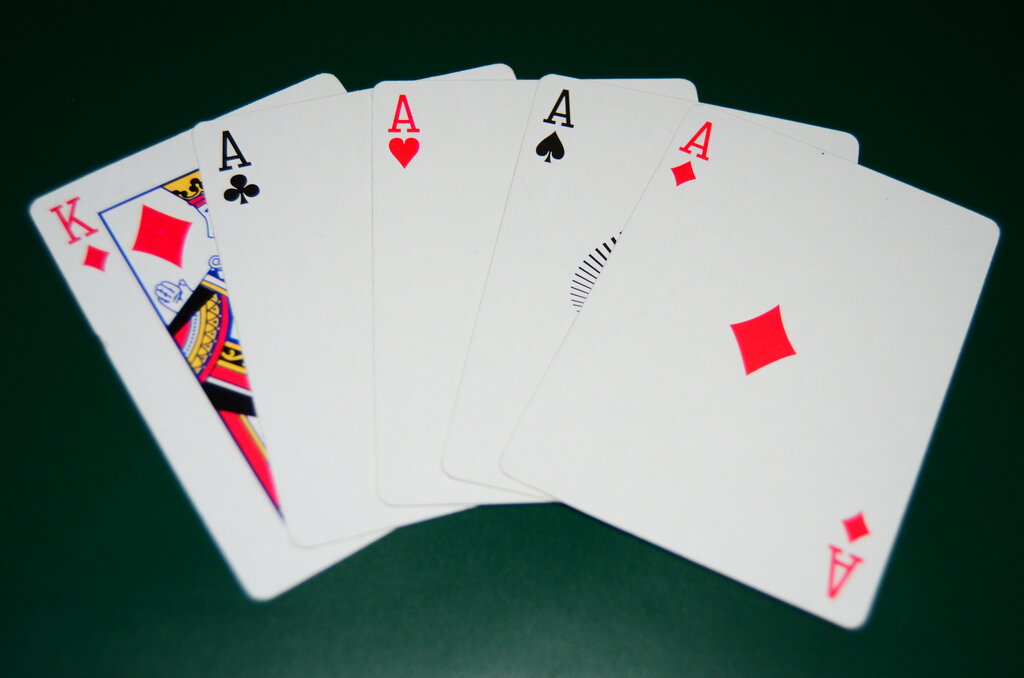
The entire game revolves around making the best possible five-card hand. Certain combinations of cards are stronger than others. This hierarchy of hands is what determines the winner when players reveal their cards in a showdown.
Understanding these hand rankings is the single most important skill for a new player. You don't need to memorize them all at once, but knowing that a flush (five cards of the same suit) beats a straight (five cards in sequence) is fundamental. Think of hand rankings as the alphabet of poker; you need to know them before you can start forming words and sentences.
Every decision you make in poker, from betting to folding, will be based on the strength of your hand and what you think your opponents might have. We'll explore the specific rankings next.