Poetry for Power and Presence
Lines and Stanzas
The Building Blocks of a Poem
Unlike a block of prose in a novel, a poem is built with visible, intentional structure. The most basic unit of this structure is the line. A poetic line is simply a single row of words. Where the poet chooses to end that line—the line break—is a crucial decision.
Think of line breaks as a form of visual punctuation. They tell you how to read the poem, and more importantly for a speaker, how to say it. A line break signals a pause. It’s a moment to take a breath, slow down, and let a word or idea hang in the air for a moment. This control over pacing is what can make a spoken poem so powerful.
Stopping and Flowing
Lines can end in two primary ways. The first is called an end-stopped line. This is when a line of poetry ends with a natural pause, usually marked by punctuation like a period, comma, or semicolon. The thought is complete within the line, giving it a feeling of finality or rest.
The sun did rise and help me to rejoice; But O, the wind is like a doleful voice.
The opposite of this is enjambment. This is when a line breaks in the middle of a thought, phrase, or sentence, and the meaning runs on to the next line without a punctuated pause. Enjambment pulls the reader forward, creating a sense of momentum, speed, or even suspense. As a speaker, you wouldn't take a full pause after an enjambed line; you'd let your voice carry the momentum into the next line.
The wind is like a doleful voice that whispers secrets through the trees.
Notice how the feeling changes between the two examples. The first feels measured and calm. The second feels more fluid and urgent.
Grouping Lines into Stanzas
Just as sentences are grouped into paragraphs, lines in a poem are often grouped into stanzas. A stanza is a set of lines separated from others by a blank line or white space. Stanzas act like rooms in a house, each holding a distinct idea, image, or moment in the poem.
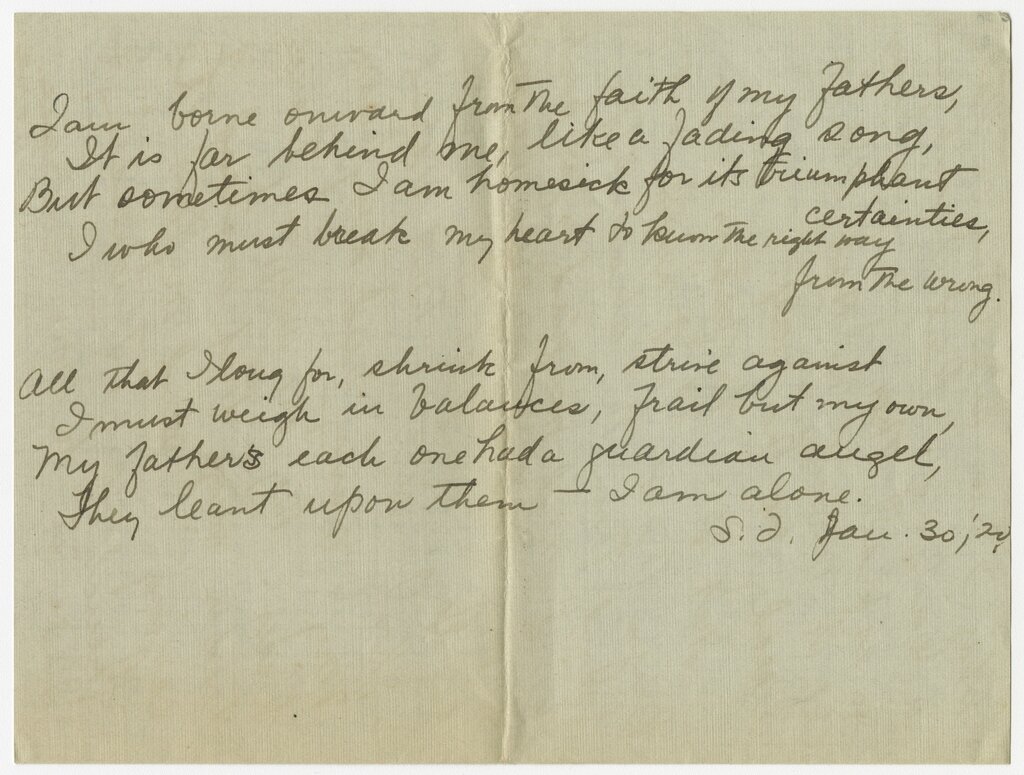
That white space is important. It's not just empty; it's a powerful tool for a speaker. A break between stanzas is a signal for a longer, more significant pause than a simple line break. It gives your audience a moment to absorb what they've just heard before you move on to the next thought. The amount of white space a poet uses can influence the reading speed. More space often encourages a slower, more deliberate pace.
Understanding these basic building blocks is the first step in learning to deliver a poem effectively. Let's see what you've learned.
What is the most basic structural unit of a poem?
For someone speaking a poem, what does a line break primarily signal?
By recognizing how lines and stanzas work, you can begin to control the rhythm and flow of your delivery, turning words on a page into a compelling performance.