Poetic Echoes of the Atlanta Hills
Piedmont Terrain Analysis
The Ground Beneath the City
To understand Atlanta, you have to start from the ground up. The city isn't built on a flat grid or a dramatic coastline. It sits on the plateau, a vast region of rolling hills that stretches from Alabama to New Jersey. This isn't just a random patch of land; it's the eroded heart of an ancient mountain range, far older than the Appalachians we see today. The rock beneath your feet tells a story of immense pressure and heat, resulting in a landscape that’s subtle but complex.
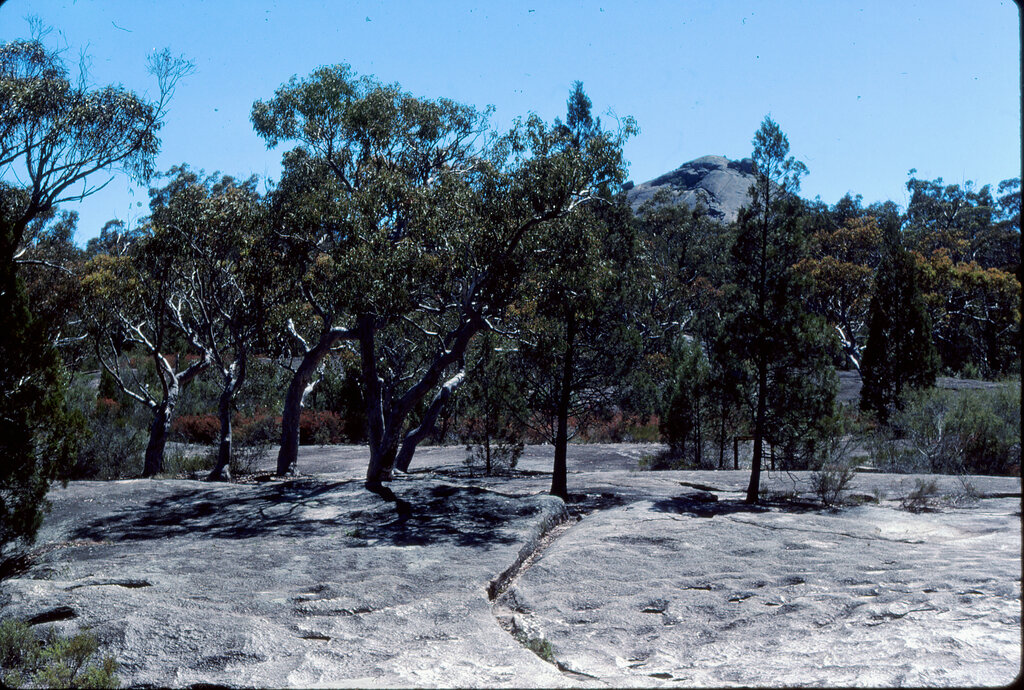
The defining features of this geology are the soil and the stone. The famous Georgia red clay is a direct result of the humid climate weathering iron-rich minerals in the underlying rock. It's the signature color of the region. Poking through this clay blanket are massive, smooth domes of granite. These outcrops, called monadnocks, are harder rocks that resisted the erosion that wore down the land around them. They stand as ancient, gray islands in a sea of green trees and red earth.
Mapping the Rolls and Folds
The Piedmont's geology creates an undulating landscape. Atlanta isn't a city of steep mountains, but one of constant, gentle elevation shifts. Roads rise and fall. Neighborhoods are built on ridges or nestled in shallow valleys. This creates unique sightlines and perspectives. From a crest in a neighborhood like Druid Hills, you might catch an unexpected glimpse of the downtown skyline, framed by trees, before dipping back down into a hollow.
This is where becomes a powerful tool for a writer, not just a geographer. Before you write a word, tracing the contour lines of a place like Grant Park or Ansley Park forces you to see the physical reality. It's a pre-writing exercise that reveals the skeleton of the landscape, showing you where water flows, where the high ground is, and how the very shape of the land dictates the feeling of a place.
This kind of map reveals the subtle drama of the land. A 20-foot change in elevation is enough to completely alter your perspective, hiding one view while revealing another. It's the reason a short walk in Atlanta can feel like a journey through different environments.
Neighborhood Climates
These shifts in elevation and aspect create distinct within the city. A north-facing slope in a forested hollow will be cooler and hold more moisture than a south-facing hilltop exposed to the sun. These aren't dramatic differences, but they are meaningful.
They affect which plants thrive where, from the ferns in a shady creek bed to the hardy pines on a dry ridge. This is the ecological underpinning of the 'City in a Forest.' The topography creates a mosaic of small, varied habitats, which in turn supports a diverse urban canopy. Understanding this connection moves you beyond simply describing trees and allows you to write about the system that sustains them.
Grasping the character of the Piedmont—its ancient rocks, red soil, rolling hills, and hidden valleys—is the first step to writing about Atlanta with authenticity. This physical landscape is the stage on which the city's story unfolds.
Ready to test your knowledge of Atlanta's unique landscape?
What is the name of the geological region, characterized by rolling hills, upon which Atlanta is built?
The famous Georgia red clay gets its signature color from which of the following processes?
Now that you understand the ground beneath the city, we can explore how this foundation gives rise to Atlanta's famous tree canopy.