Podcasting Mastery
Podcasting Basics
What Is a Podcast?
At its core, a podcast is like a radio show that you can listen to whenever you want. Instead of tuning in at a specific time, you can download or stream episodes on your phone, computer, or any other device. This on-demand nature is what makes podcasting so popular and accessible.
Podcast
noun
A digital audio file made available on the internet for downloading to a computer or mobile device, typically available as a series, new installments of which can be received by subscribers automatically.
The term itself, coined in the early 2000s, is a blend of "iPod" and "broadcast." The technology that powers podcasting, called RSS (Really Simple Syndication), allows listeners to subscribe to a show. When a new episode is released, it automatically appears in their podcast app. This simple but powerful idea opened the door for anyone with a microphone and an idea to share their voice with the world.
Podcasting was born of a revolutionary spirit, the latest in a long line of technologies developed to democratize communication: blogging, social media, the internet itself.
Finding Your Format
Podcasts come in many shapes and sizes. The format is the structure of your show, and it’s one of the first things you'll want to decide on. It shapes how you present your content and how your audience experiences it.
| Format | Description |
|---|---|
| Solo / Monologue | One person speaks directly to the audience. |
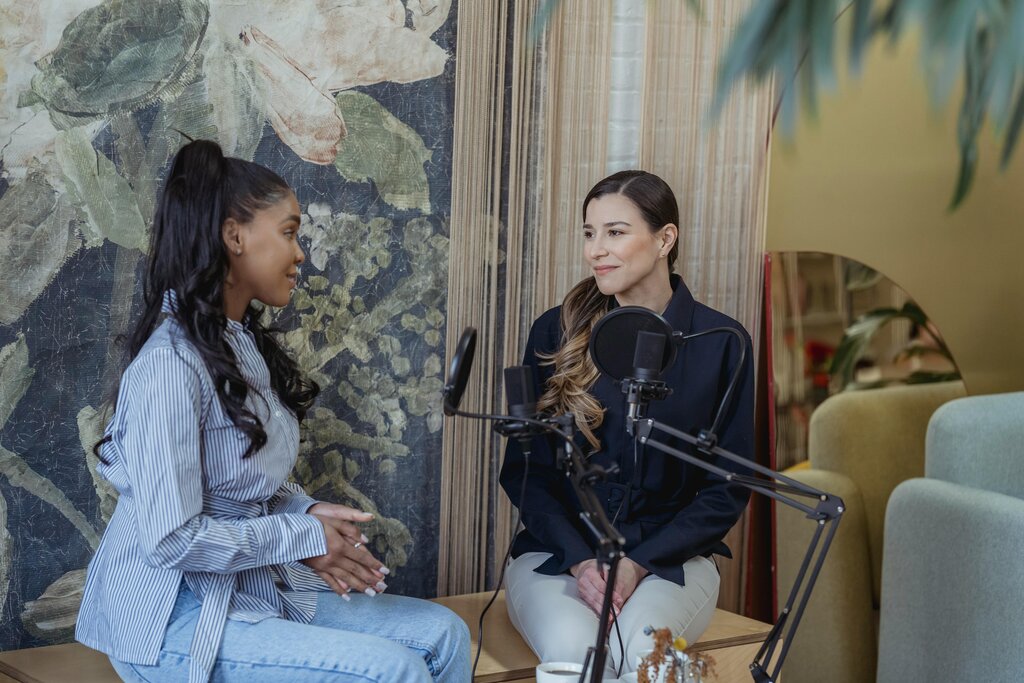
| Co-hosted | Two or more hosts discuss topics together. |
| Interview | A host interviews a different guest each episode. |
| Panel / Roundtable | A moderator guides a discussion with a group of experts or guests. |
| Narrative / Storytelling | A heavily produced format that tells a single story, often over multiple episodes. |
A solo host might teach a skill or share personal stories. A co-hosted show thrives on the chemistry between hosts, like friends having a conversation. Interview shows bring in fresh perspectives, while panel shows create a lively debate. Narrative podcasts often feel like listening to a movie or documentary, using sound design and scripting to build a world for the listener.
What's Your Niche?
Once you have a format in mind, think about your genre. This is the topic or category your podcast falls into. Just like with books or movies, there’s a podcast genre for almost every interest imaginable. A clear genre helps listeners know what to expect and makes it easier for new fans to find you.
Popular genres include:
- True Crime: Investigating real-life crimes.
- Comedy: Featuring interviews with comedians, improv, or humorous discussions.
- News & Politics: Daily briefings or deep dives into current events.
- Self-Help / Educational: Offering advice or teaching new skills.
- Fiction / Audio Drama: Telling fictional stories, much like old-time radio plays.
- Business / Entrepreneurship: Sharing tips and stories about starting and running a business.
The key is to pick a topic you're passionate and knowledgeable about. Your enthusiasm (or lack of it) will be obvious to your listeners.
Choosing a niche you love will make creating episodes feel less like work and more like a fun project.
Before You Hit Record
Before you even think about buying a microphone, it's crucial to lay some groundwork. A little planning goes a long way and sets you up for success. Ask yourself a few key questions to clarify your vision.
Clearly define your podcast’s purpose and ideal listener before starting.
First, who are you talking to? Imagine your ideal listener. Are they a student, a busy professional, a stay-at-home parent? Understanding your audience helps you tailor your content, tone, and even your episode length to their needs.
Next, what is your podcast for? Your goal might be to educate, entertain, inspire, or simply share a story. Defining this purpose will be your guidepost for every episode you create. It ensures your content stays focused and consistent, which helps build a loyal audience over time.
What is the primary characteristic that distinguishes a podcast from a traditional radio show?
Which technology allows listeners to subscribe to a show so that new episodes are automatically delivered to their podcast app?
With these foundations in place, you have a solid starting point for your podcasting journey.