Podcasting Essentials
Podcasting Basics
The Birth of a Medium
Think of a podcast as a radio show you can listen to whenever you want. Instead of tuning in at a specific time, you download or stream episodes on your phone or computer. The name itself is a blend of "iPod" and "broadcasting," coined in the early 2000s when portable MP3 players were becoming popular.
It all started with a technology called RSS (Really Simple Syndication), which allowed audio files to be automatically delivered to subscribers. Early on, podcasting was a niche hobby for tech enthusiasts. But as smartphones became common, listening to podcasts got much easier. Suddenly, anyone could have a studio in their pocket, ready to tune into shows about anything imaginable.
Podcast
noun
An episodic series of spoken-word digital audio files that a user can download to a personal device for easy listening.
This shift turned podcasting from a small community into a global media phenomenon. It democratized audio, giving a voice to creators who didn't have access to traditional radio stations. Today, millions of podcasts cover every topic, from investigative journalism to fictional stories and casual conversations.
A Format for Every Idea
Podcasts aren't a one-size-fits-all medium. The structure, or format, of a show shapes the listener's experience. While creators often mix and match styles, most shows fall into a few common categories.
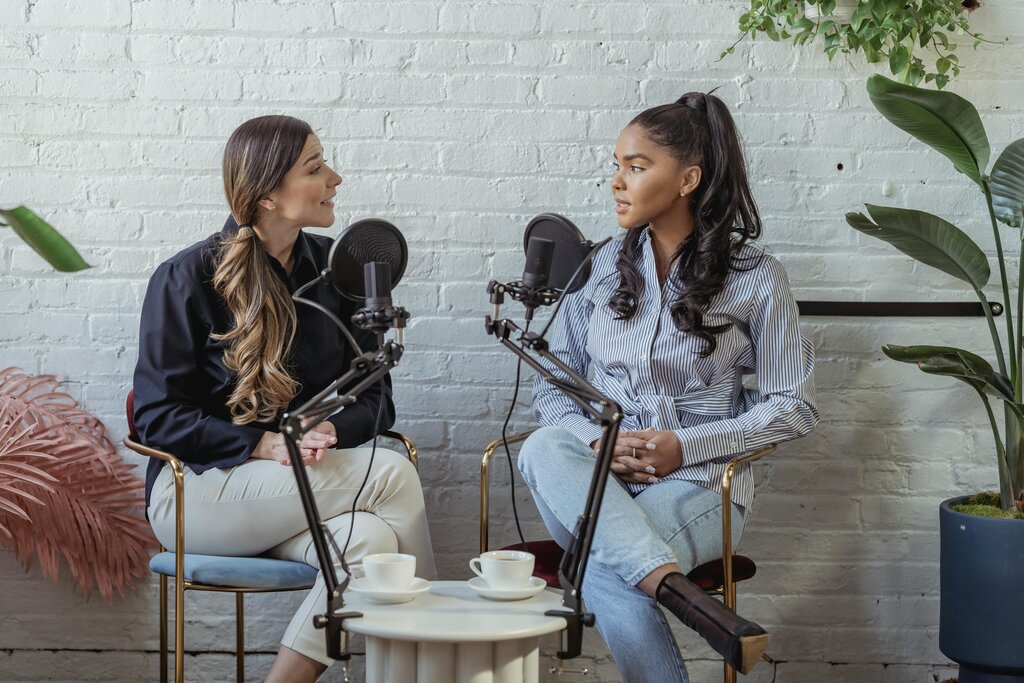
Understanding these formats can help you find shows you'll love or even inspire an idea for your own.
| Format | Description | Example |
|---|---|---|
| Interview | A host (or hosts) talks with a different guest each episode. | A celebrity talk show where actors discuss their latest projects. |
| Solo / Monologue | A single host shares their expertise, opinions, or stories. | A historian explaining the events of a specific battle. |
| Panel / Roundtable | A group of co-hosts and/or guests discuss a topic. | A weekly sports show where analysts debate recent games. |
| Narrative Storytelling | A highly produced show that tells a story over one or more episodes. | An investigative journalism series uncovering a cold case. |
| Repurposed Content | Audio taken from another source, like a live event or a TV show. | A recording of a keynote speech from a technology conference. |
Podcasting Today
The podcasting world is constantly changing. What started as an audio-only experience has expanded. One of the biggest trends is the rise of video podcasts, where creators film their recording sessions for platforms like YouTube and Spotify. This adds a visual layer that can make the show more engaging for some audiences.
Podcasting is a more democratized media format. Anyone with a microphone and an idea can share their voice with the world.
Another major shift is the focus on community. Successful podcasts often build a dedicated listenership through social media, newsletters, and live events. The connection between a host and their audience can be incredibly personal, making listeners feel like they're part of a club. This direct relationship is something traditional media often struggles to replicate.
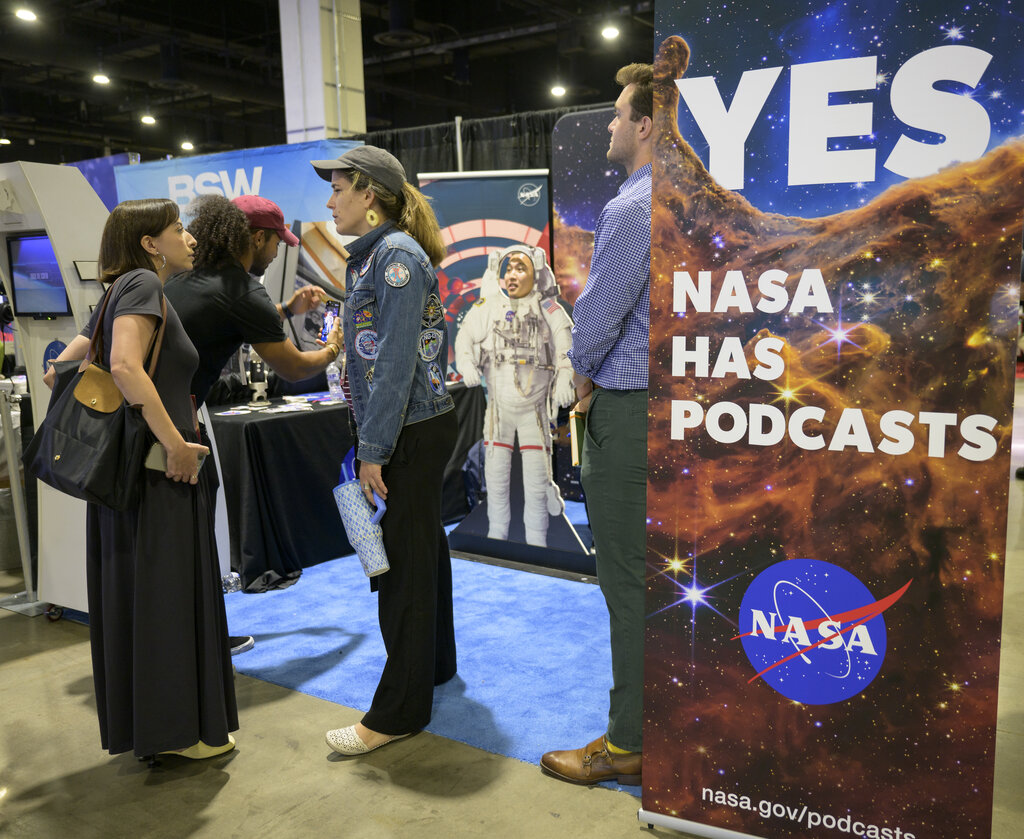
Big platforms like Spotify and Apple have invested heavily in podcasting, funding exclusive shows and improving discovery tools to help people find new content. This has brought more listeners to the medium but also raised questions about the open nature that defined early podcasting. Despite this, the core appeal remains: it's an intimate, flexible, and powerful way to share and consume stories and ideas.
The term "podcast" is a portmanteau, a word blending the sounds and combining the meanings of two others. Which two words were combined to create it?
What was the key technological innovation that allowed for the automatic delivery of new audio files to a subscriber's device in the early days of podcasting?
That's a wrap on the fundamentals. You now know where podcasts came from and the different shapes they can take.