Podcast Scriptwriting Mastery
Understanding Podcasting
The Rise of Radio's Successor
Before podcasts, there was radio. For decades, it was how people got their news, stories, and music. But the internet changed everything. In the early 2000s, a new technology emerged that combined the words "iPod" and "broadcast." The result? The podcast.
Podcasting was born of a revolutionary spirit, the latest in a long line of technologies developed to democratize communication: blogging, social media, the internet itself.
At its core, podcasting let anyone create their own radio show and share it with the world. There were no broadcasting licenses to buy or giant antennas to build. All you needed was a microphone, an idea, and an internet connection. This new freedom led to an explosion of creativity. Shows about niche hobbies, deep-dive histories, and fictional stories began to appear, finding audiences that traditional radio could never serve.
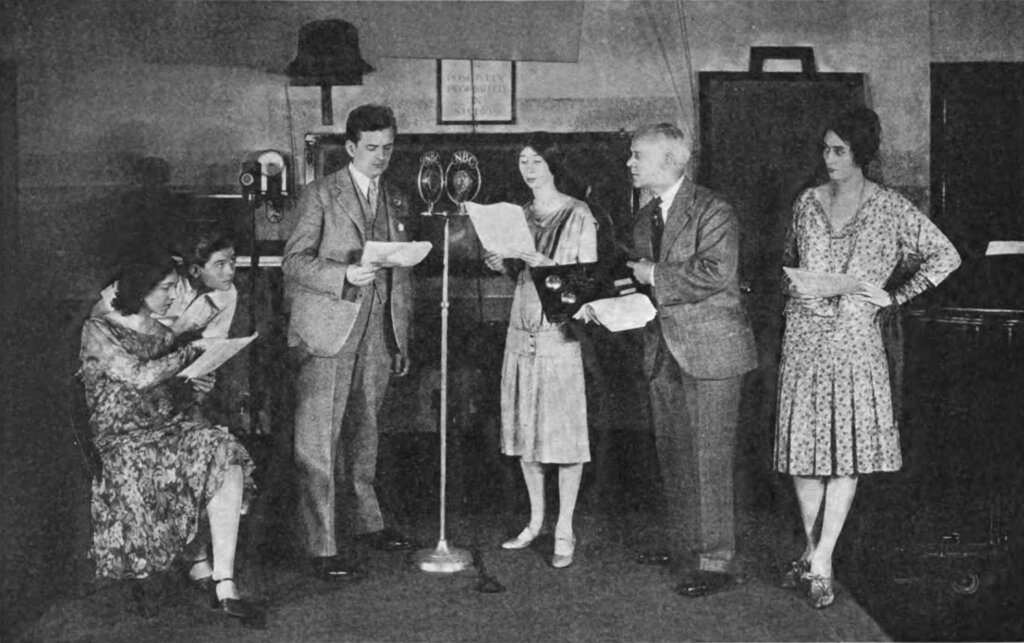
Early podcasts were often just a few people talking into a microphone. The quality was hit-or-miss, and finding new shows was a challenge. But as technology improved, so did the podcasts. Production values went up, storytelling became more sophisticated, and platforms like Apple Podcasts made it easy for listeners to discover and subscribe to new content. What started as a niche hobby has grown into a major media industry.
Finding a Format
Not all podcasts sound the same. The format is the structure or style of a show, and it shapes the listener's experience. Choosing the right one is a crucial first step for any creator. There are several common formats, each with its own strengths.
An interview show, like a talk show, relies on the dynamic between a host and their guests. A solo show is more like a personal journal or a lecture, where one person shares their expertise or thoughts. Narrative podcasts are like audio documentaries or movies, using sound design and storytelling to create an immersive experience. And panel shows bring together multiple voices for a lively debate or discussion.
The format you choose will influence everything, from how you prepare for an episode to how you edit the final audio. There's no single best format—only the one that's right for your idea and your audience.
The Power of a Script
Some podcasts feel like a casual, unscripted chat between friends. While some are, many of the most polished and engaging shows rely on a script. A script isn't meant to make a host sound like a robot. Instead, it's a roadmap that ensures the episode stays on track, covers all the important points, and respects the listener's time.
A podcast script is basically a written plan or outline that mentions what you will say during your podcast.
Scripts can range from a simple bulleted list of topics to a fully written, word-for-word document. For an interview show, a script might just be a list of questions and follow-up ideas. For a narrative storytelling podcast, the script is essential. It contains not just the host's narration, but also interview clips, sound effects, and music cues.
| Script Type | Best For | Key Feature |
|---|---|---|
| Bullet Points | Interviews, Panels | Flexible guide, keeps conversation flowing. |
| Detailed Outline | Solo, Educational | Ensures all key points are covered in order. |
| Full Script | Narrative, Storytelling | Precise timing for narration, clips, and sound. |
Writing a script helps you organize your thoughts and craft a clearer message. It allows you to find the perfect words to explain a complex idea or tell a compelling story. It also makes the editing process much smoother. Even if you go off-script during recording, having that foundation ensures your final episode is focused and professional.
While a script provides direction, leaving room for natural improvisation keeps your podcast authentic.
Think of it this way: a script provides the structure, but the host provides the personality. The best podcasts find a balance, using a script to guide them without letting it stifle the natural, human element that makes audio so powerful.
Time to check your understanding of podcasting fundamentals.
The term "podcast" is a portmanteau, combining which two words?
According to the text, what was a primary reason for the initial creative boom in podcasting?
From its roots in early internet culture to the polished productions of today, podcasting has become a dominant form of media. By understanding the different formats and the role of a good script, you've taken the first step toward appreciating what makes a great podcast.