Podcast Launchpad
Podcasting Basics
What Is a Podcast?
At its heart, a podcast is a digital audio file, like a radio show, but one you can listen to whenever and wherever you want. The name itself is a blend of "iPod" and "broadcast," hinting at its origins in the early 2000s when portable music players became popular. Unlike traditional radio, podcasts aren't live. They are pre-recorded episodes, usually focused on a specific theme or topic, that you can download or stream on-demand.
Think of it as a series. Just like a TV show has seasons and episodes, a podcast has a series of episodes. Listeners can subscribe to a show, and new episodes automatically appear in their podcast app. This on-demand nature is what makes podcasting so powerful. It lets creators connect directly with listeners who choose to tune in.

Finding Your Format
There’s no single way to make a podcast. The format you choose shapes the listener's experience and depends on your topic and personal style. Some formats are simple and direct, while others require more production.
The most common formats include:
- Interview: A host talks with a different guest each episode. This is great for exploring various perspectives on a single theme.
- Solo/Monologue: Just one person speaking directly to the audience. This format is perfect for experts sharing knowledge, comedians, or storytellers.
- Conversational/Co-hosted: Two or more hosts discuss topics. The chemistry between hosts is key here, creating a fun and engaging dynamic.
- Narrative Storytelling: This is like a documentary for your ears. These podcasts weave together interviews, sound effects, and narration to tell a single, compelling story over one or multiple episodes.
- Panel: A group of hosts and/or guests discuss a topic, like a roundtable. This format brings a variety of voices and opinions into one conversation.

| Format | Best For | Challenge |
|---|---|---|
| Interview | Exploring diverse viewpoints | Finding and scheduling guests |
| Solo/Monologue | Sharing deep expertise or personal stories | Keeping the energy up alone |
| Conversational | Dynamic and entertaining discussions | Maintaining focus and flow |
| Narrative | In-depth, immersive storytelling | High production effort and cost |
| Panel | Lively debates on current events | Managing multiple speakers at once |
Who Are You Talking To?
Before you even think about hitting record, ask yourself a crucial question: Who is this for? Knowing your target audience is the most important step in creating a successful podcast. You can't make a show for everyone. Trying to appeal to a broad audience often results in content that feels generic and doesn't connect with anyone.
Instead, find your niche. A niche is a specific, focused topic for a particular group of people. The more specific you are, the easier it is to create content that truly resonates. For example, instead of a general "history podcast," you could create a "podcast about the history of 19th-century maritime trade." The audience is smaller, but they'll be far more passionate and dedicated.
Think of your ideal listener. What are their interests? What problems do they have that your podcast can solve? What kind of humor do they appreciate? Picture one person and make the show for them.
Determine the kind of challenges they come across and how your podcast is in a position to solve them.
The Podcasting Landscape
Podcasting has exploded in popularity over the last decade. What started as a niche hobby has grown into a major global industry. Millions of podcasts now exist, covering every topic imaginable, from true crime and comedy to science and personal finance. This growth means more listeners than ever are tuning in, but it also means more competition.
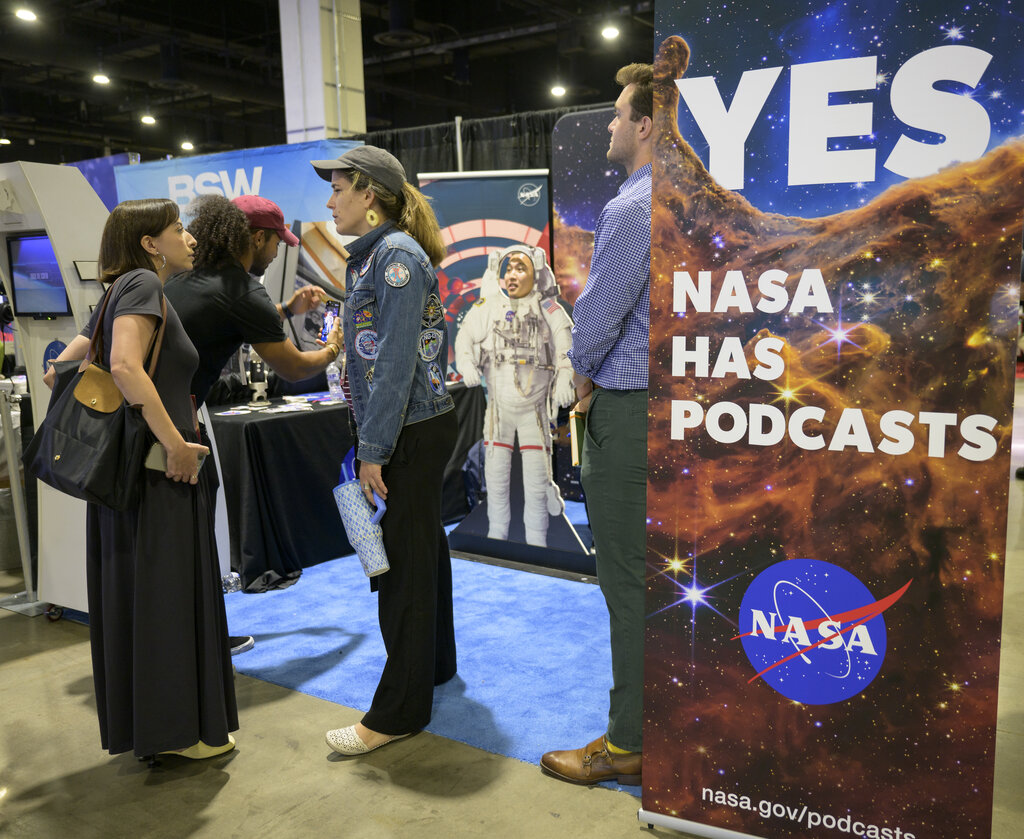
A few trends are shaping the future of podcasting. Video podcasts are becoming increasingly popular, with many creators filming their recording sessions for platforms like YouTube and Spotify. Repurposing content is also key. Short, engaging clips from episodes are often shared on social media to attract new listeners.
Despite the crowded market, there is always room for unique, high-quality shows that connect with a specific audience. The key is to find your voice, know who you're speaking to, and create content that provides real value.
What is the primary characteristic that differentiates a podcast from a live radio broadcast?
A podcast where two friends discuss a different movie each week, sharing their opinions and analysis, best fits which format?
Now that you have the basics down, you're ready to start thinking about the more practical steps of bringing your podcast to life.