Podcast Launchpad for Beginners
Podcasting Basics
What Is a Podcast?
At its heart, a podcast is a series of spoken-word audio episodes, all focused on a particular topic or theme. Think of it like a radio show you can listen to whenever you want, wherever you want. You can subscribe to shows you like, and new episodes will automatically download to your phone or computer.
podcast
noun
A digital audio file made available on the internet for downloading to a computer or mobile device, typically available as a series, new installments of which can be received by subscribers automatically.
The term itself is a mashup of “iPod” and “broadcast,” coined in the early 2000s when digital audio players were just starting to take off. The idea was simple: create audio content that wasn't tied to a traditional radio schedule. This on-demand nature is what makes podcasting so powerful. You're in control of the listening experience.
Formats and Flavors
Podcasts aren't a one-size-fits-all medium. They come in a variety of formats, each offering a different listening experience. The format you choose helps define the show's personality.
| Format | Description |
|---|---|
| Solo / Monologue | A single host shares their expertise, stories, or opinions directly with the listener. |
| Co-hosted | Two or more hosts discuss topics, creating a dynamic and conversational feel. |
| Interview | A host (or hosts) interviews a different guest in each episode. |
| Panel | A group of hosts and/or guests discusses a topic, similar to a roundtable. |
| Narrative | Highly produced, scripted stories, often using sound effects and music to tell a compelling tale. |
Beyond the format, podcasts span countless genres. Just like with books or movies, there's something for everyone. You'll find shows dedicated to true crime, comedy, business, history, science, fiction, and niche hobbies you didn't even know existed.
If you can think of a topic, there's a good chance someone has made a podcast about it.

The Core Ingredients
Every podcast, regardless of its format or genre, is built from a few key components. Understanding these pieces is the first step to creating your own.
First, you need content. This is your topic, your niche, and the value you provide to listeners. What is your show about? Who is it for? A clear focus is essential.
Next is the host or hosts. They are the voice and personality of the show, guiding the listener through the content. A good host is engaging and knowledgeable about their topic.
Of course, a podcast needs audio. While you don't need a professional studio, the sound quality must be clear and easy to listen to. Bad audio is one of the quickest ways to lose an audience.
Every show also needs cover art. This is the small square image that represents your podcast on platforms like Spotify and Apple Podcasts. It's the first impression you make and should be eye-catching and relevant.
Finally, you need a way to get your show to your listeners. This is done through a podcast hosting service, which stores your audio files and distributes them to all the major directories.
To make your podcast available, you need to use a platform, such as Captivate.fm, Acast, Anchor (owned by Spotify), Libsyn, Audioboom or Buzzsprout.
Before You Press Record
Jumping into podcasting without a plan can be overwhelming. Before you even think about microphones or editing software, take a moment to consider a few foundational questions.
- What's your 'why'? Are you looking to share a passion, build a community, grow a business, or simply have fun? Your core motivation will shape your content and keep you going.
- Who is your audience? Get specific. Are you talking to college students, new parents, expert software developers? Knowing your target listener helps you tailor your tone, topics, and language.
- What's your unique angle? There are millions of podcasts. What makes yours different? It could be your unique perspective, your access to special guests, or the specific niche you focus on.
- How often will you publish? Consistency is key. Whether you decide on a daily, weekly, or monthly schedule, stick to it. It sets expectations and helps build a loyal audience.
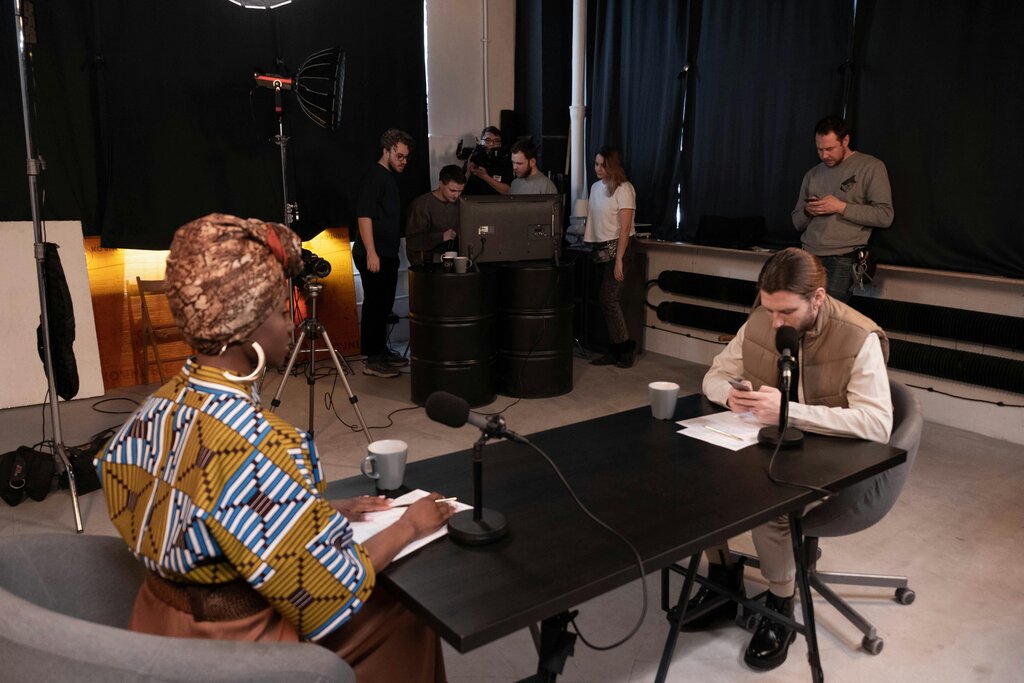
Thinking through these elements will give you a solid foundation and a clear direction for your show.
Ready to test your knowledge?
The term 'podcast' is a portmanteau, combining which two words?
According to the text, which of the following is NOT considered an essential component for every podcast?
Now you have a grasp of what a podcast is, the different forms it can take, and what to consider before starting one. This foundation is the launchpad for your own audio adventure.