Podcast Launchpad for Beginners
Understanding Podcasting
What Is a Podcast?
At its heart, a podcast is a digital audio file you can download or stream. Think of it as radio on demand. Instead of tuning in at a specific time, you listen whenever and wherever you want—on a walk, during your commute, or while doing chores.
The idea started in the early 2000s, growing out of “audioblogging.” In 2004, former MTV VJ Adam Curry and software developer Dave Winer created a program that could automatically download new audio files to a device. Journalist Ben Hammersley combined the words “iPod” and “broadcast” to coin the term “podcast,” and the name stuck.
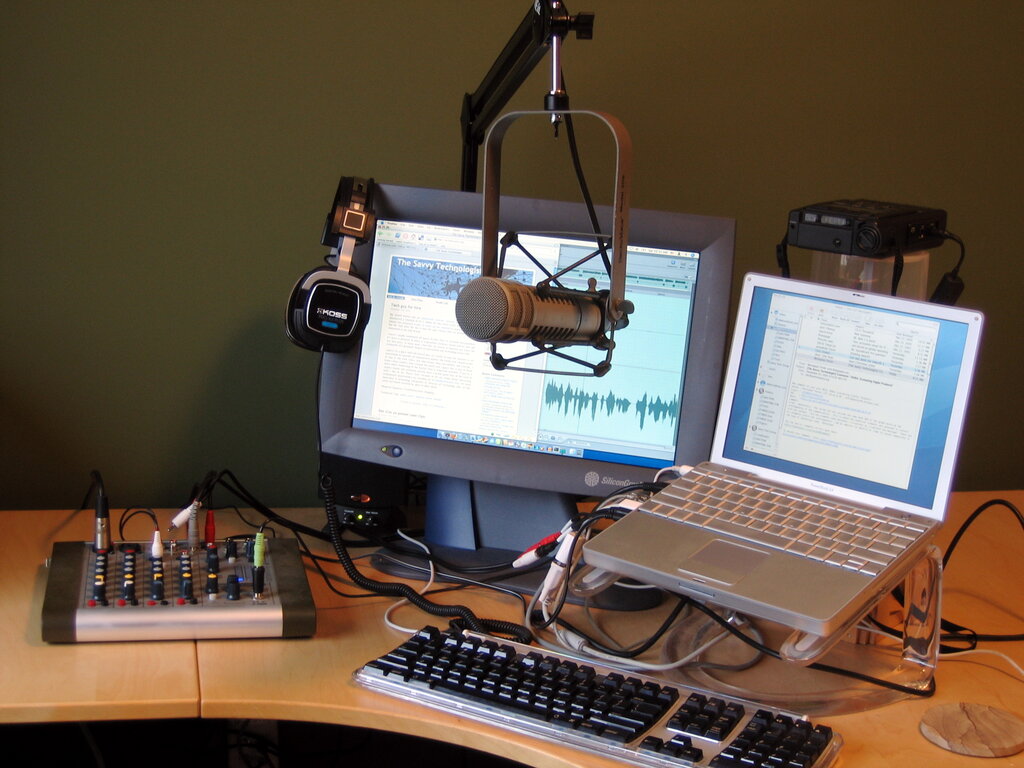
Unlike traditional radio, which is broadcast live to a wide audience, podcasts are niche. There are shows about everything from ancient history and astrophysics to beekeeping and bread making. This specificity allows creators to connect directly with a dedicated audience that shares their passion.
Finding Your Format
Podcasts aren't one-size-fits-all. They come in several different formats, each with its own feel and structure. The format you choose shapes how you tell your story and connect with listeners.
| Format | Description | Best For... |
|---|---|---|
| Solo Host | One person speaking directly to the audience. | Experts, storytellers, and comedians. |
| Interview | A host interviews one or more guests per episode. | Exploring different perspectives and stories. |
| Co-hosted | Two or more hosts share a conversation. | Dynamic, conversational shows with good chemistry. |
| Panel Show | A single host moderates a discussion with several guests. | Debates and exploring topics from multiple angles. |
| Narrative | Highly produced, scripted stories, like a documentary. | Investigative journalism and fictional storytelling. |
Some shows stick to one format, while others mix and match. For example, an interview show might include a solo segment where the host reflects on the conversation. There are no hard rules, so you can choose the structure that best suits your topic and style.
Popular Genres
Just like books or movies, podcasts span countless genres. Some of the most popular categories include:
- True Crime: Investigating real-life crimes and mysteries.
- Comedy: From improv shows to hilarious conversations between friends.
- News & Politics: Daily briefings and deep dives into current events.
- Self-Improvement: Offering advice on health, productivity, and personal growth.
- Storytelling (Fiction & Non-Fiction): Serialized dramas or compelling real-life narratives.
- Business & Finance: Interviews with entrepreneurs and tips on managing money.
Many of the most successful podcasts blend genres. A show might be a comedy podcast that also delves into history, or a business podcast that uses a storytelling format. Finding a unique intersection of genres can help your show stand out.
Who Are You Talking To?
Before you can decide what to talk about, you need to know who you're talking to. This is your target audience. Think of it like writing a letter. You wouldn't use the same tone and language for your best friend as you would for a formal business proposal.
Defining your audience helps you make decisions about everything from your show's content and tone to its length and format. Are you trying to reach busy professionals who need short, daily updates? Or hobbyists who want to dive deep into a topic for an hour each week?
If you try to create a show for everyone, you'll likely end up creating a show for no one.
Get specific. Instead of a general "history podcast," consider a "podcast about the unsung women of World War II." Instead of a broad "parenting show," think about a "show for new parents navigating the first six months with twins." A focused audience is an engaged audience.
Benefits and Challenges
Podcasting offers a powerful way to share your voice and connect with others, but it's important to understand both the upsides and the potential hurdles.
One of the biggest benefits is the intimate connection you can build with listeners. Since most people listen with headphones, it can feel like you're speaking directly to them. This creates a strong sense of loyalty and community. Podcasts are also a relatively accessible medium. You don't need a fancy studio to get started; a good microphone and quiet room are often enough.

However, podcasting requires consistency and effort. Releasing episodes on a regular schedule is key to growing an audience, and that takes planning and dedication. The podcasting world is also crowded. With millions of shows available, discovering new listeners can be a significant challenge. It takes time to find your footing and build momentum.
Understanding these basics sets the foundation for creating a show that resonates. It all starts with a clear idea, a specific audience, and a passion for your topic.