Podcast Launchpad
Podcasting Basics
What Is a Podcast?
At its core, a podcast is a series of digital audio episodes focused on a particular topic or theme. Think of it like a radio show, but you can listen whenever and wherever you want. Listeners can subscribe to a show and have new episodes automatically downloaded to their phone, computer, or other device.
The term "podcast" is a blend of "iPod" and "broadcast." It was coined back in the early 2000s when MP3 players were becoming popular, but the format has since exploded into a major medium for entertainment, news, and education.
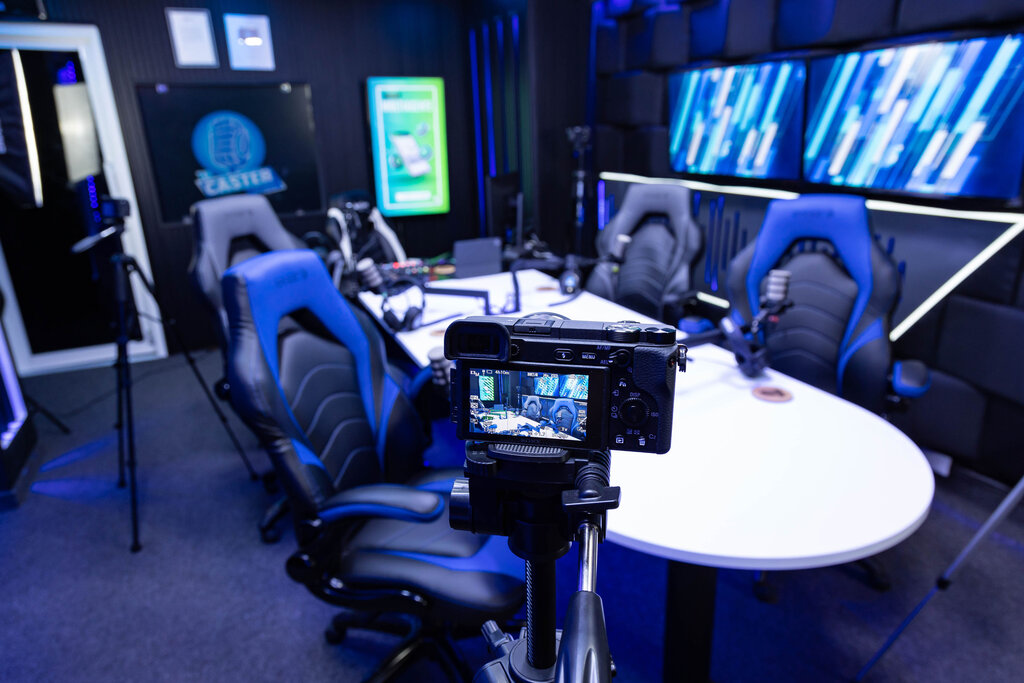
Finding Your Format
Podcasts aren't one-size-fits-all. The format you choose will shape the entire feel of your show. While you can always mix and match, most podcasts fall into a few common categories.
| Format | Description | Best For... |
|---|---|---|
| Interview | A host (or co-hosts) interviews a different guest each episode. | Exploring diverse perspectives and leveraging the guest's audience. |
| Solo / Monologue | A single host speaks directly to the audience, sharing expertise or commentary. | Experts, storytellers, or commentators who can carry a show alone. |
| Narrative | A heavily produced, scripted show that tells a single story over an episode or season. | Deep-dive investigative journalism, historical accounts, or fictional audio dramas. |
| Co-hosted | Two or more hosts discuss topics, sharing chemistry and banter. | Creating a dynamic, conversational feel that listeners feel a part of. |
The interview format is one of the most popular because it introduces new voices and ideas with each episode. A narrative podcast, on the other hand, requires more production work, like sound design and scripting, but can create a powerful, immersive experience.

The Core Components
Regardless of format, every successful podcast is built on three pillars: great content, good audio quality, and a consistent schedule.
Great content is your foundation. Your topic must be interesting to you and valuable to your listeners. Whether you're teaching, entertaining, or inspiring, your content is the reason people tune in.
Audio quality is a close second. Listeners are forgiving of many things, but bad audio isn't one of them. If your show is full of echo, background noise, or quiet voices, people will simply turn it off. You don't need a professional studio, but a decent microphone and a quiet recording space are essential.
Finally, there's consistency. Releasing episodes on a predictable schedule—whether it's daily, weekly, or bi-weekly—builds anticipation and turns casual listeners into loyal subscribers. It creates a habit. Your audience knows when to expect new content from you, and they'll look forward to it.
Who Are You Talking To?
Before you hit record, you need to know who you're making the podcast for. You can't appeal to everyone, so trying to do so will likely mean you appeal to no one. Defining your target audience helps you tailor your content, tone, and marketing to the right people.
Think about your ideal listener. How old are they? What are their interests? What problems are they trying to solve? Creating a
listener persona
noun
A fictional character representing your ideal listener, created to help you make decisions about your podcast's content and style.
Once you have this persona in mind, every decision becomes easier. You're no longer creating for a faceless crowd; you're creating for a specific person.
With your audience defined, the last step is to set a clear purpose. What is the goal of your podcast? Is it to educate listeners on a complex topic? To make them laugh during their commute? To build a community around a shared hobby? Your purpose is your North Star. It guides your episode topics and keeps your show focused and compelling.
Ready to check your understanding? Let's see what you've learned.
The term "podcast" is a portmanteau, a word blending the sounds and combining the meanings of two others. Which two words were combined to create it?
According to the provided text, which of the following are the three essential pillars for building a successful podcast?
Understanding these foundational elements—format, core components, audience, and purpose—sets you up for success before you even buy a microphone.