Podcast Launchpad
Podcasting Basics
What Is a Podcast?
A podcast is essentially a radio show for the internet age. It's a digital audio file, usually episodic, that you can download or stream on demand. You can listen on your phone while commuting, at your computer while working, or on a smart speaker while cooking. This flexibility is what makes podcasting so powerful.
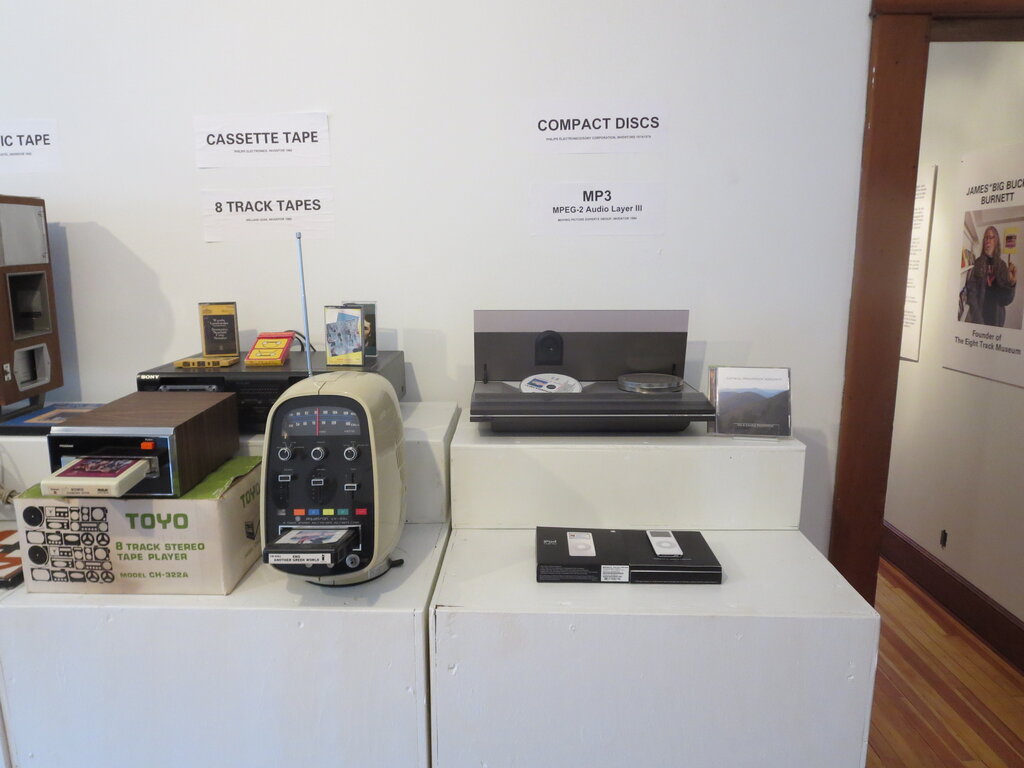
The term itself, coined in 2004, is a blend of "iPod" and "broadcasting." Early on, podcasting was a niche hobby for tech enthusiasts. But with the rise of smartphones and better internet access, it exploded into a mainstream medium. Anyone with a microphone and an idea can create a show, leading to a vast and diverse world of content on nearly any topic imaginable.
Finding Your Format
There’s no single way to structure a podcast. The format you choose depends on your topic, your personality, and the story you want to tell. Some shows are casual conversations, while others are tightly scripted narratives. Let's look at a few popular styles.
| Format | Description | Best For... |
|---|---|---|
| Solo Host | A single person speaks directly to the audience. | Expert commentary, personal storytelling, scripted content. |
| Interview | A host (or hosts) questions one or more guests. | Gaining insights from experts, hearing different perspectives. |
| Co-hosted | Two or more hosts share a conversation or banter. | Dynamic discussions, comedy, relationship-based shows. |
| Panel Show | A group of people discusses a topic, guided by a moderator. | Debates, news roundups, exploring multifaceted issues. |
| Narrative | A highly produced, documentary-style show with a story arc. | True crime, historical deep dives, investigative journalism. |
Choosing the right format is a creative decision. A solo show gives you complete control, but a co-hosted show can create a more engaging dynamic. Don't be afraid to experiment or even blend formats to find what works best for you.

The Anatomy of an Episode
Most podcast episodes, regardless of format, share a similar structure. Think of it as a simple three-act play for your ears.
The goal is to create a predictable and enjoyable listening experience. Listeners appreciate knowing what to expect from your show's structure.
A typical episode breaks down like this:
-
The Intro: This is your first impression. It usually includes theme music, a brief show title, and a "hook"—a compelling question, a surprising fact, or a quick summary of what's to come. It should be short and grab the listener's attention immediately.
-
The Main Content: This is the core of your episode. It could be your interview, your solo monologue, or your panel discussion. This segment should deliver on the promise you made in your intro.
-
The Outro: Here's where you wrap things up. It's common to summarize the key takeaways, thank your guests and listeners, and include a call to action. A call to action might be asking listeners to subscribe, leave a review, or visit your website. This is also where your closing theme music plays.
Before You Hit Record
Before you even think about microphones or editing software, you need a clear vision. A successful podcast starts with a solid foundation. Asking yourself a few key questions can save you a lot of time and effort down the road.
Every successful podcast starts with a clear understanding of its purpose and objectives.
First, what is your podcast about? "Anything and everything" is not a topic. Get specific. Instead of a podcast about "history," consider a podcast about "forgotten battles of the American Civil War." A well-defined niche helps you stand out and attract a dedicated audience.
Next, who is your podcast for? Picture your ideal listener. What are their interests? What do they want to learn or be entertained by? Creating content with a specific person in mind makes your show more focused and relatable.
Finally, what is your goal? Are you trying to build a community, share your expertise, or just have fun? Knowing your "why" will guide your content decisions and keep you motivated when things get tough.
The term 'podcast', coined in 2004, is a portmanteau of which two words?
A podcaster who wants to establish their expertise on a topic but maintain complete creative control would be best suited for which format?
With these foundations in place, you're ready to start thinking about the more technical aspects of bringing your podcast to life.