Podcast Launchpad
Podcasting Basics
What is a Podcast?
At its heart, a podcast is a digital audio file, usually part of a series, that you can download or stream from the internet. Think of it like a radio show that you can listen to whenever and wherever you want. Instead of tuning in at a specific time, you can subscribe to a show and have new episodes delivered automatically to your phone or computer.
The topics are endless. You can find podcasts about true crime, ancient history, comedy, technology, or even niche hobbies like competitive gardening. This wide range is what makes podcasting so popular. It’s a medium where anyone with a microphone and a passion can share their voice with the world.

The podcasting landscape has grown from a small community of creators into a massive industry. Major platforms like Spotify and Apple Podcasts host millions of shows, making it easy for listeners to discover new content. While this means more competition, it also signifies a huge and engaged audience ready to find their next favorite show.
Finding Your Format
Not all podcasts sound the same. The format you choose shapes the entire listening experience and should align with your topic and personality. There's no right or wrong answer, but some formats are more common than others.
| Format | Description | Best For |
|---|---|---|
| Interview | A host talks with a different guest each episode. | Exploring diverse perspectives and expert opinions. |
| Solo Host | A single host speaks directly to the audience. | Deep dives on a specific topic or personal commentary. |
| Panel Show | A group of co-hosts and/or guests discuss topics. | Lively debates, news roundups, and comedy shows. |
| Narrative | A heavily produced, scripted story unfolds over an episode or season. | True crime, historical storytelling, and investigative journalism. |
An interview show lets you bring in outside experts, while a solo show gives you complete creative control. A panel format creates a dynamic conversation, but requires good chemistry between hosts. Narrative storytelling often involves the most editing work, but can result in a deeply immersive experience for the listener.
Choose a format that you can produce consistently. A complex narrative show might be exciting, but a simpler interview format might be more sustainable week after week.
The Key Components
Regardless of the format, every successful podcast is built on a few core elements. Getting these right is fundamental to creating a show that people want to listen to.
1. A Clear Premise: What is your podcast about? And who is it for? Your premise is the promise you make to your listeners. A show about "interesting things" is too broad. A show about "the history of forgotten inventions" is specific and compelling.
2. Consistent Structure: Listeners appreciate predictability. Most podcasts follow a simple structure: an introduction with music, the main content, and an outro that wraps things up. This framework helps your show feel professional and easy to follow.
3. Quality Audio: This is non-negotiable. If your audio is hard to hear, full of echoes, or has distracting background noise, people will stop listening. You don't need a professional studio, but a decent microphone and quiet recording space are essential.
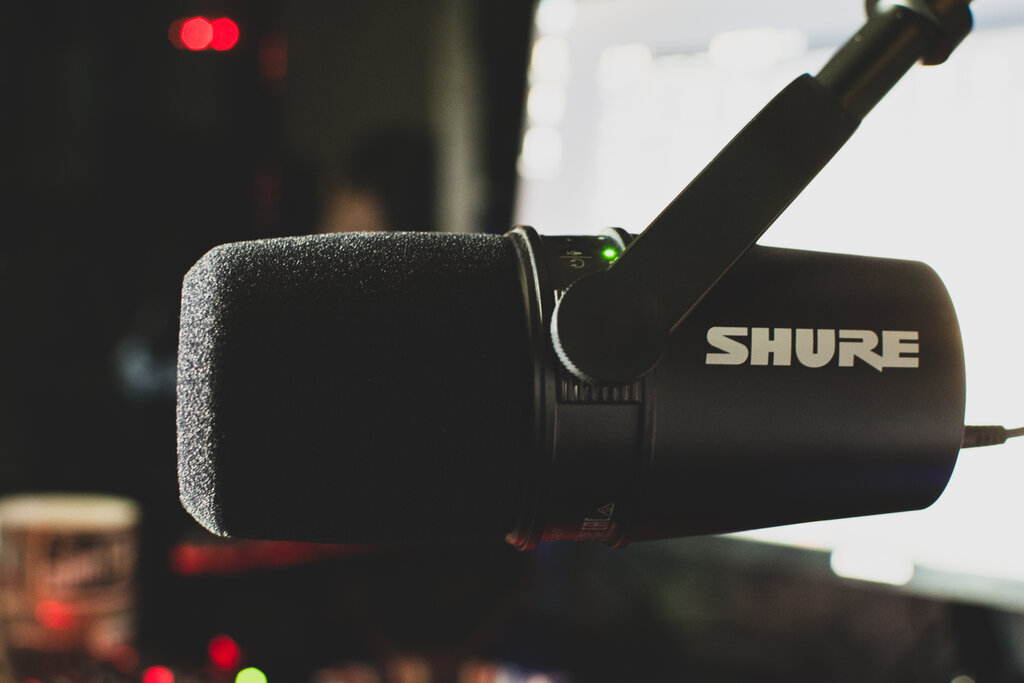
4. Compelling Content: The heart of your podcast is what you say. Whether you're telling a story, interviewing a guest, or teaching a skill, your content must be engaging, informative, or entertaining. Plan your episodes to ensure you're always providing value to your audience.
At its core, a quality podcast needs just one thing: clear audio.
Now that you have a handle on the basics, let's test your knowledge.
What is the most critical technical element for retaining podcast listeners?
A podcast premise like 'the secret history of everyday objects' is strong because it is ____.
With these fundamentals in mind, you have a solid foundation for thinking about the kind of podcast you might want to create.