Podcast Launchpad
Understanding Podcasting Basics
What Is a Podcast?
A podcast is essentially a radio show for the internet age. Instead of tuning in at a specific time, you can download or stream episodes whenever you like. Think of it as on-demand audio content that you can listen to on your phone, computer, or smart speaker while driving, working out, or just relaxing at home.
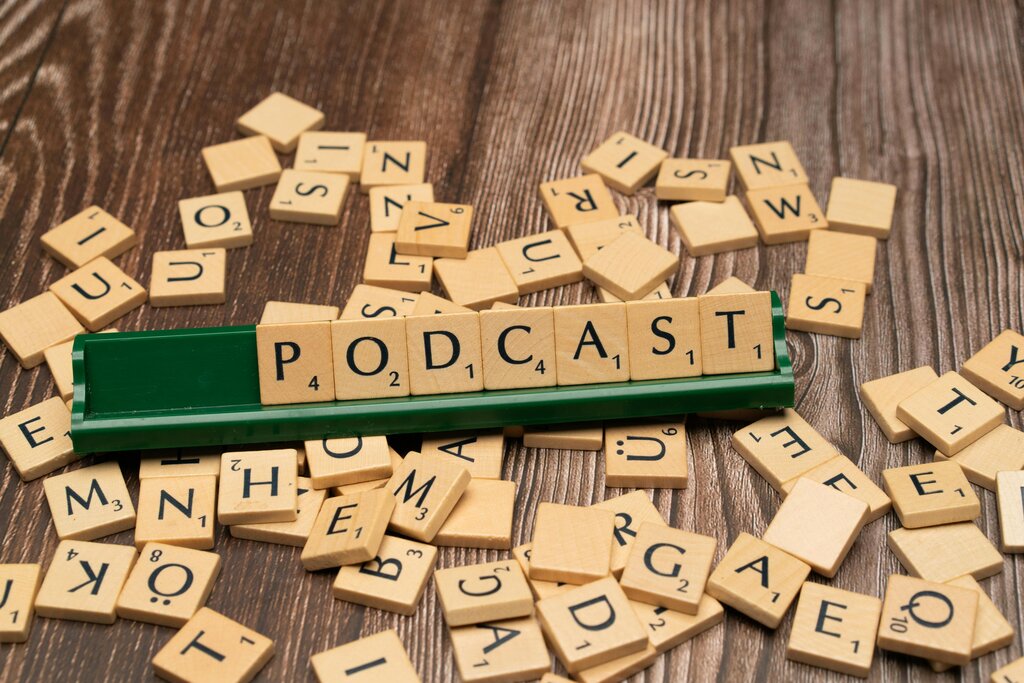
The concept emerged in the early 2000s. The technology that made it possible was the RSS feed, which stands for Really Simple Syndication. This allowed audio files to be automatically sent to subscribers' devices. Former MTV VJ Adam Curry and software developer Dave Winer were key figures in popularizing this method, creating a way for independent creators to distribute their own audio shows without needing a radio station.
Finding Your Format
Podcasts aren't a one-size-fits-all medium. They come in several different formats, and the one you choose will shape your show's style and feel. Understanding these common structures is the first step toward finding your own voice.
| Format | Description | Best For |
|---|---|---|
| Solo Host | One person speaks directly to the audience. | Expert commentary, storytelling, or personal journaling. |
| Interview | A host (or hosts) interviews a new guest each episode. | Exploring different perspectives and learning from experts. |
| Co-hosted | Two or more hosts discuss topics together. | Dynamic conversations, banter, and debates. |
| Narrative | Highly produced, scripted stories, like a documentary. | Deep-dives, investigative journalism, and fiction. |
| Panel Show | A group discusses a topic, often with a moderator. | Lively debates and covering a topic from multiple angles. |
There are also hybrid formats that mix these elements. For example, a narrative podcast might include clips from interviews, and a solo host might bring on a co-host for a special series. The structure is flexible, so you can adapt it to fit your content.
Genres for Every Interest
Just like books or movies, podcasts cover nearly every topic imaginable. This wide range of genres is a huge part of their appeal. There truly is a podcast for everyone.

Some of the most popular genres include:
- True Crime: Investigative series that explore real criminal cases.
- Comedy: Shows designed to make you laugh, from improv to witty conversations.
- News & Politics: Daily briefings and deep dives into current events.
- Educational: Content focused on teaching a new skill or exploring a subject like history, science, or language.
- Interviews & Conversations: Long-form discussions with interesting people from all walks of life.
- Fiction: Scripted audio dramas that tell stories, similar to old-time radio plays.
The Makings of a Great Podcast
Beyond a good idea and a microphone, a few key components separate a decent podcast from a great one. These aren't about expensive gear, but about the thought and care put into the production.
Every successful podcast starts with a clear understanding of its purpose and objectives.
First is compelling content. Is your topic interesting? Do you have a unique perspective or a special guest? The core idea must be strong enough to make someone want to listen. This is the foundation everything else is built on.
Next comes clear audio. Listeners are quick to turn off a show that's full of static, background noise, or uneven volume. You don't need a professional studio, but aiming for clean, understandable sound is crucial.
Finally, consistency is key. This means releasing episodes on a predictable schedule, whether it's daily, weekly, or monthly. It helps build a loyal audience that knows when to expect new content from you. A consistent format and tone also help listeners know what they're getting each time they press play.
Now that you understand the basics, you're ready to think about the next steps in your podcasting journey.