Podcast Creation Fundamentals
Understanding Podcasts
What is a Podcast?
At its core, a podcast is like a radio show on demand. It's a digital audio file, usually episodic, that you can download or stream from the internet. Unlike traditional radio, you get to choose what you listen to and when you listen to it.
The concept started in the early 2000s, born from the intersection of “audioblogging,” RSS (Really Simple Syndication) feeds, and the rise of portable MP3 players, most notably Apple's iPod. The name itself is a mashup of "iPod" and "broadcast."
Early on, podcasting was a niche hobby for tech enthusiasts. It was a way to share audio content without needing a radio tower. Listeners would subscribe to a show's RSS feed, and new episodes would automatically download to their device. This simple idea completely changed how people consume audio content, moving it from a live, scheduled format to an on-demand, personal experience.
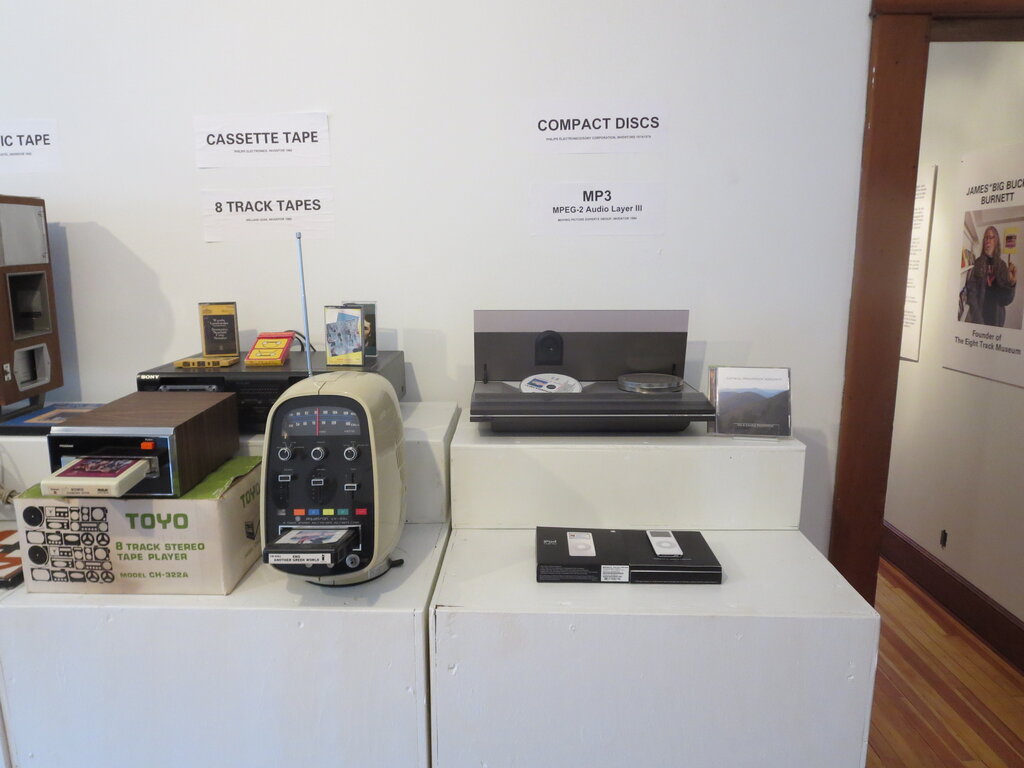
Over time, podcasts have exploded into the mainstream. They’re no longer just for hobbyists. Major media companies, celebrities, and experts in every field imaginable now have podcasts. The technology has become simpler, but the core idea remains the same: a direct and personal way to share stories and ideas with the world.
A Format for Every Story
Podcasts aren't a one-size-fits-all medium. The format you choose shapes the listener's experience and helps you tell your story most effectively. While creators often blend styles, most shows fall into a few common categories.
| Format | Description | Great For... |
|---|---|---|
| Interview | A host (or hosts) talks with a different guest each episode. | Exploring diverse perspectives and expert opinions. |
| Solo/Monologue | A single host speaks directly to the audience on a specific topic. | Sharing deep knowledge, personal stories, or commentary. |
| Narrative | Highly produced and scripted, often telling a single story over an episode or a full season. | Immersive storytelling, investigative journalism, and historical deep dives. |
| Panel Show | A group of consistent hosts discuss news or topics in their niche. | Lively discussions, humor, and covering current events. |
| Repurposed Content | Audio taken from other sources, such as live events, video recordings, or webinars. | Extending the life of existing content to a new audience. |
Think of these formats as building blocks. A narrative podcast might include interview clips, and a solo host might bring on a guest for a special episode. The flexibility is one of the medium's greatest strengths.
Why Bother with Podcasting?
With so much content out there, what makes podcasting special? The benefits are unique to the audio format.
The primary advantage is the deep connection it builds with an audience. Listening to a podcast is an intimate experience. A host's voice is literally in your ear, creating a bond that's hard to replicate with text or video. Listeners often feel like they personally know the hosts they follow.

Podcasting also offers incredible content flexibility. An episode can be five minutes or five hours long. It can be a daily news briefing, a weekly conversation, or a monthly deep dive into a complex subject. There are no rules governing length, style, or topic, which gives creators total freedom.
Finally, podcasts are incredibly accessible for the listener. People can tune in while commuting, exercising, cooking, or cleaning. This allows your content to become a seamless part of your audience's daily routine, filling moments when they can't be looking at a screen.
Podcasts let you share it in a way that feels human, thoughtful, and lasting.
Now that you understand the what and why, let's test your knowledge.
At its core, what is a podcast?
The term "podcast" is a portmanteau, or a blend of two words. Which two words were combined to create it?
This foundation gives you a starting point for thinking about the kind of show you might want to create.