Podcast Creation Fundamentals
Podcast Basics
What Is a Podcast?
At its heart, a podcast is a digital audio file, usually episodic, that you can download or stream. Think of it like a radio show you can listen to anytime, anywhere. The name itself is a blend of two words: "iPod" and "broadcast."
This name hints at its origins in the early 2000s. When portable MP3 players like the iPod became popular, a new way to share audio emerged. Early creators, often tech enthusiasts, could record their own shows and distribute them online. Listeners would download these files, sync them to their devices, and listen on the go.
It was a revolutionary shift. For the first time, anyone with a microphone and an internet connection could create their own broadcast. You no longer needed a radio tower to have a voice.
podcast
noun
An episodic series of spoken-word digital audio files that a user can download to a personal device for easy listening.
What started as a niche hobby has exploded into a global medium. Today, podcasts are a major part of the media landscape, produced by everyone from independent creators in their bedrooms to major news organizations and entertainment companies.

Finding Your Format
Just like television shows, podcasts come in different formats. The format is the structure of your show—how you present your information and tell your story. Choosing the right format depends on your topic, your personality, and the experience you want to create for your listeners.
Your format is the blueprint for your episodes. A consistent structure helps listeners know what to expect each time they tune in.
Some formats are perfect for a single host who wants to share their expertise, while others thrive on the dynamic conversation between multiple people. Here are a few of the most common formats:
| Format | Description |
|---|---|
| Solo / Monologue | A single host speaks directly to the audience. Great for storytelling, expert commentary, or personal journals. |
| Interview | A host (or hosts) interviews a different guest each episode. Perfect for exploring various perspectives on a topic. |
| Co-hosted | Two or more hosts share the microphone. The chemistry and conversation between hosts is the main attraction. |
| Narrative | A heavily produced, story-driven format. Often uses interviews, sound effects, and narration to tell a single, compelling story over an episode or season. |
| Panel Show | A group of hosts and/or guests discuss a topic. Think of a roundtable discussion, often used for news, comedy, or hobby-focused shows. |
Picking a Genre
Once you have an idea of your format, you need to think about your genre. A genre is simply the category your podcast falls into. It helps new listeners discover your show when they're browsing for something to listen to.
Think about the podcasts you already enjoy. Are they comedy shows that make you laugh? In-depth news reports that keep you informed? Or true crime stories that keep you on the edge of your seat? These are all genres.
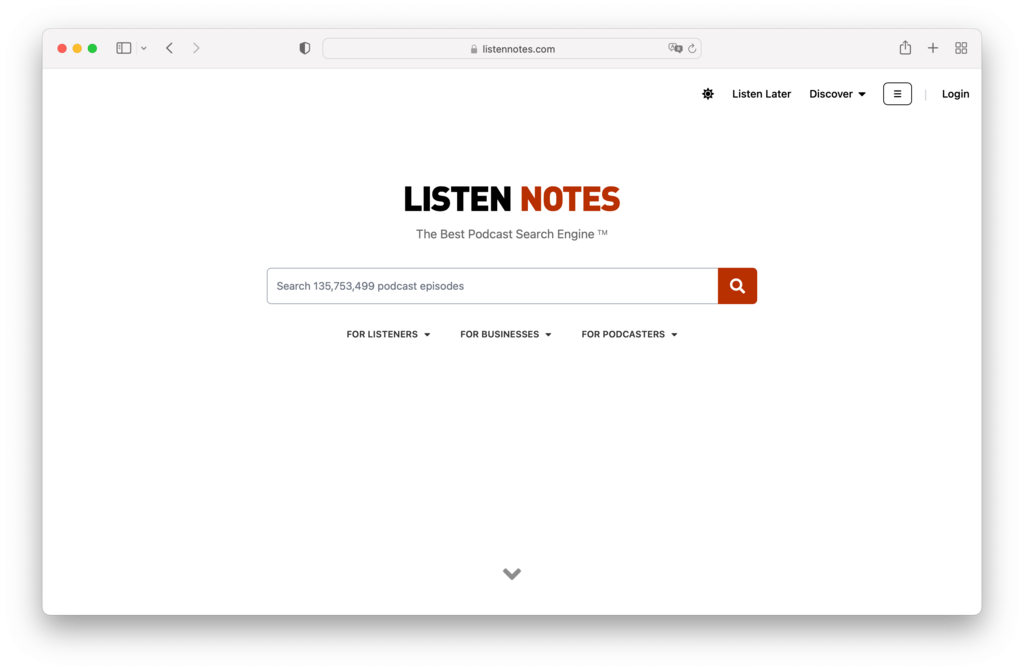
Popular genres include:
- True Crime: Investigates real criminal cases.
- Comedy: Can be scripted, improvisational, or conversational.
- News & Politics: Daily briefings, deep dives, and political commentary.
- Educational: Teaches listeners about a specific subject, from history to science.
- Business: Covers topics like marketing, entrepreneurship, and finance.
- Arts & Culture: Explores movies, books, music, and more.
Your chosen genre will shape your content and attract a specific type of listener. The most important thing is to pick a subject you're passionate about. That enthusiasm will come through in your voice and keep your audience engaged.
If you can speak well, have a solid grip on a topic, and know how to connect with people, you’ve already got what it takes to start a podcast.
Now, let's review some of the key terms we've covered.
Ready to test your knowledge?
The term "podcast" is a portmanteau, or a blend of two words. Which two words were combined to create it?
A podcast's format refers to its structure, while its genre refers to its subject category. Which of the following is an example of a podcast format?
Understanding these basic building blocks—the definition, format, and genre—is the first step toward creating a show that finds its audience.