Podcast Creation from Slides
Understanding Podcasting
What Is a Podcast?
A podcast is essentially an on-demand radio show. It’s a series of spoken word audio episodes, all focused on a particular topic or theme, that you can download or stream whenever you like. Unlike traditional radio, you control the schedule.
Podcasting began in the early 2000s, born from the idea of delivering audio content automatically to portable players. A technology called an RSS feed (Really Simple Syndication) made this possible. Listeners could "subscribe" to a show, and new episodes would automatically download to their device.
This simple concept was revolutionary. It removed the gatekeepers of traditional media, allowing anyone with a microphone and an idea to create and distribute their own show. This accessibility is what fueled the explosion of podcasts covering every imaginable topic, from astrophysics to beekeeping.
Common Podcast Formats
Podcasts come in many shapes and sizes. The format you choose helps define the show's structure and feel. While you can always mix and match, most podcasts fall into one of a few common categories.
| Format | Description |
|---|---|
| Solo / Monologue | A single host speaks directly to the audience, sharing expertise or opinions. |
| Co-hosted | Two or more hosts discuss topics, creating a conversational dynamic. |
| Interview | A host (or hosts) interviews a different guest each episode. |
| Panel | A group of hosts and/or guests discuss a topic, like a roundtable. |
| Narrative Storytelling | A heavily produced format that uses narration, sound design, and interviews to tell a single, compelling story, either for one episode or an entire season. |
Choosing a format isn't just about what's popular; it's about what best serves your topic and your personality as a host.
The Keys to an Engaging Show
A successful podcast isn't just about hitting "record." It needs to capture and hold a listener's attention. Several key elements work together to make a show worth listening to.
First is a clear focus. Listeners should know what your show is about and what to expect from each episode. Whether it's a deep dive into historical events or weekly comedy improvisation, a consistent theme builds a loyal audience.
Second, the host's personality is crucial. Authenticity resonates with listeners. You don't need to be a perfect public speaker, but you do need to be genuine. A good host guides the conversation, shows passion for the subject, and connects with the audience on a personal level.
Storytelling is a powerful tool in podcasting.
Finally, good audio quality is non-negotiable. Listeners will quickly abandon a show with distracting background noise, unclear voices, or inconsistent volume levels. Clean, crisp audio makes the listening experience enjoyable and professional.
What You Need to Get Started
The barrier to entry for podcasting is relatively low. You don't need a professional studio to produce high-quality sound. You just need a few key pieces of equipment.
Start with the basics—a quality microphone, audio interface, headphones, and free editing software—and build your kit as your podcast grows.
Here’s a breakdown of the essentials:
- A quality microphone: This is the most important piece of gear. A USB microphone is a great starting point, as it plugs directly into your computer and is easy to use. For a step up, an XLR microphone offers more professional sound but requires an audio interface.
- Headphones: You need headphones to monitor your audio while recording. This helps you catch issues like popping sounds or background noise in real time. Standard over-ear headphones work perfectly.
- Recording & Editing Software: This is often called a Digital Audio Workstation (DAW). Many excellent options are available for free, such as Audacity or GarageBand (for Mac users). This software allows you to record your audio, cut out mistakes, add music, and export the final episode file.
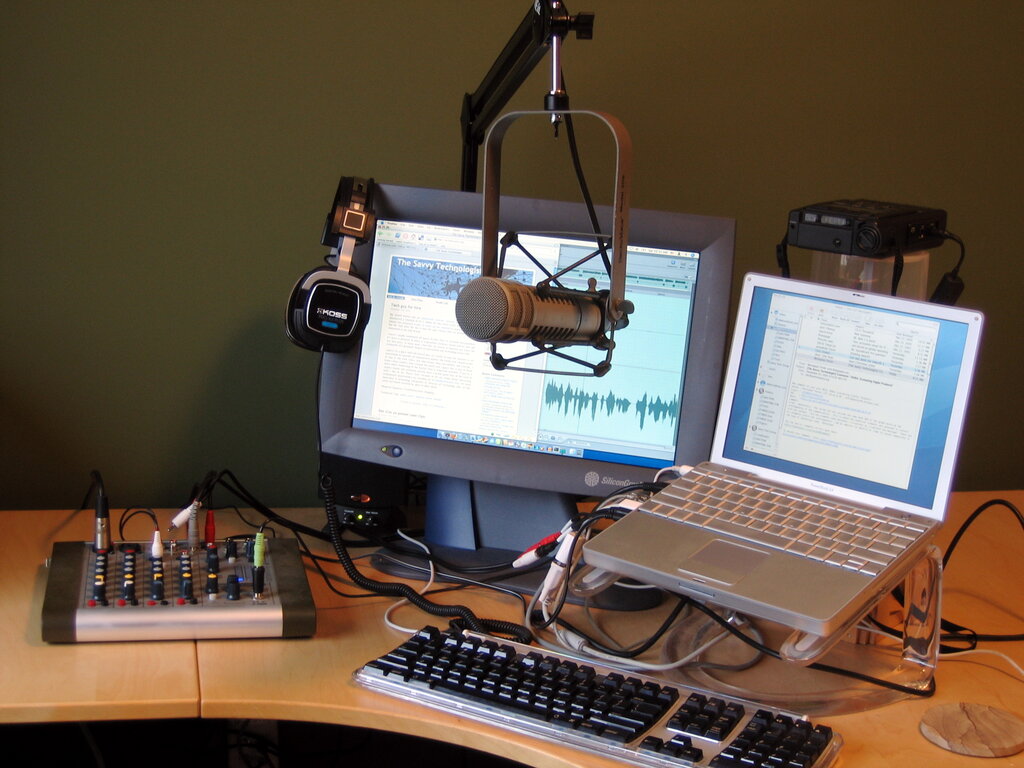
That's it. While you can add mixers, pop filters, and acoustic treatment to improve your sound, a good microphone and a quiet room are all you truly need to record a great-sounding podcast.
Time to check what you've learned.
What technology was fundamental to the early growth of podcasting by allowing automatic delivery of new episodes to subscribers?
According to the provided text, which of the following is NOT listed as a key element for a successful podcast?
Now that you have a grasp of the fundamentals, you can start thinking about how to apply them to your own ideas.