Podcast Creation Essentials
Podcast Basics
What Exactly Is a Podcast?
At its core, a podcast is an audio show, much like a radio talk show, but with a key difference: you can listen to it whenever and wherever you want. Instead of tuning in at a specific time, you subscribe to a show and get new episodes automatically on your phone or computer. The name itself is a mashup of "iPod" and "broadcast," which hints at its origins as portable, on-demand audio.
podcast
noun
A digital audio file made available on the internet for downloading to a computer or mobile device, typically available as a series, new installments of which can be received by subscribers automatically.
Unlike traditional radio, which is broadcast over airwaves, podcasts are distributed over the internet. This simple fact changed everything, allowing anyone with a microphone and an idea to create their own show and reach a global audience.
A Quick History
Podcasting emerged in the early 2000s, born from the intersection of digital audio files (like MP3s) and a technology called RSS (Really Simple Syndication). RSS was originally used by bloggers to automatically send their new text posts to subscribers. When developers figured out how to attach audio files to these RSS feeds, podcasting was born.
This new medium was revolutionary. It bypassed the traditional gatekeepers of radio, giving a voice to niche creators and independent journalists. It was a true democratization of audio content.
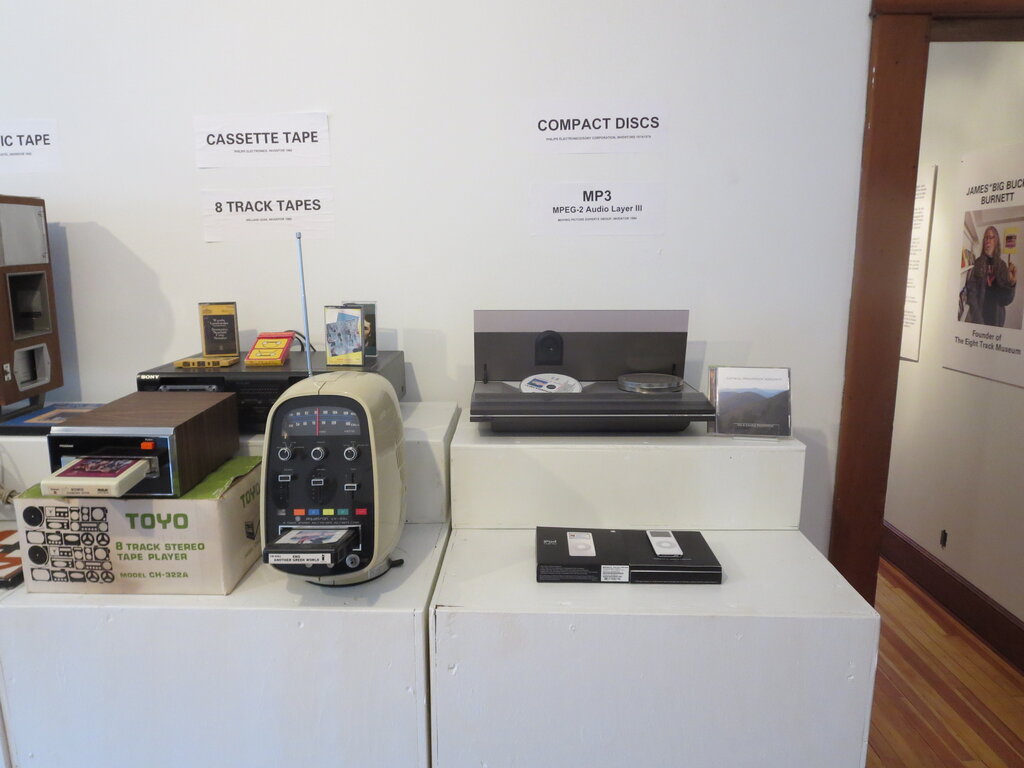
Podcasting was born of a revolutionary spirit, the latest in a long line of technologies developed to democratize communication: blogging, social media, the internet itself.
Finding Your Format
There's no single way to make a podcast. The format you choose will shape the entire feel and workflow of your show. While you can always mix and match, most podcasts fall into a few common categories.
| Format | Description | Best For... |
|---|---|---|
| Interview | A host (or co-hosts) interviews a different guest each episode. | Exploring topics through expert opinions and diverse perspectives. |
| Solo / Monologue | A single host speaks directly to the audience, sharing expertise or commentary. | Deep dives, educational content, and personal storytelling. |
| Panel Discussion | A group of hosts and/or guests discuss a topic, much like a roundtable. | Lively debates, news roundups, and comedy shows. |
| Narrative Storytelling | A heavily produced format that tells a story over an episode or a full season. | True crime, investigative journalism, historical accounts, and audio dramas. |

Think about the shows you enjoy. What format do they use? Understanding these structures is the first step toward figuring out what kind of show you might want to create.
Anatomy of an Episode
While formats vary, most podcast episodes share a similar basic structure. Think of it as a simple three-act play for your listener's ears. This structure helps create a consistent and professional-sounding show that's easy for your audience to follow.
A good structure doesn't limit creativity. It provides a reliable framework that lets your content shine.
First is the Intro. This is where you hook the listener. It typically includes theme music, a brief welcome from the host, and a teaser of what the episode is about.
Next comes the Main Content. This is the longest part of the show and contains the core material, whether it's your interview, your solo commentary, or the next chapter in your story.
Finally, the Outro wraps things up. Here, you might summarize key takeaways, thank your guest, mention your sponsors, or ask listeners to subscribe or leave a review. It ends with your theme music, signaling the episode is over.
Now that you know what a podcast is and how it's structured, let's test your knowledge.
The term "podcast" is a portmanteau, a word blending the sounds and combining the meanings of two others. What two words were combined to create it?
What key technology, originally used for text blogs, was adapted to automatically deliver new audio episodes to podcast subscribers?
Understanding these fundamentals—the what, why, and how of podcasting—is the first step on your journey. You're now ready to start thinking about the most important part: what your show will actually be about.