Pneumatic System Optimization Best Practices
Pneumatic System Fundamentals
Harnessing the Power of Air
Pneumatic systems do work using a surprisingly simple power source: compressed air. Instead of electricity or fluids like oil, these systems use pressurized gas to move parts, clamp objects, and power tools. Think of it as putting air under pressure and then releasing that stored energy in a controlled way to get a job done.
The Core Components
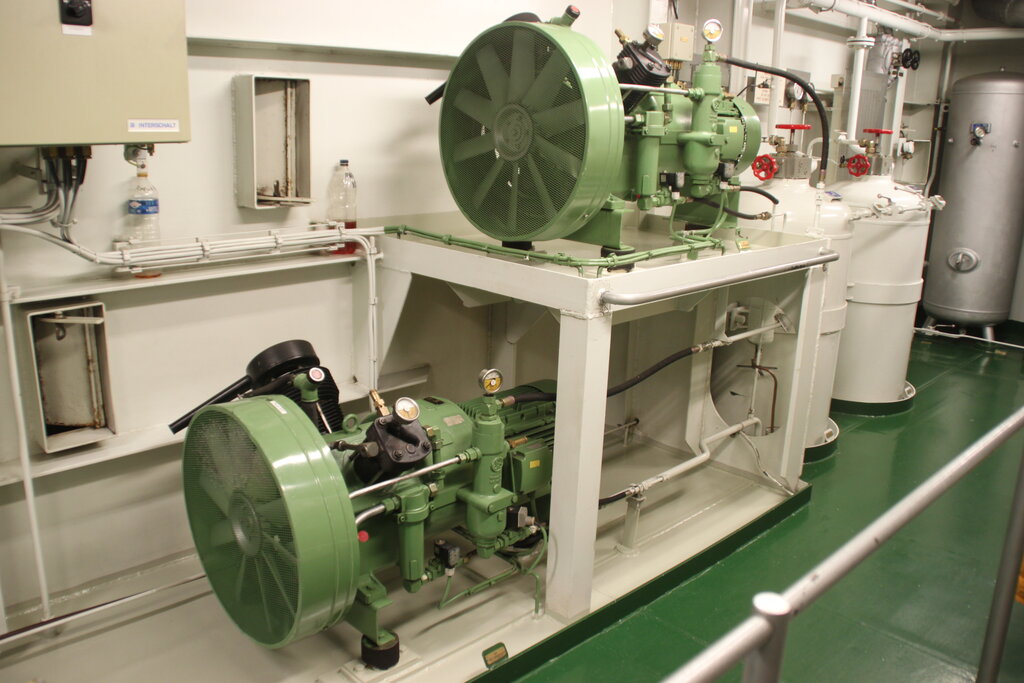
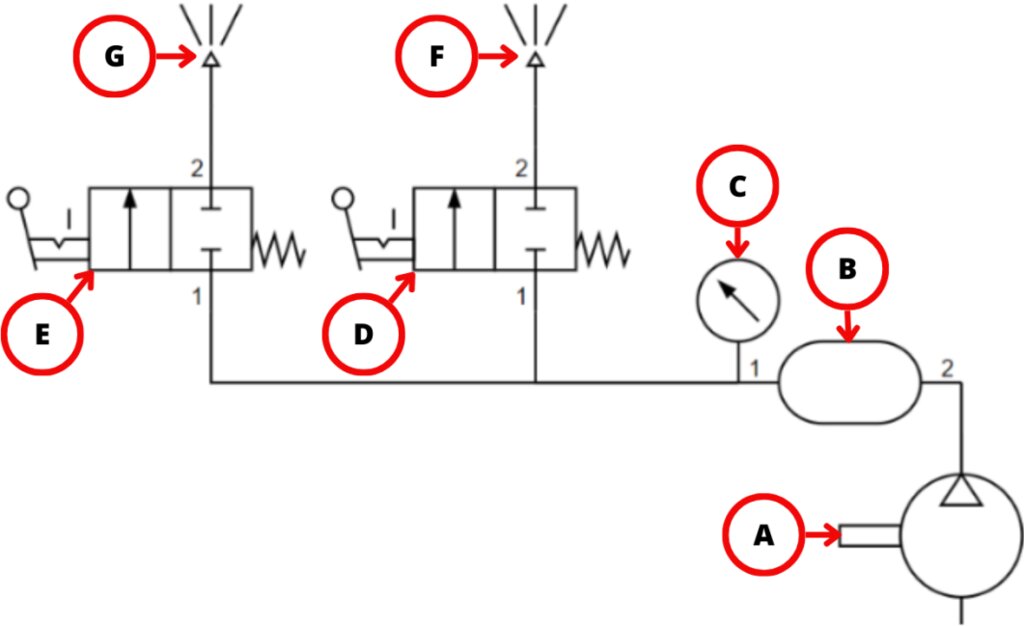
Every pneumatic system starts with a compressor. Its job is to draw in surrounding air and squeeze it into a smaller volume. Just like pumping up a bicycle tire, this process increases the air's pressure, giving it potential energy. The compressed air is then typically stored in a tank, often called a receiver. This tank acts like a battery, ensuring a steady supply of pressurized air is available when the system needs it.
But the air coming from the compressor isn't ready to use just yet. Atmospheric air contains dust, pollen, and water vapor. When compressed, these contaminants become concentrated and can damage sensitive equipment. That's where air treatment devices come in.
Filters remove solid particles, dryers remove moisture, and regulators control the pressure to ensure it's at the correct level for the task. Together, these components make up what's often called a Filter-Regulator-Lubricator (FRL) unit, which cleans and prepares the air before it's distributed.
Once the air is treated, it needs to be directed. This is the job of valves. Valves are like the switches and gates of the system. They open, close, or change direction to control where the compressed air goes and when it gets there. Some are simple on/off switches, while others can precisely manage the flow rate and pressure.
Finally, the compressed air reaches an actuator. This is the component that does the actual work. The most common type is a cylinder with a piston that moves when air is applied to one side. This linear motion can be used to push, pull, clamp, or lift objects. Other actuators can produce rotary motion, similar to an electric motor.
Pneumatics in Action
Because they are simple, reliable, and safe, pneumatic systems are used everywhere in industry. You can find them on assembly lines, where they power robots that lift car doors and handheld tools that tighten bolts. They are used in packaging plants to stamp, fill, and seal containers.
Other common applications include:
- Material Handling: Moving products from one conveyor belt to another.
- Clamping: Holding a piece of wood steady while it's being cut or drilled.
- Door Operation: Opening and closing doors on trains and buses.
- Braking Systems: In large trucks and trains, pneumatic systems provide immense stopping power.
The core principle is always the same: generate, treat, control, and actuate. By mastering these four steps, you understand the foundation of any pneumatic system.
Let's review what you've learned.
What is the primary power source used in pneumatic systems?
What is the main function of a compressor in a pneumatic system?
Now you have a solid grasp of what a pneumatic system is and how its basic parts work together to turn simple air into a powerful tool for industry.