PMP Certification Explained
PMP Certification Overview
What Is PMP Certification?
The Project Management Professional (PMP) certification is a globally recognized credential for project managers. Offered by the Project Management Institute (PMI), it validates that you have the experience, education, and skill to lead and direct projects successfully. Think of it as the gold standard in the field.
Holding a PMP certification tells employers and peers that you understand the global language of project management and can connect with a community of professionals, organizations, and experts worldwide. It’s more than just a certificate; it’s a mark of competence and dedication to the profession.
Why Get PMP Certified?
Earning your PMP certification can significantly impact your career. PMP-certified project managers often report higher salaries than their non-certified counterparts. It also opens doors to more job opportunities, as many organizations specifically seek out PMP holders for senior project management roles.
The process of preparing for the exam itself deepens your understanding of project management principles, from initiating a project to closing it out. You'll gain a firm grasp of best practices and standardized processes that can be applied to any industry.
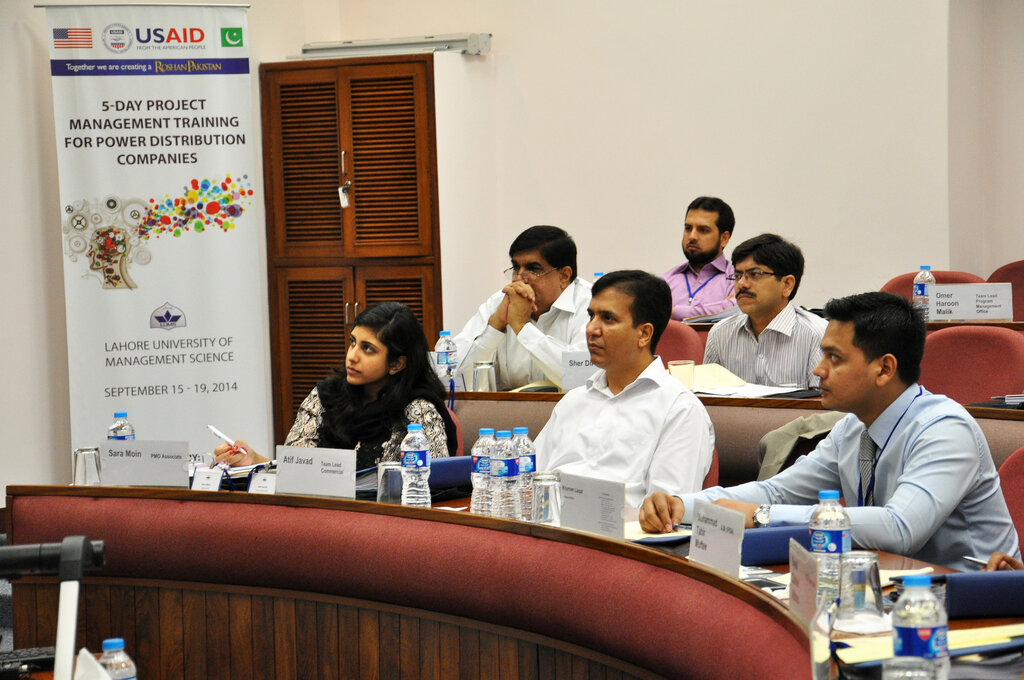
Beyond the personal career benefits, PMP certification helps standardize project management practices within an organization, leading to more consistent project success.
Are You Eligible?
Before you can take the PMP exam, you need to meet specific eligibility requirements set by PMI. These criteria ensure that candidates have a solid foundation of both formal education and hands-on project management experience. The requirements vary depending on your level of education.
| Your Education | Project Management Experience | Project Management Education |
|---|---|---|
| Four-Year Degree | 36 months leading projects | 35 hours of formal training OR CAPM® certification |
| High School Diploma or Associate’s Degree | 60 months leading projects | 35 hours of formal training OR CAPM® certification |
Let’s break these down a bit further.
Project Management Experience: This must be non-overlapping experience leading and directing projects. You'll need to document your work, including the objectives, your role, and the outcomes. The experience must have been accrued within the last eight consecutive years prior to your application submission.
Project Management Education: The 35 hours of education can come from various sources, including courses offered by PMI Authorized Training Partners, university programs, or other professional training organizations. The coursework must cover project management learning objectives. Holding an active Certified Associate in Project Management (CAPM)® certification also fulfills this requirement.
The Application Process
Once you've confirmed you meet the criteria, you can begin the application process. It’s all done online through the PMI website.
First, you'll create an account and start your online application. You have 90 days to complete it once you begin. You’ll need to provide your personal details, educational background, and document your 35 hours of formal training. The most detailed part is documenting your project experience, where you'll summarize your work on each project you list.
After you submit your application, PMI will review it, which typically takes about five business days. A certain percentage of applications are randomly selected for an audit. If you're audited, you'll be asked to provide supporting documentation for your experience and education. It's a good idea to have this ready just in case.
Once your application is approved, you’ll receive an email to submit the exam fee. After payment, you can schedule your exam. You have one year from your application approval date to take the test.
What does the Project Management Professional (PMP) certification primarily validate?
Which of the following is required to be eligible for the PMP exam?