PMP Certification Exam Preparation
Project Management Foundations
Projects vs. Operations
At its core, a project is a temporary effort to create a unique product, service, or result. Think of building a new mobile app, organizing a music festival, or even planning a wedding. Each has a clear start and finish, and the goal is to produce something that didn't exist before.
This is different from day-to-day operations. Operations are the ongoing, repetitive activities that keep a business running. For example, a car company's project might be designing a new electric vehicle. Its operations would be the continuous work on the assembly line, producing thousands of those cars every day.
| Feature | Project | Operation |
|---|---|---|
| Duration | Temporary (has a start and end) | Ongoing |
| Output | Unique product or service | Repetitive output |
| Goal | Achieve a specific, one-time objective | Sustain the business |
Understanding this distinction is the first step in project management. You can't manage a temporary project with the same mindset you'd use for permanent operations.
The Project Manager's Role
If a project is a temporary journey with a specific destination, the project manager is the captain of the ship. Their job is to steer the project from its starting point to a successful conclusion.
This involves a mix of skills. A project manager must be a planner, a leader, and a great communicator. They are responsible for defining the project's goals, creating a roadmap to get there, and assembling a team to do the work. They manage resources like budget and time, and they keep everyone, from the team members to the stakeholders, informed about progress.
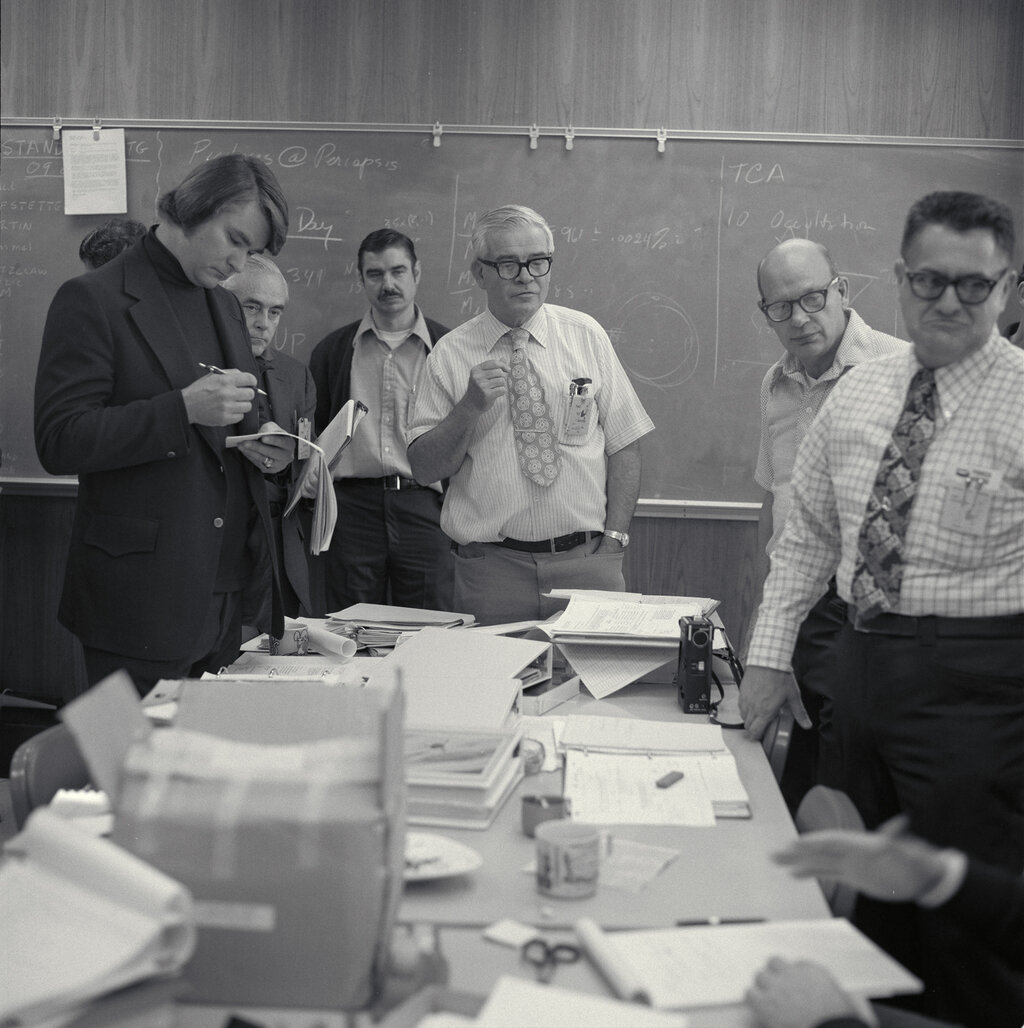
Ultimately, a project manager is the person accountable for a project's success or failure. They don't do all the work themselves, but they make sure all the pieces come together correctly and on time.
The Project Life Cycle
Every project, regardless of its size or complexity, follows a similar path from start to finish. This path is called the project life cycle, which is typically broken down into four main phases.
Here's a quick look at what happens in each phase:
- Initiating: This is where the project is born. The idea is defined, its value is determined, and it gets formal approval to begin.
- Planning: The project manager creates a detailed plan. This includes setting the scope, schedule, and budget, and identifying potential risks.
- Executing: The team gets to work, building the actual product or service. The project manager's job here is to coordinate the team, manage resources, and keep everything on track.
- Closing: The project is complete. The final product is delivered, and the team reflects on what went well and what could be improved for next time.
Standards and Certifications
To help ensure projects are managed consistently and effectively, organizations have developed standards and best practices. The most well-known of these is the Project Management Institute (PMI), a global organization that provides resources and sets standards for the profession.
PMI offers several certifications, with the Project Management Professional (PMP) being the most recognized. Earning a PMP certification demonstrates that a person has a solid understanding of project management principles and the experience to lead projects successfully. It's a common credential for professional project managers.
While we've outlined four key phases, PMI expands this into five process groups, adding 'Monitoring and Controlling' as a continuous activity that overlaps the executing phase. This constant oversight is crucial for keeping a project on course.
Which of the following is the best example of a project?
What is the primary responsibility of a project manager?
These core concepts—what a project is, what a manager does, and the life cycle it follows—are the building blocks for all other project management knowledge.