PMP Certification Exam Mastery
Project Management Fundamentals
What Is a Project?
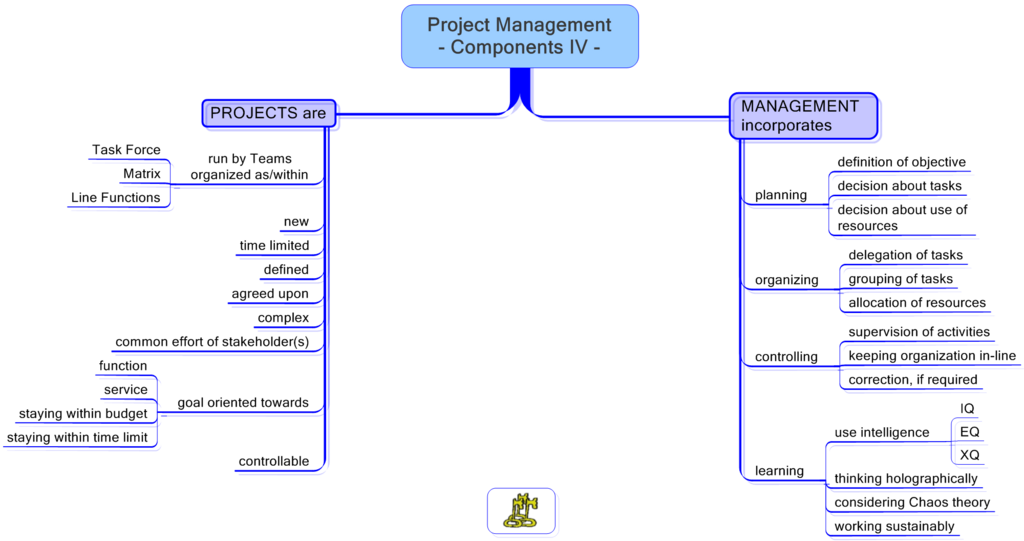
Before diving into the world of project management, let's start with the basics. What exactly is a project? It's not just a a random list of tasks. Projects are how organizations create change, innovate, and achieve their goals.
Project
noun
A temporary endeavor undertaken to create a unique product, service, or result.
This definition has three key ingredients:
- Temporary: Every project has a clear beginning and end. It's not a forever thing. Once the goal is achieved, the project is complete.
- Unique: A project creates something new. It could be a brand-new piece of software, a skyscraper, or a marketing campaign for a new product. It hasn't been done in the exact same way before.
- Specific Goal: Projects are laser-focused on a particular outcome. This is often called the project's 'deliverable'.
This is what separates a project from routine operations. Manufacturing 1,000 cars a day is an ongoing operation. Designing a new model of car is a project.
The Project Manager's Role
If a project is the vehicle for change, the project manager (PM) is the driver. A project manager is the person responsible for leading the team and steering the project to its successful completion.
Their job involves balancing the project's constraints: scope (what needs to be done), schedule (the timeline), and budget (the cost). It's a constant juggling act to keep all three in check. A great PM is more than just a taskmaster; they are a leader, a communicator, and a problem-solver all rolled into one.
Key responsibilities include:
- Planning: Creating a roadmap that outlines every step of the project.
- Leading: Assembling and guiding the project team.
- Executing: Putting the plan into motion and managing the work.
- Monitoring: Tracking progress and making adjustments as needed.
- Communicating: Keeping stakeholders, from team members to executives, informed.
- Closing: Formally completing the project and documenting lessons learned.
Ultimately, a project manager is accountable for the project's success or failure. They are the central hub of communication and decision-making.
The Project Life Cycle
Every project, no matter how big or small, follows a general path from start to finish. This path is called the project life cycle, which is typically broken down into distinct phases. Think of it as a project's journey.
The five standard phases are:
- Initiating: This is where the project gets the green light. The project's purpose and goals are defined, and a project manager is assigned.
- Planning: The roadmap is built. The team figures out the scope, schedule, budget, resources, and risks.
- Executing: The work gets done. The team builds the deliverables according to the plan.
- Monitoring & Controlling: This happens alongside execution. The PM tracks progress, manages changes, and makes sure everything stays on course.
- Closing: The project is wrapped up. The final product is delivered, and the team reflects on what went well and what could be improved next time.
Ways of Working
Not all projects are managed the same way. The best approach depends on the project itself. How much is known upfront? How likely is it that things will change? These questions lead to different project management methodologies.
A methodology is simply a system of principles, techniques, and procedures used to manage a project. Let's look at the three main types.
Predictive (Waterfall)
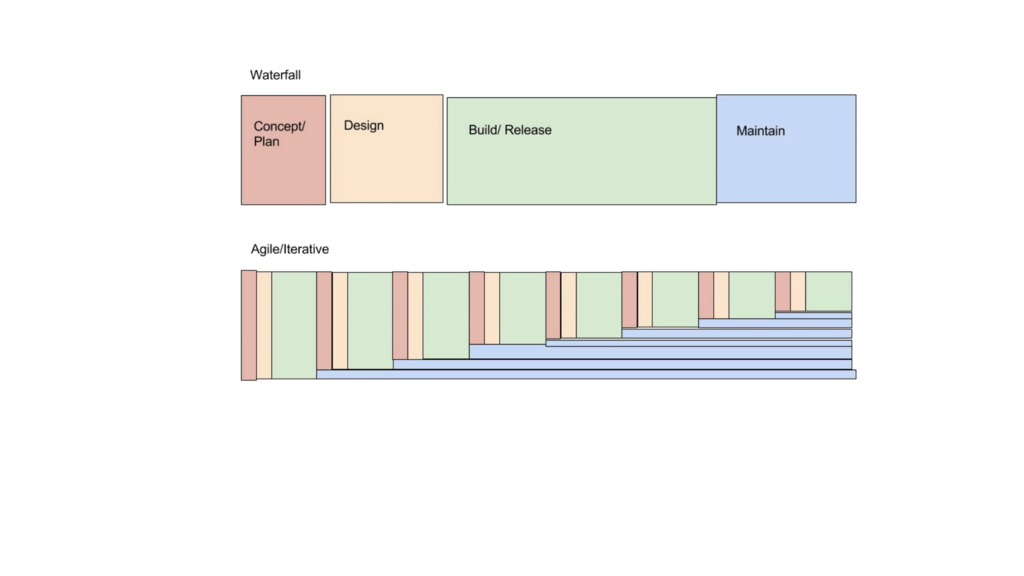
This is the traditional approach. You plan everything in detail at the beginning, and then you execute that plan in a sequential, step-by-step process. Each phase must be fully completed before the next one begins, like a waterfall flowing down a series of cliffs. This works well when the project goal is very clear and unlikely to change, such as constructing a building.
Agile
Agile is an iterative approach. Instead of one big plan, the project is broken down into small, manageable cycles called 'sprints'. At the end of each sprint, the team delivers a small, working piece of the final product. This allows for flexibility and continuous feedback from the customer. It's ideal for projects where requirements are expected to change or are not fully understood at the start, like software development.
Hybrid
As the name suggests, a hybrid approach combines elements of both predictive and agile methods. A team might do high-level planning upfront (predictive) but then execute the work in flexible sprints (agile). This allows teams to get the best of both worlds: the structure of traditional planning and the adaptability of agile execution.
Choosing the right methodology is crucial. It sets the rules of the game and has a huge impact on how the team works together to deliver value.
Now that you understand the core concepts, you're ready to test your knowledge.
Which of the following best describes the essential characteristics of a project?
A project manager's primary role involves balancing which three competing project constraints?
Understanding these fundamentals—what a project is, the PM's role, the life cycle, and different methodologies—provides the foundation for everything else in project management.