PMBOK 8th Edition Explained
Introduction to PMBOK® Guide Eighth Edition
A New Guide for a New Era
Project management isn't static. It changes with technology, team structures, and the very nature of work. The guide that professionals rely on, the Project Management Body of Knowledge (PMBOK® Guide), has evolved right along with it.
For years, the guide was known for its detailed, process-based approach. It laid out a specific sequence of steps: inputs, tools, techniques, and outputs (often called ITTOs). This was helpful for standardization but could feel rigid in a world that increasingly values flexibility. Many projects today don't fit a single mold; they might be agile, predictive (waterfall), or a hybrid of both.
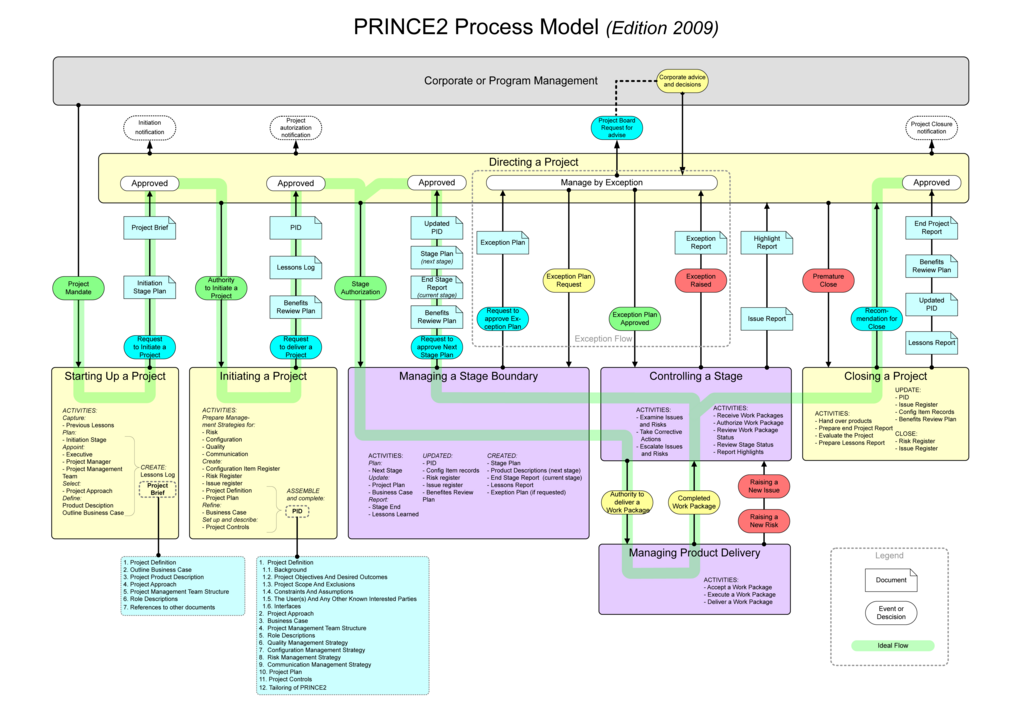
The Eighth Edition represents a significant shift. It moves away from prescribing how to manage a project and instead focuses on the principles and outcomes that lead to success, regardless of the method you use. It's less of a rulebook and more of a framework for effective decision-making.
Principles Over Processes
The biggest change in the Eighth Edition is its foundation on principles rather than processes. Instead of memorizing hundreds of ITTOs, the focus is now on understanding a set of core beliefs and values that guide project management behavior. This makes the guide universally applicable, whether you're building a skyscraper or developing a mobile app.
Think of it this way: instead of a detailed recipe, the new guide gives you the principles of good cooking. It trusts you to select the right ingredients and techniques for the dish you want to make.
This principle-based structure is designed to be more adaptable. It recognizes that there is no one-size-fits-all solution in project management. The goal is to equip you with the fundamental knowledge to tailor your approach to your specific project context.
Focusing on Performance
So, if the guide isn't organized by processes anymore, what is its structure? The Eighth Edition introduces the concept of Project Performance Domains. These are broad areas of focus that are essential for any project's success.
Performance Domain
noun
A group of related activities that are critical for the effective delivery of project outcomes.
There are eight performance domains, covering topics like Stakeholders, Team, Planning, and Delivery. These domains are interconnected and work together to produce successful outcomes. They represent the what of project management, while the principles represent the why. This structure helps you focus on what truly matters: delivering value and achieving the project's goals.
This performance-based approach is more outcome-oriented. It prompts you to constantly ask, "Are our actions helping the project succeed?" rather than just, "Are we following the process correctly?" This shift empowers project managers to be more thoughtful, strategic, and ultimately, more effective in their roles.
What is the most significant structural change introduced in the PMBOK® Guide - Eighth Edition compared to previous versions?
The primary structure of the PMBOK® Guide - Eighth Edition is organized around a detailed list of Inputs, Tools, Techniques, and Outputs (ITTOs).