Plumbing and Venting Essentials
Plumbing Basics
Two Systems, One House
Every home's plumbing is built around two separate, crucial systems. One system brings fresh, clean water in, and the other safely takes wastewater out. They work in tandem but never mix. Understanding how both operate is the first step to understanding any plumbing task.
Every home plumbing system consists of three main components: supply lines, waste lines, and vent systems.
The Water Supply System
This is the pressurized system that brings clean water into your home. It starts either from a municipal water main under the street or a private well. The water enters your house through a main supply line, passing through a meter that tracks usage and a main shut-off valve. This valve is your control switch for all the water in your house.
From there, the main line splits. One pipe sends cold water directly to faucets, toilets, and appliances like your washing machine. The other pipe leads to a water heater. After being heated, that hot water travels through a separate set of pipes to the same fixtures and appliances.
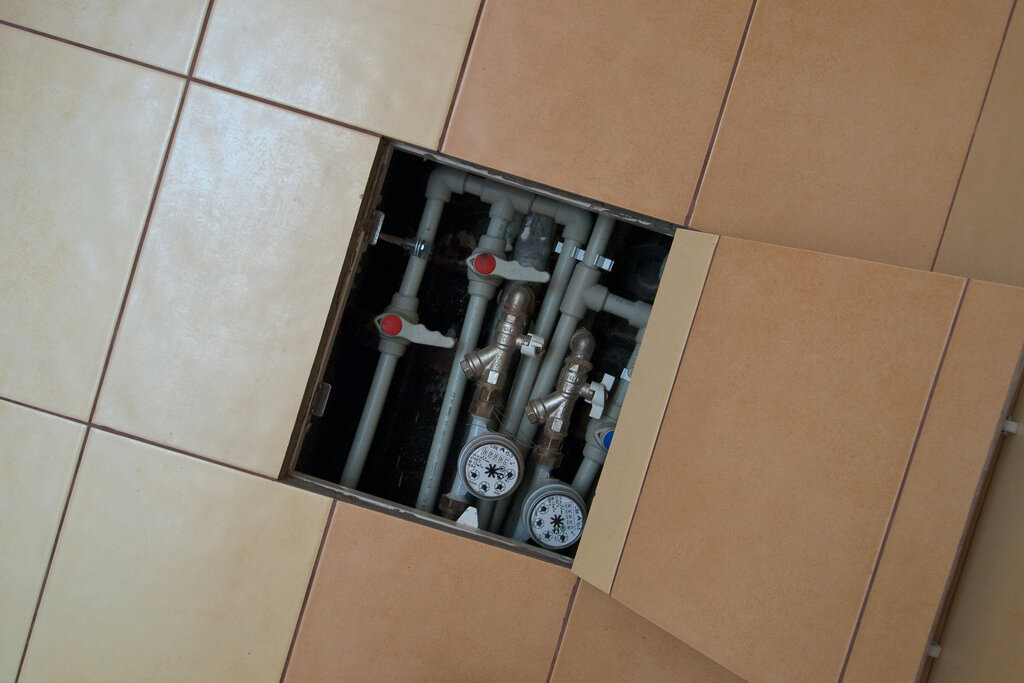
Because the water is under pressure, it can flow upstairs, around corners, and out of your showerhead with force. Hot and cold water lines run parallel to each other throughout the house, waiting to be used.
Potable
adjective
Water that is safe to drink.
The Drain-Waste-Vent System
Once you've used the water, it needs a safe way to exit. That's the job of the Drain-Waste-Vent (DWV) system. Unlike the supply system, the DWV system is not pressurized. It relies completely on gravity.
Every fixture has a drain that connects to a network of pipes. These pipes are angled slightly downward, guiding wastewater and solids toward the main sewer line or a septic tank. The system has three distinct jobs rolled into one name:
Drains collect water from sinks, showers, and tubs.
Waste lines carry waste from toilets.
Vents allow air into the pipes, helping everything flow smoothly and preventing harmful sewer gases from entering your home.
A key component of this system is the trap. Every fixture has a U-shaped pipe, called a P-trap, that holds a small amount of water after each use. This plug of water creates a seal that blocks sewer gases from rising up through the drain and into your home.
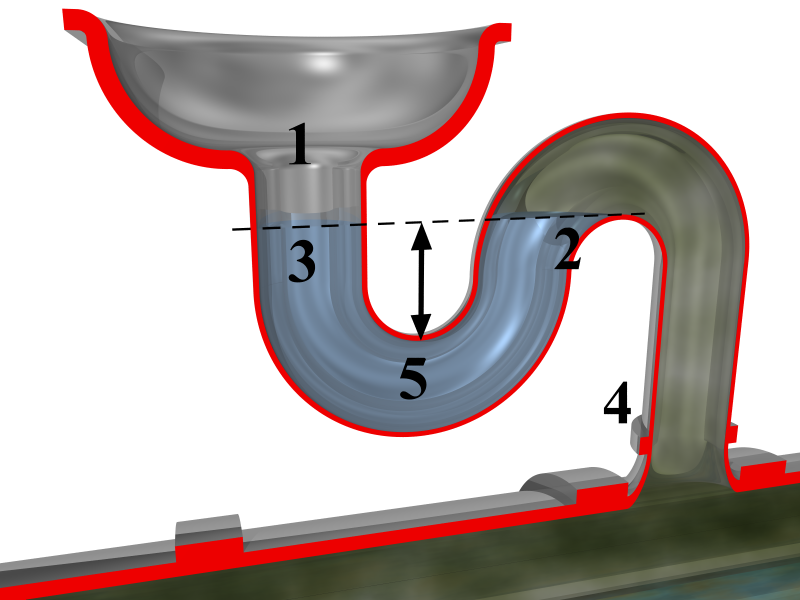
The vent pipes are the unsung heroes. They typically run vertically up through the walls and exit through the roof. Vents allow air to enter the drainpipes. Without this air, the flow of water could create a siphon effect, sucking the water out of the traps and leaving your home unprotected from sewer gas. Vents also provide an escape route for those gases to dissipate harmlessly outside.
Fixtures and Fittings
Finally, we have the components that connect these two systems and allow us to use them.
Fixtures are the devices that use water and connect to the plumbing system. Think of sinks, toilets, bathtubs, and washing machines.
Fittings are the thousands of small parts that join pipes together and direct the flow of water. Examples include elbows that change a pipe's direction, tees that split the flow, and couplings that connect two pipes in a straight line.
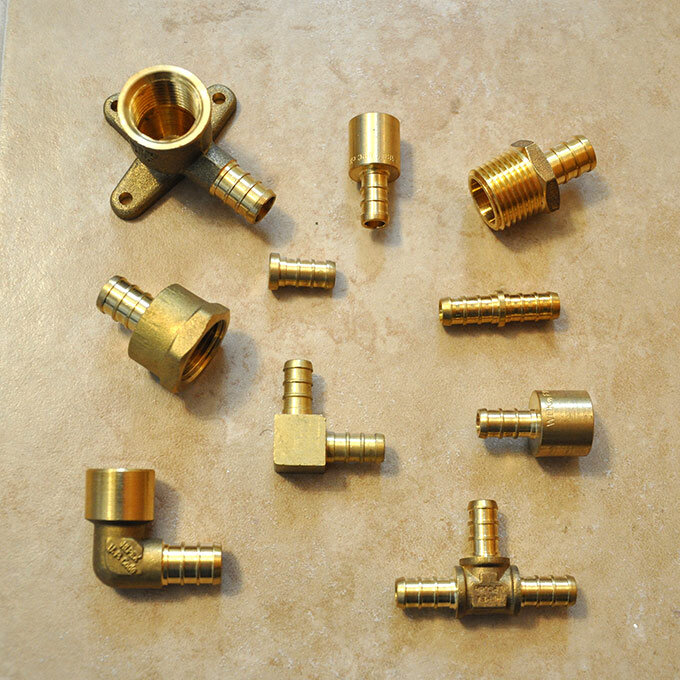
Together, these two systems, along with all their fixtures and fittings, create the complex network that keeps clean water flowing in and wastewater flowing out.
What is the primary force that moves water through the fresh water supply system in a home?
What is the main purpose of the U-shaped pipe, known as a P-trap, found under every drain?