Plotinus, Gordian III, and the 'Eastern' Myth
Historical Contextualization
The Gordian Campaign
Plotinus’s decision to join Gordian III’s Persian expedition in 243 CE is often framed as a philosopher's quest for Eastern wisdom. A closer look reveals a far more pragmatic, and ultimately frustrated, endeavor. At 39, Plotinus attached himself to the imperial court, likely seeing the campaign as the only viable means to reach Persia and India. The Roman Empire of the 3rd century was not a place for casual overland travel to the East, especially not through the contested territories of Mesopotamia.
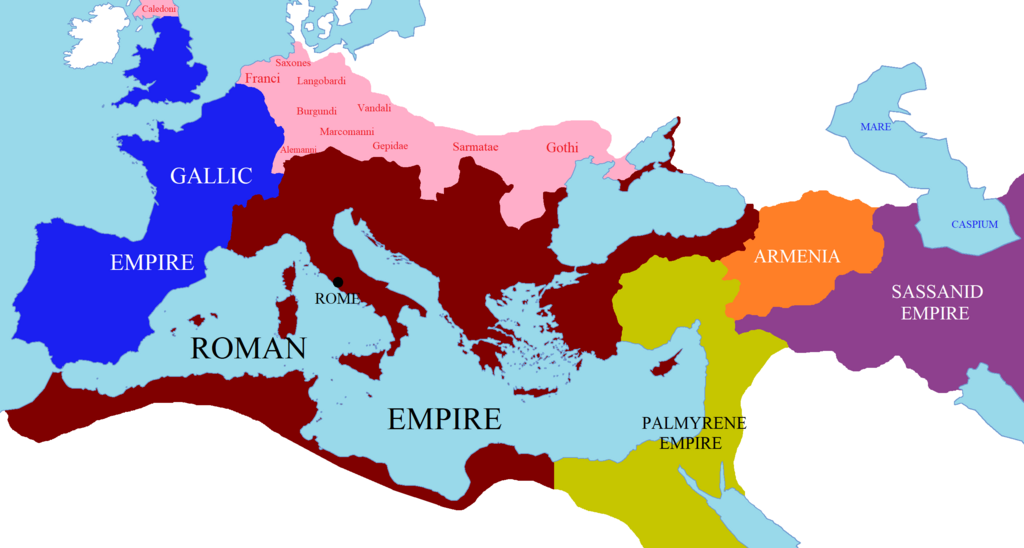
The campaign itself was a product of the endemic instability of the era. Gordian III, a young emperor, sought to legitimize his rule with a decisive military victory against Shapur I's Sassanian Empire. The initial stages were successful. The Roman army, under the command of the praetorian prefect , Gordian's father-in-law, retook Roman Mesopotamia and defeated Shapur at the Battle of Resaena in 243 CE. For a brief moment, the path to Ctesiphon, the Sassanian capital, seemed open. This was the window Plotinus hoped to exploit.
Collapse and Retreat
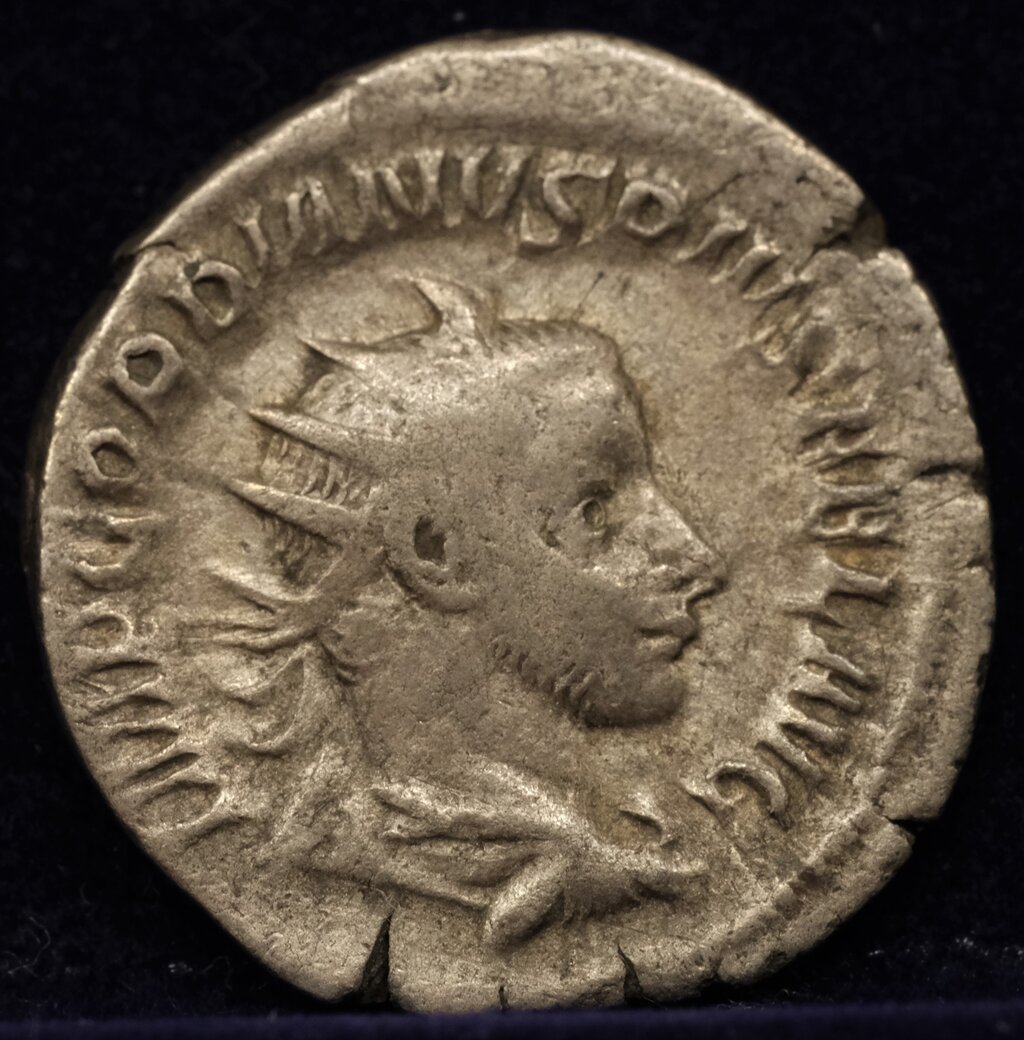
The expedition's momentum died with Timesitheus. His successor, Philip the Arab, had ambitions of his own. As the army advanced deeper into Persian territory, supply lines stretched thin and morale plummeted. In early 244 CE, near modern-day Fallujah in Iraq, the Roman forces were defeated at the Battle of Misiche. It was during the chaotic retreat that followed this battle that Gordian III died. Roman sources are conflicted, with some claiming he died in battle and others, more plausibly, asserting that he was assassinated at the behest of Philip, who was promptly proclaimed emperor by the troops.
For Plotinus, this turn of events was catastrophic. His imperial protection vanished overnight. Stranded deep in hostile territory amidst a disintegrating army, his philosophical mission became a simple struggle for survival. Porphyry's Life of Plotinus states he "fled to Antioch," managing to escape the military debacle. From Antioch, he made his way to Rome, where he would finally establish his school in 245 CE. The grand tour of Eastern thought was over before it began.
The Weight of a Ghost
Historiographically, the aborted journey carries a weight far exceeding its actual accomplishments. It stands as the primary, and indeed only, piece of biographical evidence for a direct link between Plotinus and Eastern philosophy. Yet, he never met a Persian magus or an Indian gymnosophist. The military context of the campaign would have made any deep philosophical exchange nearly impossible even if the army had reached its destination. Armies on the march are not roving symposiums.
The irony is that Plotinus’s failure to reach the East is the bedrock of the theory that he was influenced by it. The intention to learn is treated as evidence of the learning itself.
This narrative glosses over the inconvenient reality. Plotinus's exposure to any 'Eastern' ideas was almost certainly secondhand, absorbed through the syncretic intellectual soup of Alexandria, a city already saturated with Hellenized interpretations of Egyptian, Jewish, and other traditions. The failed expedition reveals not a direct transmission of ideas, but the immense logistical and political barriers that separated the philosophical worlds of Rome and Persia in the 3rd century. Plotinus’s subsequent move to Rome, the heart of the empire, was a pragmatic choice born from a failed gamble in the East.