Play Hey Jude on Piano
Introduction to 'Hey Jude'
An Anthem for Comfort
Released in 1968, "Hey Jude" became The Beatles' most successful single. But its origins are deeply personal. Paul McCartney wrote the song to comfort John Lennon's young son, Julian, during his parents' divorce. He originally called it "Hey Jules," but changed it to "Jude" because he thought it sounded better.
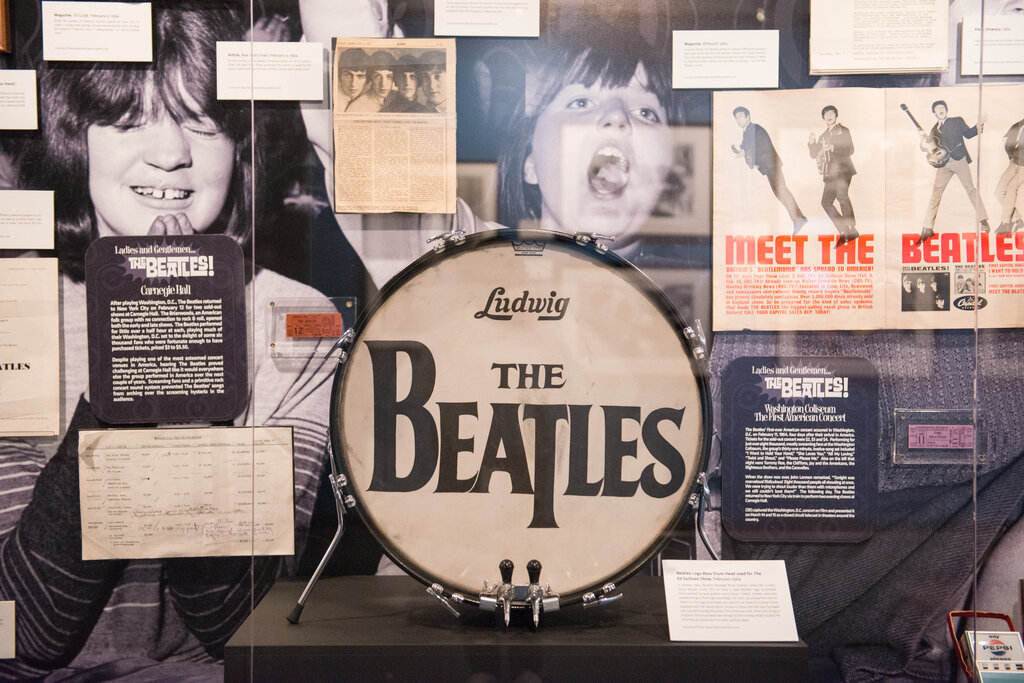
The song was unusually long for a pop single at the time, clocking in at over seven minutes. Radio stations were hesitant to play it at first, but its powerful message and unforgettable melody won audiences over. It topped the charts worldwide and remains one of the most beloved songs ever written.
A Song in Two Halves
"Hey Jude" doesn't follow a typical verse-chorus structure. Instead, it's built in two distinct parts. The first half is a gentle, piano-led ballad that builds emotionally. The second half transforms into a massive, orchestral sing-along that fades out slowly.
This two-part structure—from intimate ballad to epic anthem—is what makes the song so unique and powerful.
This structure takes the listener on a journey. It starts with a personal message of support and ends with a feeling of communal celebration.
The Musical Blueprint
Before playing a single note, it helps to understand the song's musical foundation. This is set by its key and time signature.
Key Signature
noun
A set of sharp (♯) or flat (♭) symbols placed on the staff at the beginning of a piece of music. It tells you which notes to play consistently higher or lower.
"Hey Jude" is in the key of F Major. This key has one flat: B-flat (B♭). This means every time you see a B on the staff, you'll play it as B♭ unless noted otherwise.
Time Signature
noun
Two numbers at the start of a piece of music that specify how many beats are in each measure and what kind of note gets one beat.
The song's time signature is 4/4, also known as "common time." The top number means there are four beats in every measure. The bottom number means the quarter note gets one beat. You can count it out: ONE, two, three, four, ONE, two, three, four...
Now that you have the background and the basic framework, you're ready to start exploring the notes and chords that bring this amazing song to life.