Plastic Mold Coloring Fundamentals
Introduction to Colorants
Coloring Plastics
When you see a vibrant plastic product, from a laundry basket to a phone case, you're seeing the work of colorants. These are the substances that give plastic its hue. They fall into two main categories: pigments and dyes.
The easiest way to think about the difference is to imagine mixing things into a glass of water. Pigments are like adding fine sand. The sand particles don't dissolve; they just spread out and get suspended in the water, making it cloudy and colored. Dyes, on the other hand, are like dissolving sugar. The sugar molecules themselves mix completely with the water, creating a clear, colored solution.
In plastics, pigments are insoluble particles that scatter light, typically creating an opaque color. Dyes dissolve into the plastic matrix, resulting in a transparent color.

Pigments: Solid Particles of Color
Pigments are finely ground solid particles. Since they don't dissolve, they must be evenly distributed throughout the plastic to achieve a uniform color. They are the most common way to color plastics, especially when you want the final product to be opaque.
Pigments are split into two families: inorganic and organic.
Inorganic Pigments are essentially mineral compounds, often based on metals. Think of them as tiny, tough, colored rocks. Their key strengths are durability, high heat stability, and excellent resistance to fading from light exposure (lightfastness). The most common inorganic pigment is titanium dioxide, which creates a brilliant, opaque white. Others include iron oxides for earthy reds, yellows, and browns, and carbon black for, well, black.
Organic Pigments are complex, carbon-based molecules. They offer a much wider and brighter range of colors than inorganics—think vibrant magentas, electric blues, and sunny yellows. However, they are generally less resistant to heat and light, and can sometimes be more expensive. Common organic pigments include phthalocyanines, which produce vivid blues and greens, and azo pigments, which cover a wide spectrum of yellows, oranges, and reds.
| Feature | Inorganic Pigments | Organic Pigments |
|---|---|---|
| Composition | Metal-based compounds | Carbon-based molecules |
| Color Range | Earthy, more muted | Bright, vibrant, wide range |
| Opacity | High | Lower (can be transparent) |
| Heat Stability | Excellent | Good to Fair |
| Lightfastness | Excellent | Good to Fair |
| Cost | Generally lower | Generally higher |
Dyes: Dissolving for Transparency
Unlike pigments, dyes are soluble. They dissolve directly into the plastic on a molecular level. Because they don't have solid particles to scatter light, dyes produce transparent, brilliant colors. This makes them perfect for applications where you want to see through the plastic, like sunglasses, taillight lenses, or transparent water bottles.
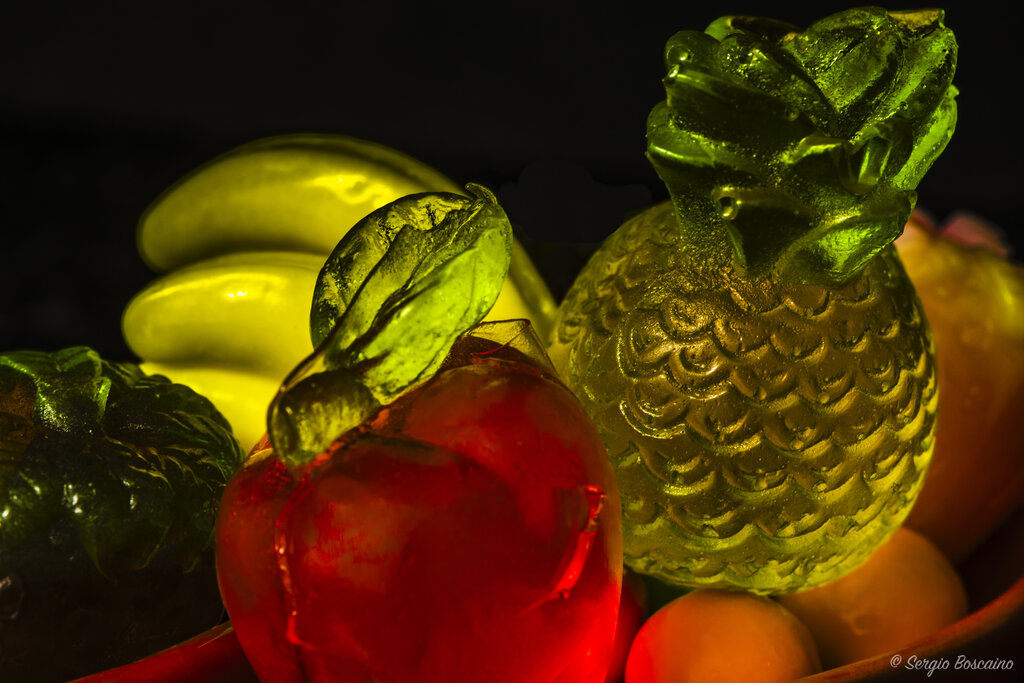
The most common type used in plastics are solvent dyes. They are valued for their high color strength and clarity. However, they aren't as tough as inorganic pigments. They can be prone to migrating, or bleeding, to the surface of the part over time, and they generally have lower heat and light resistance. Their use is typically limited to plastics that are processed at lower temperatures.
Use pigments for opaque, durable colors. Use dyes for transparent, brilliant colors.
Effect Pigments for Special Looks
Sometimes, a simple flat color isn't enough. Effect pigments are used to create unique visual appearances beyond just hue.
Pearlescent pigments create a shimmering, pearl-like luster. They are made of tiny, plate-like particles (often mica flakes coated with a metal oxide). When light hits these platelets, it reflects off multiple surfaces at different depths, creating a sense of shimmer and depth. This effect is used in everything from car paint to cosmetic packaging.
Phosphorescent pigments, better known as glow-in-the-dark pigments, have a unique ability. They absorb energy from a light source and then release it slowly as visible light. This is why a toy or watch face exposed to light will continue to glow for a while after the lights are turned off.

These special pigments add both aesthetic appeal and sometimes functionality, expanding the design possibilities for plastic products far beyond a simple color.
Ready to check your understanding?
What is the fundamental difference between pigments and dyes when used in plastics?
If a manufacturer wants to produce a transparent green water bottle, which colorant would be the most suitable choice?
Understanding the difference between these colorant types is the first step in creating plastics with specific looks and properties, from a simple opaque bucket to a shimmering, transparent phone case.