Plant Mineral Nutrition and Soil Health
Essential Nutrients
The Essentials of Plant Nutrition
Plants, much like us, require a balanced diet to thrive. While we know they need sunlight, water, and carbon dioxide for photosynthesis, they also pull a wide array of mineral elements from the soil through their roots. However, not every element a plant absorbs is essential for its survival. So, how do scientists decide which elements are non-negotiable?
The groundwork for this was laid in 1939 by botanists . They established a strict set of criteria to define whether a mineral element is truly essential for a plant. If an element fails to meet even one of these conditions, it's considered non-essential, even if it provides some benefits.
An element is essential if:
- The plant cannot complete its life cycle (i.e., grow and reproduce) in its absence.
- Its function is specific and cannot be replaced by another element.
- It is directly involved in the plant's metabolism, for example, as a component of an enzyme or a structural molecule.
Macronutrients vs. Micronutrients
Based on these criteria, 17 elements are universally recognised as essential for all higher plants. These are categorised not by their importance—since they are all vital—but by the concentration required in plant tissue. Elements needed in larger amounts are called macronutrients, while those needed in tiny quantities are micronutrients.
| Category | Elements | Required Concentration (in dry tissue) |
|---|---|---|
| Macronutrients | Carbon (C), Hydrogen (H), Oxygen (O) | > 1,000 ppm |
| Nitrogen (N), Phosphorus (P), Potassium (K) | ||
| Calcium (Ca), Magnesium (Mg), Sulfur (S) | ||
| Micronutrients | Iron (Fe), Manganese (Mn), Boron (B) | < 100 ppm |
| Zinc (Zn), Copper (Cu), Chlorine (Cl) | ||
| Molybdenum (Mo), Nickel (Ni) |
The macronutrients carbon, hydrogen, and oxygen are the building blocks of life, obtained from air and water. The other six macronutrients are sourced from the soil and are components of everything from proteins and nucleic acids to cell walls.
Micronutrients, often called trace elements, are required in minuscule amounts. For example, a plant needs about 10,000 times more nitrogen than it does . Yet, a lack of molybdenum can be just as fatal as a lack of nitrogen. Micronutrients typically function as cofactors for enzymes, helping to drive critical metabolic reactions.
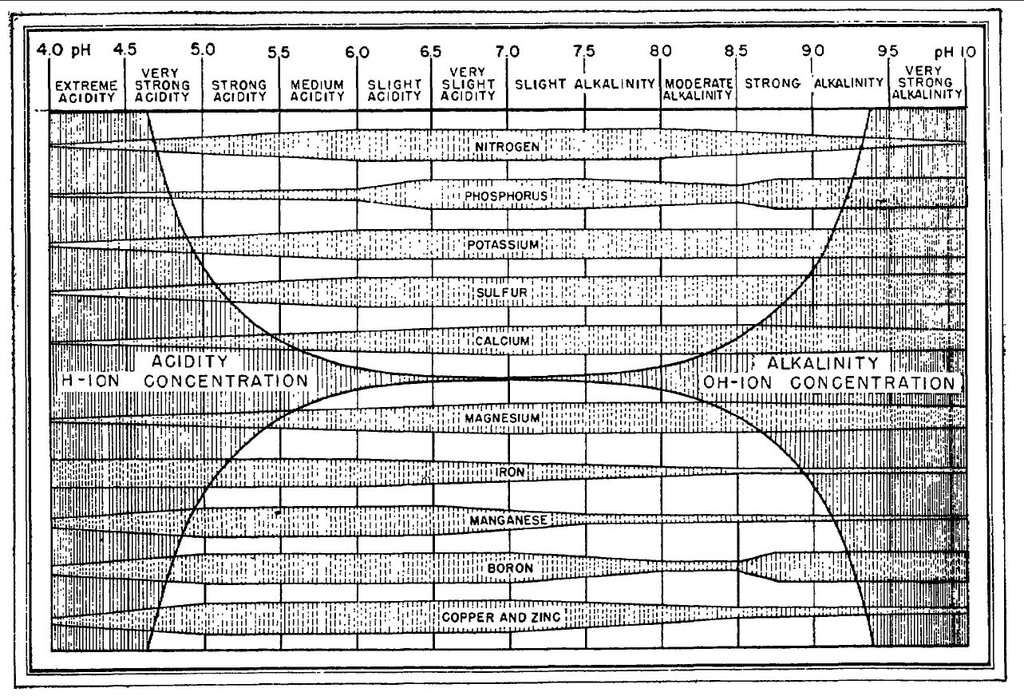
Beneficial but Not Essential
Some elements don't meet Arnon and Stout's strict criteria but can still enhance plant growth, improve resistance to stress, or substitute for an essential element in a limited capacity. These are called beneficial elements. Their importance can often be species-specific.
Silicon (Si) is a classic example. It's not essential for a plant to complete its life cycle, but for plants like rice and sugarcane, it provides structural rigidity, increases resistance to pests and diseases, and alleviates drought stress. Other beneficial elements include sodium (Na), cobalt (Co), and selenium (Se).
This distinction is crucial in agriculture. While a fertiliser program must supply all 17 essential elements, supplementing with beneficial elements can provide an extra edge, leading to healthier and more resilient crops. Understanding this difference helps growers fine-tune their nutrient management for optimal results.
What is the primary basis for classifying an element as 'essential' for a plant, according to the criteria established by Arnon and Stout?
How are essential plant nutrients categorised into macronutrients and micronutrients?
Understanding which nutrients are essential and why is the first step toward mastering plant nutrition.