Plant Breeding for Home Gardeners
Plant Reproduction Basics
Sexual Reproduction
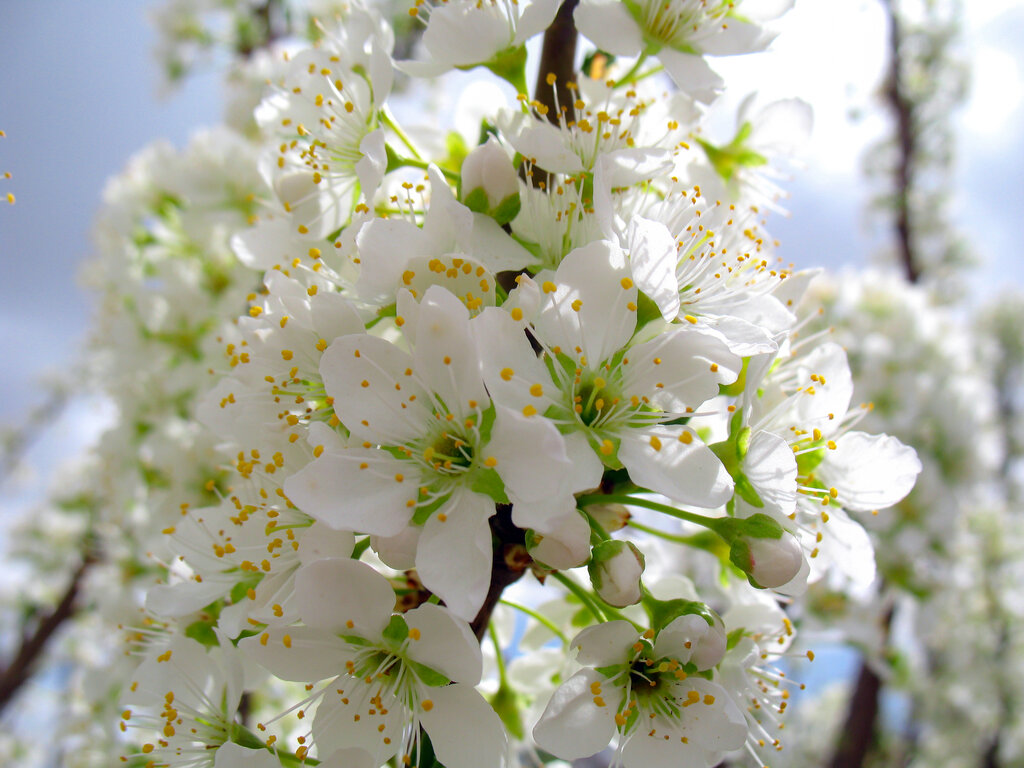
Most flowering plants reproduce sexually. This process involves two parents, or at least, male and female parts. The male part of a flower, the stamen, produces pollen. The female part, the pistil, contains ovules. For a seed to form, pollen from a stamen must land on a pistil, a process called pollination. This can happen thanks to wind, water, or helpful animals like bees and birds.
Once pollination occurs, the male genetic material from the pollen travels to an ovule and fertilizes it. This fertilized ovule develops into a seed, and the surrounding ovary often develops into a fruit. Think of an apple. The fleshy part you eat is the ripened ovary, and the seeds inside are the potential new apple trees.
Each seed created this way contains a unique mix of genetic information from its parents. This is the key benefit of sexual reproduction: it creates genetic diversity. This variation helps plant populations adapt to changing conditions over time.
Asexual Reproduction
Asexual reproduction, also known as vegetative propagation, requires only one parent. The resulting offspring is a clone—genetically identical to the parent plant. This is common in many garden plants and is a reliable way to get a plant with the exact same traits as its parent.
There are several ways plants do this naturally. Strawberries send out runners, which are long stems that grow along the ground and sprout new plants. Potatoes can grow new plants from the “eyes” on their tubers. Some plants, like succulents, can grow a whole new plant from a single fallen leaf.
Gardeners take advantage of this process all the time. When you take a cutting from a plant and root it in water or soil, you are using asexual reproduction to create a new plant. Because the new plant is a clone, you know exactly what you're getting, from flower color to fruit taste.
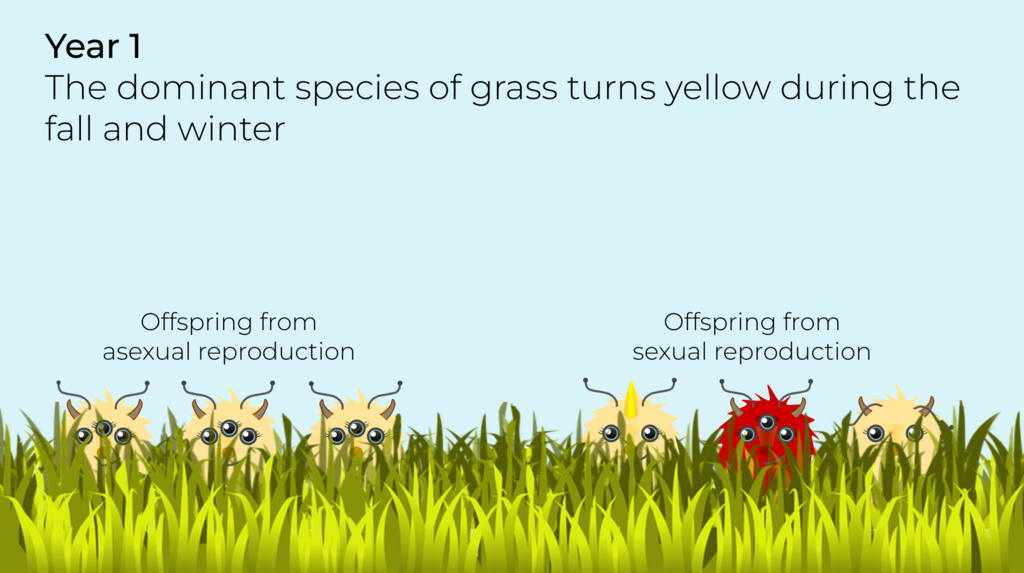
In asexual reproduction, the offspring is a genetic copy of the parent. In sexual reproduction, the offspring is a genetic mix of two parents.
Apomixis A Special Case
Some plants have a unique trick up their sleeves called apomixis. It looks like sexual reproduction because the plant produces seeds, but it’s actually a form of asexual reproduction. No fertilization occurs.
The plant essentially creates a seed that contains a clone of itself. Dandelions are a famous example of a plant that uses apomixis. This strategy allows them to spread rapidly with seeds, but without needing to rely on pollination. The seeds are viable and ready to grow, each one a genetic copy of the parent plant.
Why It Matters
The mode of reproduction has a huge impact on a plant's genetics. Sexual reproduction shuffles the genetic deck, creating new combinations. Some offspring might be better adapted to fight off a new disease, while others might not. This variety is the raw material for evolution and for plant breeders looking for new traits.
Asexual reproduction locks in a winning combination. If a plant is perfectly suited to its environment, cloning it ensures the offspring will be too. However, this lack of genetic diversity can be a weakness. If a disease appears that can kill the parent plant, it will also kill all of its identical offspring.
Understanding these basic methods of reproduction is the first step in knowing how to propagate your favorite plants and even how to try your hand at creating your own new varieties in the garden.