Pizza Restaurant Operations
Ingredient Sourcing
The Hunt for Great Ingredients
A truly memorable pizza isn't just the result of a great recipe or a hot oven. It begins with a thoughtful search for the best possible ingredients. The journey from a simple dough to a delicious final product is paved with choices, and the most critical ones happen long before anything is ever cooked.
The success of any pizza is found in its 3 core parts – the dough, the sauce, and the toppings.
Each of these parts depends entirely on the quality of its raw materials. Sourcing is the art and science of finding the right partners to supply those materials, turning a simple meal into an experience.
Choosing Your Partners
Selecting a supplier is more like hiring a key employee than just buying groceries. Your suppliers are your partners in quality. A cheap supplier who is constantly late or delivers inconsistent products isn't a bargain; they're a liability that can impact every single pizza you sell.
Start by researching potential vendors. This could range from large-scale food distributors to small, local farms or specialty importers. Don't be afraid to ask for samples. Taste their tomatoes, feel the texture of their flour, and see how their cheese melts. If possible, visit their facilities or farms to see their operation firsthand.
When selecting a vendor, the top priority should be the quality of raw ingredients.
Your goal is to find suppliers who are as obsessed with quality as you are. They should understand your needs and be committed to helping you maintain your standards. This partnership is the foundation of a consistent and high-quality menu.
Local Farm or Italian Import?
One of the biggest decisions is whether to source ingredients locally or import them from renowned regions, like Italy. There are distinct advantages to both.
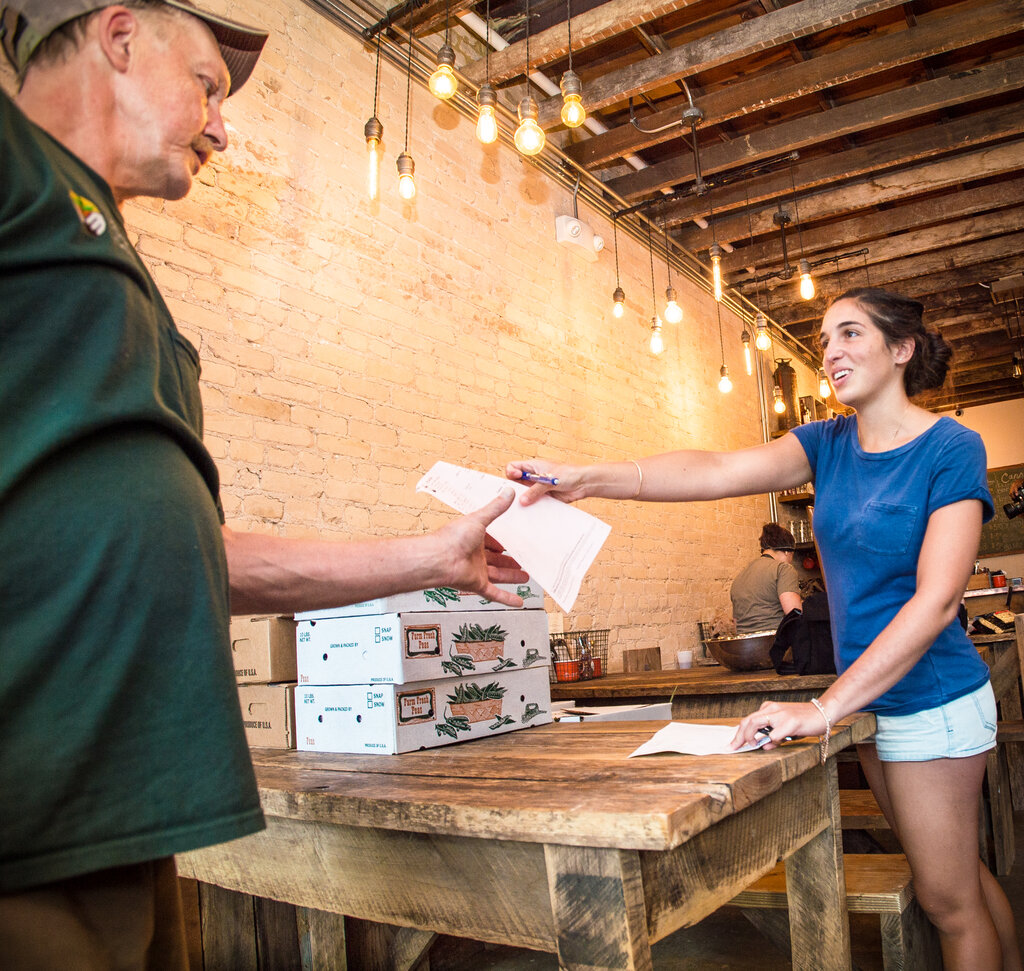
Sourcing locally offers peak freshness. Vegetables harvested in the morning can be on a pizza by dinner. This supports your local economy and reduces your carbon footprint. It also gives your restaurant a compelling story to tell. Customers love knowing their meal is made with ingredients from nearby farms.
However, some ingredients are central to authentic pizza traditions. For a true Neapolitan-style pizza, many chefs insist on specific imported products.
Think San Marzano tomatoes grown in the volcanic soil near Mount Vesuvius, or Mozzarella di Bufala made from the milk of water buffalo in Campania. These ingredients have unique flavors that are difficult to replicate.
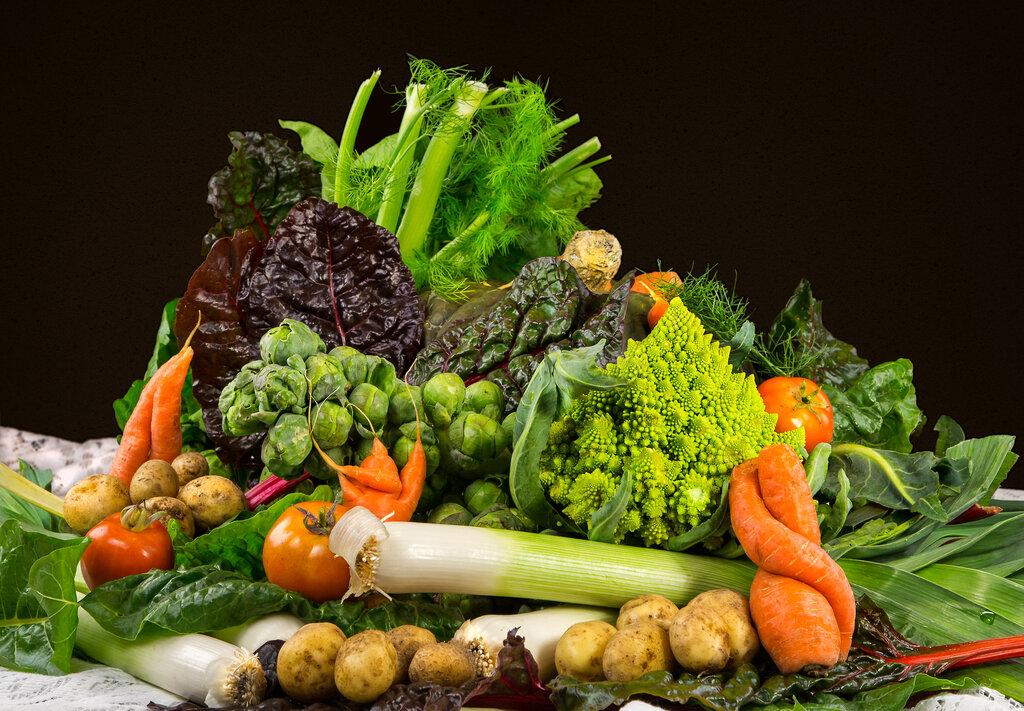
The best approach is often a hybrid one. You might use beautiful, fresh produce from a local farm for your seasonal toppings while importing the flour and tomatoes that define your pizza's classic foundation. This strategy combines the best of both worlds: local freshness and authentic tradition.
Building Strong Relationships
Once you've selected your suppliers, the work isn't over. Building a strong, lasting relationship is key to long-term success. This is about more than just placing orders; it's about clear communication, mutual respect, and loyalty.
When you have a good relationship, your supplier is more likely to give you a heads-up about a great batch of basil or a potential shortage of an ingredient. They become an extension of your team, invested in your success. Consistent, on-time payments and clear feedback—both positive and constructive—go a long way.
Having strong relationships with your suppliers can help you ensure steady access to the ingredients you need for your menu.
A reliable supply of high-quality ingredients is the lifeblood of any great pizza restaurant. By choosing your partners carefully and nurturing those relationships, you ensure that every pizza you serve starts with the best foundation possible.
According to the text, what is the most accurate way to view a supplier for a pizza restaurant?
A chef wants to create an authentic Neapolitan pizza but also feature unique, seasonal toppings. What sourcing strategy does the text suggest?
Ingredient sourcing sets the stage for everything else. It’s the first, and perhaps most important, step in creating a pizza that people will come back for again and again.