Pixel 10 vs iPhone 17 Pro
Understanding Smartphone Specifications
Beyond the Pixels
The first thing you notice about a phone is its display. It's your window into everything the device can do. Modern flagship phones, like the Google Pixel 10 and iPhone 17 Pro, use OLED (Organic Light-Emitting Diode) technology. Unlike older LCD screens that use a single backlight, each pixel in an OLED display creates its own light. This allows for perfect blacks, since pixels can turn off completely, making colors pop with incredible contrast.
But a great display is more than just its type. You'll often see terms like resolution, brightness, and refresh rate. Resolution tells you how many pixels are packed into the screen, making the image sharp. Brightness, measured in nits, is crucial for using your phone in direct sunlight. A higher nit count means a brighter, more visible screen.
Refresh rate, measured in Hertz (Hz), is how many times the screen updates per second. A 120Hz display refreshes 120 times, making scrolling and animations feel incredibly smooth and responsive compared to a standard 60Hz screen.
| Specification | Google Pixel 10 | Apple iPhone 17 Pro |
|---|---|---|
| Display Type | OLED | OLED |
| Resolution | QHD+ (3120 x 1440) | Super Retina XDR (2796 x 1290) |
| Refresh Rate | 120Hz (Adaptive) | 120Hz ProMotion (Adaptive) |
| Peak Brightness | 2,000 nits | 2,200 nits |
Under the Hood
A smartphone's processor, often called a System on a Chip (SoC), is its brain. It's not just one component; it combines the central processing unit (CPU), graphics processing unit (GPU), and other specialized processors onto a single piece of silicon. This tiny powerhouse handles everything from launching apps to playing games and enabling advanced AI features.
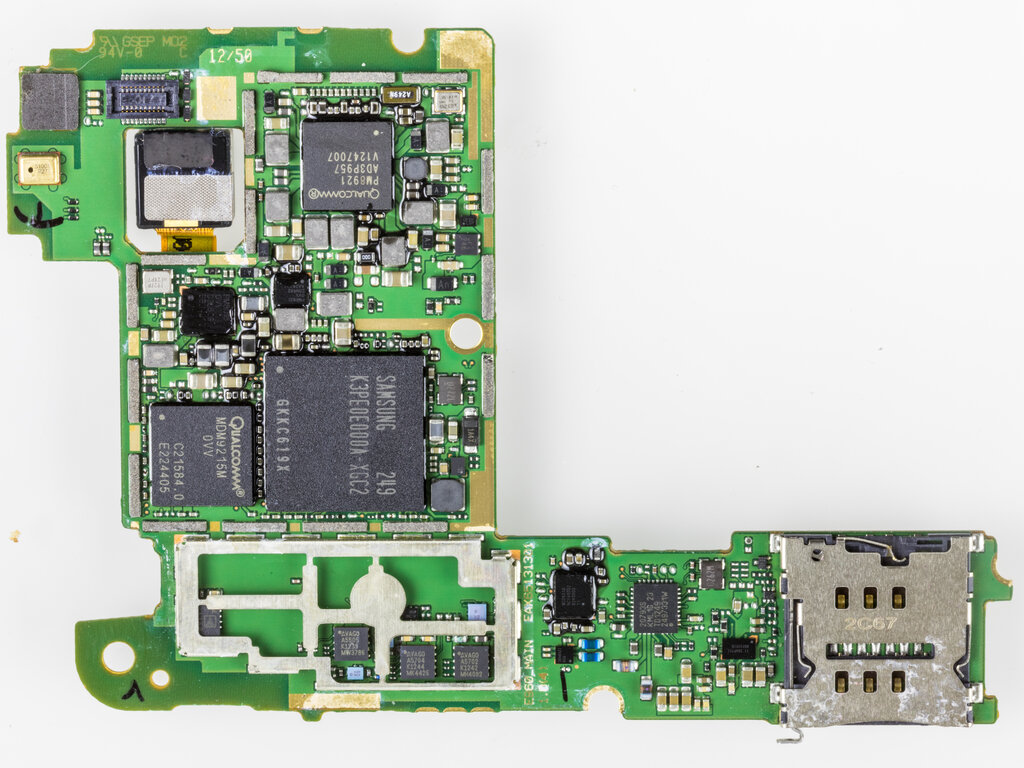
Google and Apple take different approaches here. Google develops its own Tensor chips, designed to accelerate AI and machine learning tasks that power many of the Pixel's unique features, like real-time translation and photo editing. Apple designs its A-series Bionic chips, known for their raw speed and efficiency, making iPhones incredibly fast and power-efficient for demanding tasks like video editing and gaming.
While benchmark scores can compare raw performance, what truly matters is how this power translates to real-world use. A powerful SoC ensures that the phone feels snappy, apps open instantly, and complex tasks are handled without a stutter.
More Than Megapixels
Smartphone cameras have become incredibly complex. While manufacturers often advertise high megapixel (MP) counts, that number alone doesn't guarantee a good photo. Other factors are just as, if not more, important.
Aperture
noun
The opening in a lens through which light travels. A lower f-number (e.g., f/1.7) means a wider opening, letting in more light for better low-light photos.
The size of the camera sensor is also critical. A larger sensor can capture more light, leading to clearer, less grainy images. Modern flagships also come with multiple lenses:
- Main (Wide): Your all-purpose lens for everyday shots.
- Ultrawide: Captures a much wider field of view, perfect for landscapes or group photos.
- Telephoto: Zooms in on distant subjects without losing quality, thanks to optical zoom.
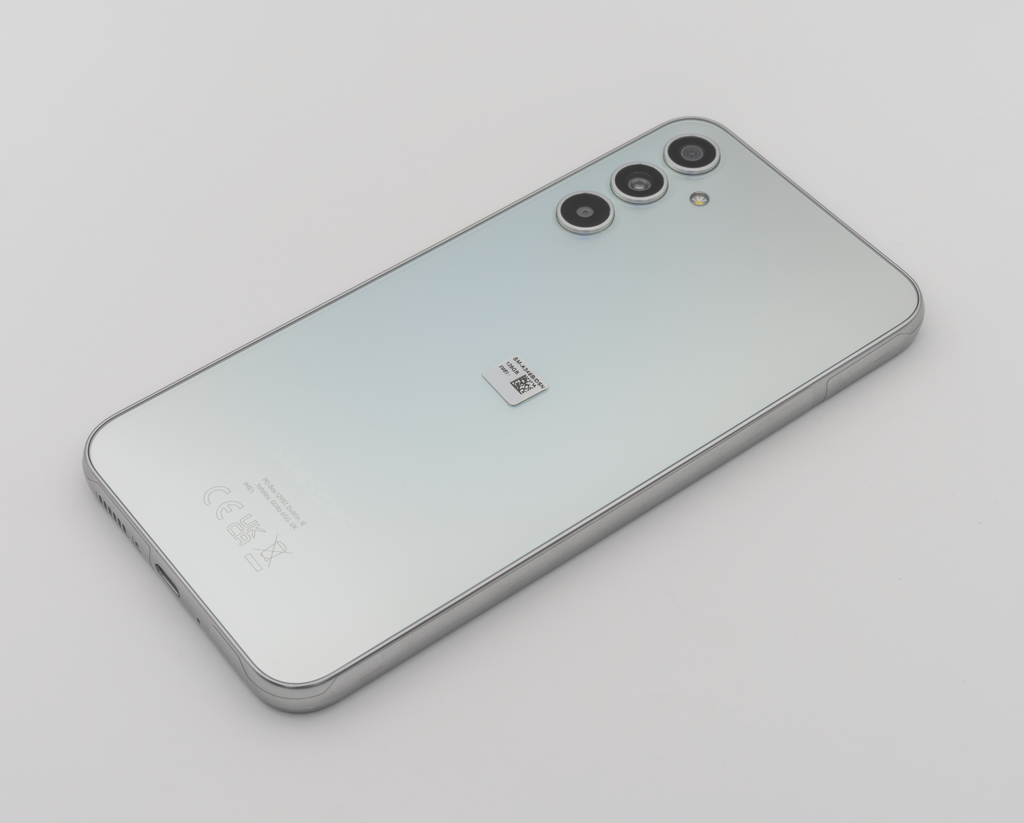
Today, the SoC's power is essential for photography. This is where computational photography comes in. The phone takes data from the sensor and uses advanced algorithms to merge multiple images, reduce noise, and optimize colors and dynamic range, all in the instant you press the shutter.
Staying Powered and Connected
A phone's features are useless without a battery to power them. Battery capacity is measured in milliampere-hours (mAh). While a higher number generally means longer life, it's not the whole story. The efficiency of the processor and display also play a huge role in how long a single charge lasts.
When it's time to recharge, you'll encounter a few different technologies. Wired charging is typically the fastest, with wattage (W) indicating charging speed. Wireless charging offers convenience, letting you power up by placing your device on a charging pad. Some phones also offer reverse wireless charging, allowing you to use your phone's battery to charge other devices, like earbuds.
| Feature | Google Pixel 10 | Apple iPhone 17 Pro |
|---|---|---|
| Battery Capacity | ~5,100 mAh | ~4,500 mAh |
| Wired Charging | 45W | 30W |
| Wireless Charging | Supported | Supported (MagSafe) |
| Wi-Fi | Wi-Fi 7 | Wi-Fi 7 |
| Cellular | 5G | 5G |
| Bluetooth | 5.4 | 5.4 |
Finally, connectivity keeps you linked to the world. Wi-Fi standards are always evolving, with Wi-Fi 7 offering faster speeds and lower latency than its predecessors. 5G is the current standard for cellular data, providing high-speed internet on the go. And Bluetooth connects you to wireless headphones, speakers, and smartwatches.
Why can OLED displays achieve "perfect blacks"?
A user primarily needs a phone for demanding, professional-grade video editing and high-frame-rate gaming. Which processor philosophy is better aligned with these priorities?