Pitch Deck Mastery
Understanding Seed Funding
Planting the Seed
Every great company starts as a small idea. But ideas need resources to grow. Seed funding is the earliest stage of venture capital financing, designed to take a startup from concept to the first stages of operation. Think of it like planting a seed. An investor provides the initial capital—the soil and water—to help a young company sprout.

This initial money isn't just a loan; it's an investment. In exchange for funding, founders give the investor an equity stake, or a small piece of ownership in the company. The goal of seed funding is to help the company figure out its product and find its target market. This crucial period is all about experimentation and validation. The capital is typically used to hire a core team, build a minimum viable product (MVP), and gather initial user feedback.
Seed funding
noun
The first official equity funding stage. It typically represents the first official money that a business venture or enterprise raises.
The investors at this stage are often called "angel investors"—wealthy individuals who invest their own money—or early-stage venture capital (VC) firms that specialize in new companies. They provide not just cash, but often valuable mentorship and industry connections.
What Investors Look For
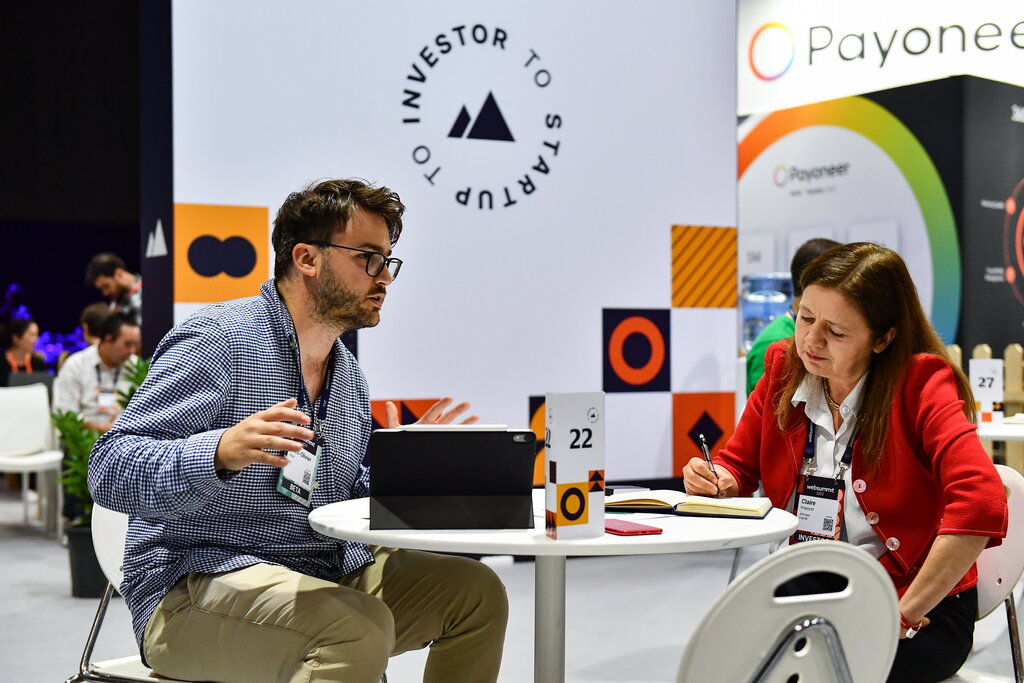
Securing seed funding is highly competitive. Investors hear hundreds of pitches and only invest in a select few. They are looking for specific signals that suggest a company has the potential for massive growth. While every investor has their own criteria, they almost always focus on a few key areas.
At this early stage, investors are betting more on the jockey than the horse. The idea can and likely will change, but a great team can navigate those pivots.
Here’s a breakdown of what they evaluate:
- The Team: Is the founding team passionate, resilient, and knowledgeable about the industry they're entering? Do they have the right mix of skills to execute their vision? A strong, cohesive team is often the single most important factor.
- Market Size: Is the startup tackling a problem in a large and growing market? Venture capitalists look for ideas that can become billion-dollar companies, which is only possible if the total addressable market (TAM) is substantial.
- Product & Vision: How compelling is the idea? Does it solve a real, painful problem for a specific group of customers in a unique way? Investors want to see a clear vision for where the product is headed, even if the initial version is simple.
- Early Traction: This is evidence that you're building something people actually want. Traction doesn't have to mean revenue. It can be anything from a growing waitlist of potential users, positive feedback from pilot customers, or strong engagement on a prototype. It demonstrates momentum.
By focusing on critical metrics – such as revenue growth, customer acquisition, market size, and team strength – investors can separate high-potential ventures from those unlikely to scale.
A Realistic Look at Seed Funding
The world of seed funding can seem glamorous, but it's important for founders to have realistic expectations. The landscape is constantly changing, influenced by the broader economy and market trends.
A typical seed round can range from a few hundred thousand to a couple of million dollars. In exchange, founders usually sell between 10% and 25% of their company's equity. The exact amount depends on the startup's valuation, which is an estimate of its worth based on factors like the team, market size, and traction.
Success is far from guaranteed. The vast majority of startups that seek seed funding fail to get it. And for those that do, the journey is just beginning. Seed funding provides the runway to prove the business model and reach the next set of milestones, which will hopefully lead to the next round of funding, known as Series A.
Raising a seed round isn't the finish line. It's the starting gun.
Understanding the purpose of seed funding and what investors are looking for is the first step for any founder considering this path. It's about finding the right partners who believe in your vision and are willing to provide the critical resources to help it grow.
What is the primary purpose of seed funding for a startup?
True or False: 'Early traction' for a seed-stage startup always means generating revenue.