Pitch Deck Mastery for Seed Funding
Understanding Pitch Decks
What Is a Pitch Deck?
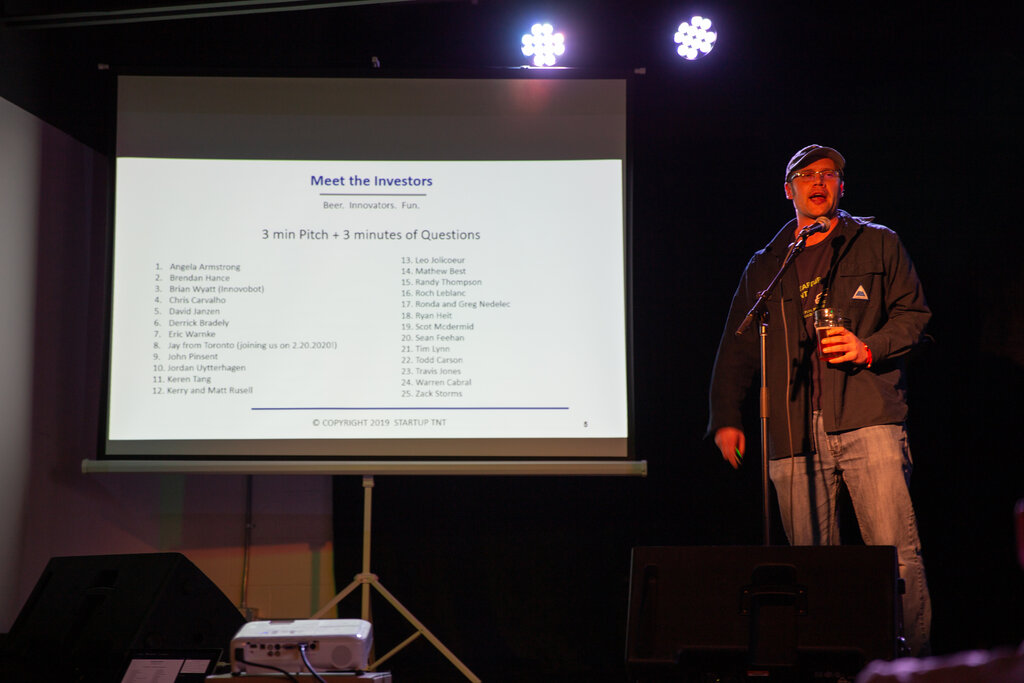
A pitch deck is a brief presentation, often created using PowerPoint, Keynote, or Google Slides, that gives your audience a quick overview of your business plan. You'll use it during face-to-face or online meetings with potential investors, partners, and co-founders.
A perfect pitch — more specifically, a perfect pitch deck — can mean all the difference for a founder looking for funding.
Think of it as your company's highlight reel. It’s not meant to answer every single question. Its main purpose is to spark interest and secure a follow-up meeting. In the fast-paced world of startups, investors see hundreds of pitches. A strong deck is your ticket to getting noticed.
The Core Components
While every business is unique, successful pitch decks almost always follow a similar structure. They tell a story, guiding the listener from a problem to a brilliant solution—yours. Here are the essential building blocks.
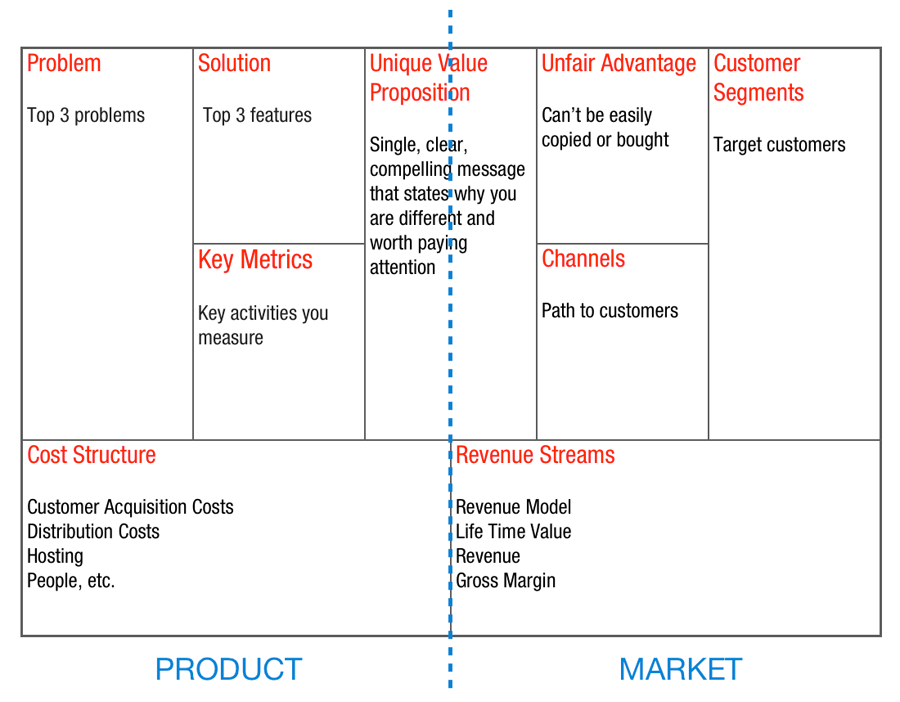
| Slide | Purpose |
|---|---|
| Problem | Describe a significant pain point your target customer faces. Make it relatable. |
| Solution | Explain how your product or service solves that problem elegantly and effectively. |
| Market Size | Show the potential scale of the opportunity. How many people have this problem? |
| Product | Give a demo or show screenshots. How does it actually work? |
| Business Model | How will you make money? Is it subscriptions, one-time sales, or something else? |
| Team | Introduce the key players. Why is this the right team to win? |
| The Ask | Clearly state how much money you're seeking and what you'll use it for. |
These components form a narrative. You're showing investors not just an idea, but a credible plan for turning that idea into a successful company. Each slide should build on the last, creating a logical and compelling argument.
Learning from the Greats
To understand what makes a pitch deck work, let's look at the early decks from two companies that changed the world: Airbnb and Uber.
The Airbnb deck is a masterclass in simplicity. It opens with a clear problem: Price is a major concern for travelers, and hotels leave you disconnected from the city. Their solution? A web platform where users can book rooms with locals, saving money and getting a unique experience.
They brilliantly framed the market size by looking at total trips booked worldwide and then narrowing it down to their specific segment. It was a simple, bottom-up approach that made a huge, intimidating number feel believable and achievable.
Uber, originally called UberCab, sold a vision. Their 2008 pitch deck focused on a high-end, exclusive market. The problem was the unreliability and inefficiency of taxis in San Francisco. The solution was a convenient, on-demand car service summoned via a smartphone.
What made Uber's deck powerful was its focus on the future. It painted a picture of a new reality for transportation, starting with a small niche and hinting at massive potential. They also emphasized their team's prior success, building credibility from the start.
Both decks were concise, visually clean, and focused on telling a powerful story. They didn't overwhelm with details; they inspired confidence and curiosity.
Now, let's test what you've learned about the fundamentals of a pitch deck.
What is the primary goal of a pitch deck?
A successful pitch deck is most effective when it is structured as a...
A strong pitch deck is a vital tool. It’s your story, your plan, and your first impression all rolled into one.