Pitch Deck Mastery
Understanding Pitch Decks
What Is a Pitch Deck?
A pitch deck is a brief presentation that gives your audience a quick overview of your business. Think of it as a movie trailer for your company. It’s usually 10-20 slides long, and its job is to tell a compelling story, hit the most important points, and get investors or stakeholders excited enough to want a second meeting.
It’s not just a request for money. It's a tool for communication. It forces you to simplify your idea into a clear, understandable narrative.
Whether you're a startup founder looking for seed funding or an employee trying to get approval for a new project, a strong pitch deck is your key to opening doors. It’s the first impression you make, and it needs to be a good one.

Why It Matters
Your audience, especially investors, is incredibly busy. They see hundreds of pitches. A clear and persuasive deck can cut through the noise and make your idea stand out.
Here’s a sobering reality: investors spend an average of just 3 to 4 minutes reviewing pitch decks.
That's not a lot of time. Your deck needs to be concise and impactful from the very first slide. Its purpose is to secure the next conversation, not to close the deal on its own. It’s a foot in the door. For internal projects, it serves a similar function: getting the attention and support of decision-makers who have limited time and competing priorities.
The Key Ingredients
While every pitch deck is unique, the most successful ones tell a logical story. They answer a series of questions in an order that makes sense to the audience. Let's walk through the core components that build this narrative.
1. The Opportunity: Every great business starts by identifying a problem. What pain point are you solving for customers? Your deck should begin by clearly and simply explaining this problem. Make the audience feel the pain and understand why a solution is needed. A strong problem statement grabs attention immediately.
2. The Solution: Now that you've established the problem, introduce your solution. How does your product or service fix it? This is where you reveal your brilliant idea. Avoid technical jargon. Explain it so simply that anyone could understand the core concept and how it works.
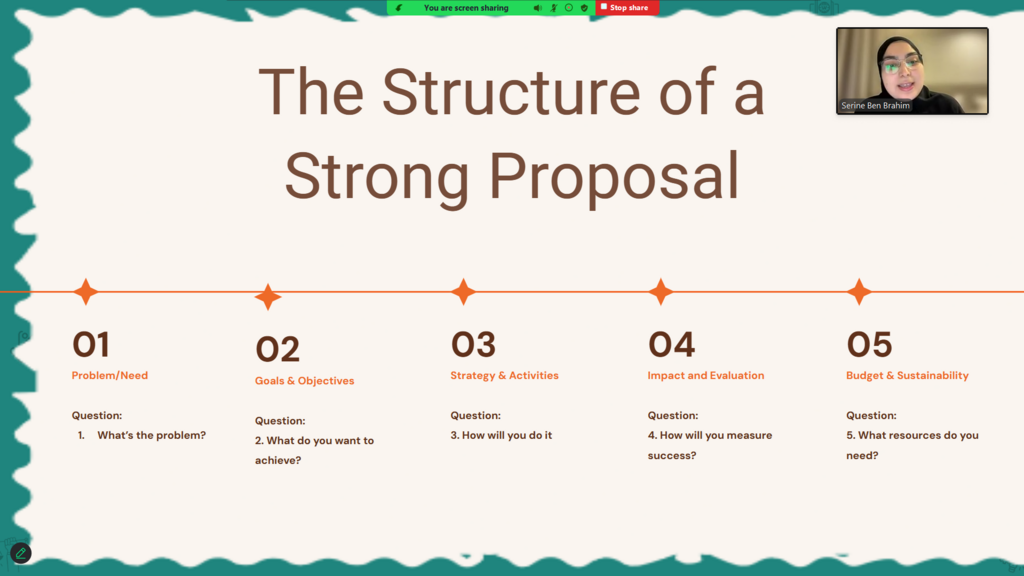
3. The Market: Who are your customers, and how many of them are out there? This is where you show the potential scale of your business. Investors want to see that you are targeting a large and ideally growing market. Use data to show the size of the opportunity, often referred to as the Total Addressable Market (TAM).
4. The Team: An idea is only as good as the people who execute it. Introduce your core team. Highlight their relevant experience and explain why they are the perfect group to solve this problem and build this company. Investors are often betting on the team as much as the idea.
5. The Financials: You need to show how your business will make money. This section should include simple, high-level financial projections. You don’t need a complicated spreadsheet, but you should show that you've thought about your business model, key expenses, and potential revenue for the next 3-5 years. This demonstrates that you have a plan for turning your idea into a profitable venture.
Ready to test your knowledge? Let's see what you've learned about pitch decks.
What is the primary goal of a pitch deck when presenting to investors?
When presenting your solution, it's best to use complex technical jargon to show your expertise.
A great pitch deck is a powerful tool. By focusing on these core components, you can create a compelling story that captures attention and opens the door to your next big opportunity.