Pipe Corrosion Principles and Prevention
Introduction to Pipe Corrosion
What is Pipe Corrosion?
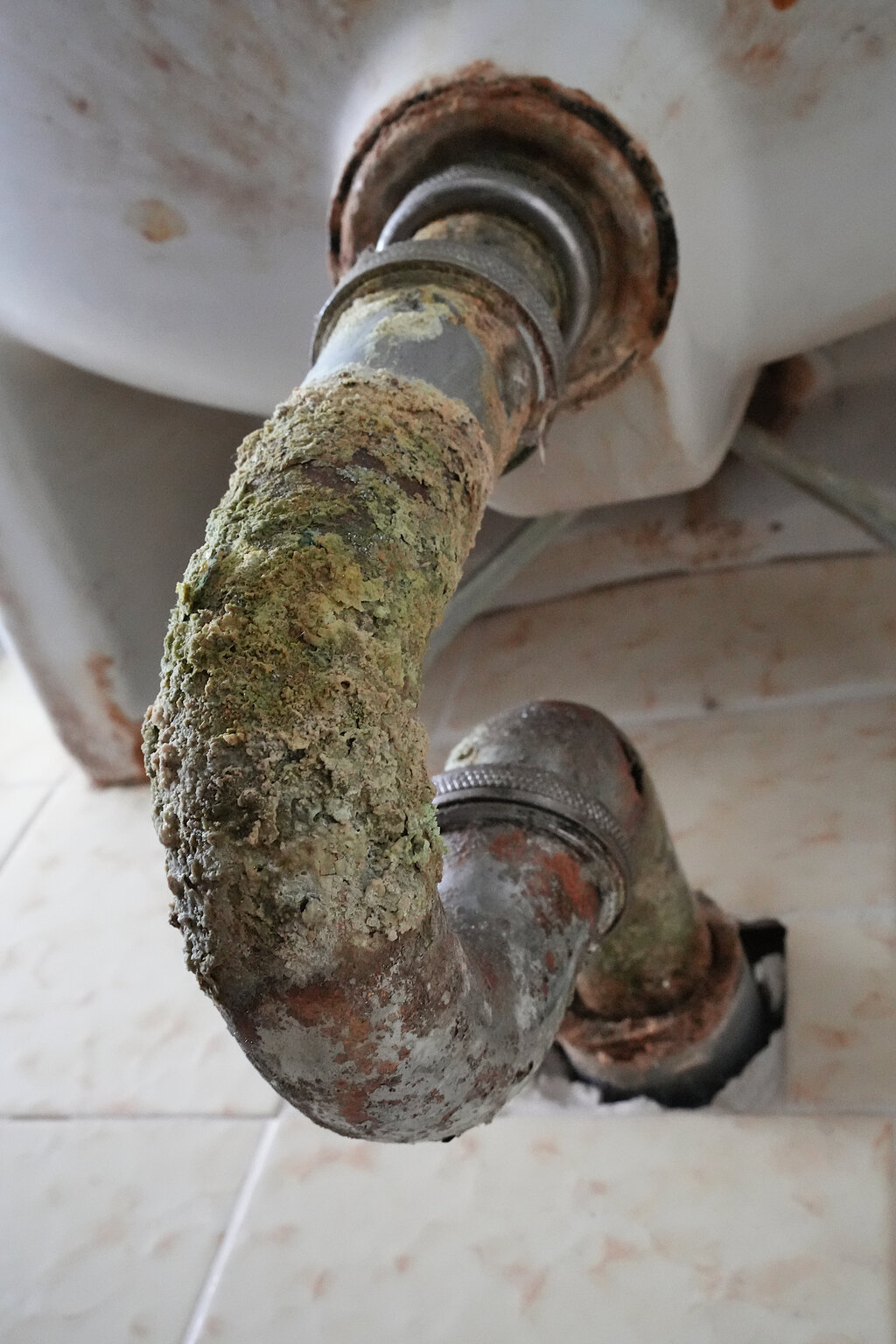
If you’ve ever seen rust on a car, a bike chain, or an old nail, you’ve seen corrosion in action. It’s the natural process where a refined metal tries to return to its more stable, original state, like an ore. For pipes, this process is a slow but relentless attack that can weaken structures, contaminate fluids, and lead to costly leaks and failures.
Corrosion affects pipes everywhere, from the plumbing in your home to the massive pipelines that transport water, oil, and gas across countries. It’s a silent problem that can cause everything from discolored tap water to major industrial accidents. Understanding why it happens is the first step to preventing it.
The Science of Decay
At its heart, corrosion is an electrochemical process. It's like a tiny, unwanted battery forming on the surface of the metal. For this battery to work, it needs four key components.
- Anode: The spot where the metal corrodes and loses electrons.
- Cathode: The spot that accepts the electrons from the anode.
- Electrolyte: A liquid (like water) that can conduct ions and connects the anode and cathode.
- Metallic Path: The pipe itself, which provides a path for the electrons to flow from the anode to the cathode.
When all four components are present, the process begins. Metal atoms at the anode give up electrons and become positively charged ions, dissolving into the electrolyte. The freed electrons travel through the metal to the cathode, where they are consumed in a chemical reaction. This continuous cycle is what we see as corrosion.
Where Corrosion Thrives
Corrosion doesn't happen at the same rate everywhere. The environment surrounding a pipe plays a huge role, mainly by determining how good of an electrolyte is available.
Water is the most common electrolyte. Pure water is a relatively poor conductor, but the water in pipes is rarely pure. It contains dissolved salts, minerals, and gases like oxygen, all of which make it a much better electrolyte and speed up corrosion. This is why saltwater is significantly more corrosive than freshwater.
For buried pipes, the soil is the electrolyte. Soil's corrosiveness depends on factors like moisture content, pH, and the amount of dissolved salts. Wet, low-resistance soils are typically the most aggressive.
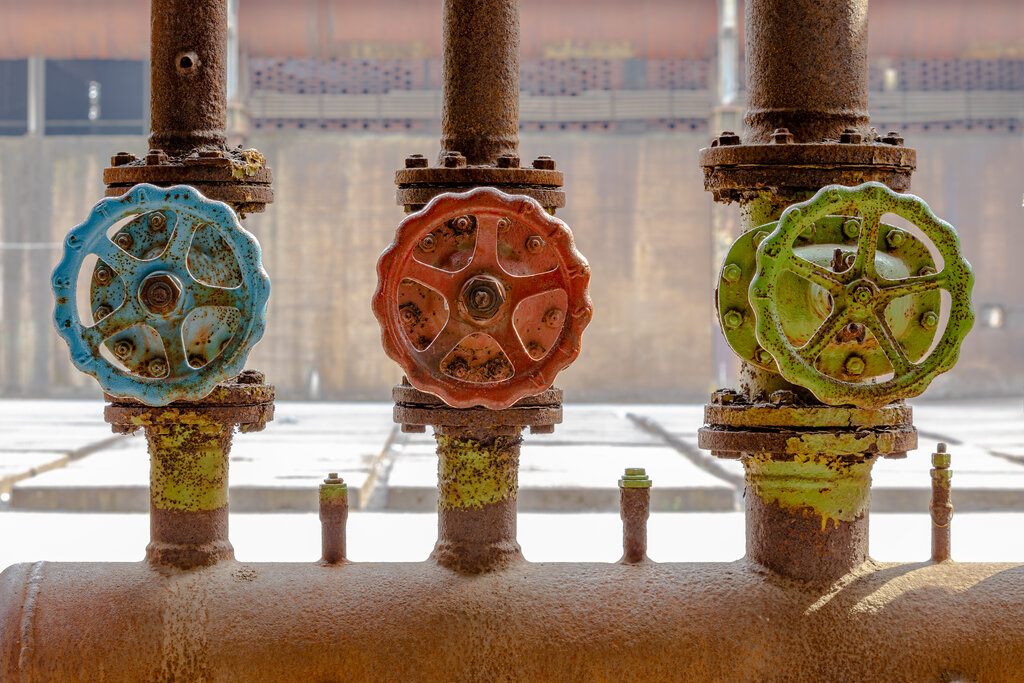
Pipes exposed to the atmosphere also face threats. Moisture from rain, fog, or humidity acts as the electrolyte. The process is accelerated in coastal areas due to airborne salt spray, and in industrial zones where air pollutants like sulfur compounds can create acidic conditions.
Now that you understand the basic ingredients for corrosion, let's test your knowledge.
Corrosion is the natural process where a refined metal...
For the electrochemical process of corrosion to occur, four components are needed. Which of the following is NOT one of them?
Understanding these fundamentals is the foundation for learning how to combat and control corrosion in any system.