Pilates Teacher Certification
Pilates Principles
The Heart of the Method
Pilates is more than a series of exercises. It's a method of movement built on six core principles. Think of them as the foundation. Without them, you're just going through the motions. With them, you unlock the real power of the practice.
Understanding the principles is fundamental to any Pilates workout and is the difference between getting the most out of your routine and just doing a series of exercises.
These principles work together in every single exercise, from the most basic mat work to advanced reformer routines. Let's break them down one by one.
Concentration and Control
The first two principles, concentration and control, are deeply connected. Concentration is about bringing your full attention to the task at hand. You're not thinking about your grocery list; you're focused entirely on your body and how it's moving. This mind-body connection is essential.
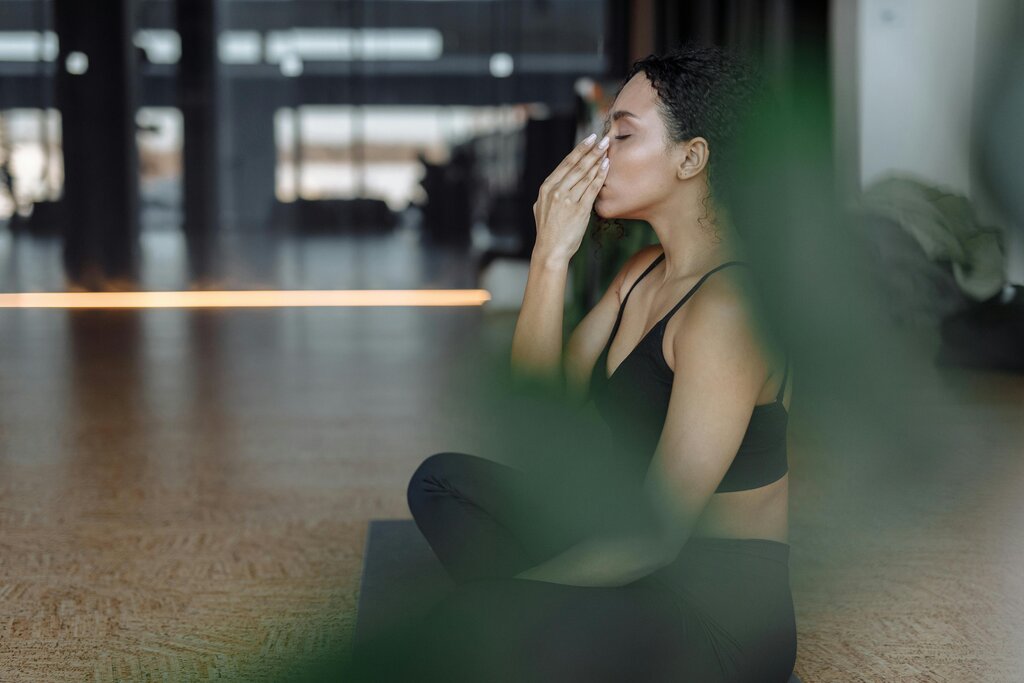
This focus allows for control. In fact, Joseph Pilates originally called his method “Contrology.” The goal is to perform every movement with deliberate, muscular control, avoiding momentum or sloppy execution. You guide your muscles through the entire range of motion, which is what builds deep, functional strength and prevents injury.
Each exercise in Pilates should be performed with as much control as possible.
Centering and Flow
Centering means bringing your awareness to the core of your body. In Pilates, this is called the “powerhouse.” It includes your abdominal muscles, lower back, hips, and buttocks. Every movement in Pilates should originate from this strong, stable center and flow outward to the limbs.
This leads directly to flow. Pilates exercises are not meant to be rigid or static. They should be fluid, graceful, and smooth. You transition seamlessly from one movement to the next, creating a rhythm and flow that feels almost like a dance. This builds stamina and coordination.
Precision and Breathing
Precision is about quality over quantity. It's better to do one exercise perfectly than ten with poor form. Every movement has a purpose, every alignment is important, and every detail matters. This focus on precision ensures you're working the correct muscles and getting the maximum benefit from each exercise.
In Pilates, how you move is more important than how much you move.
Finally, we have breathing. Proper breathing is the engine that drives the movement. In Pilates, you are taught to breathe deeply and fully, coordinating your breath with each exercise. Typically, you inhale to prepare for a movement and exhale as you exert the effort. This technique oxygenates your muscles, helps you engage your core, and releases tension.
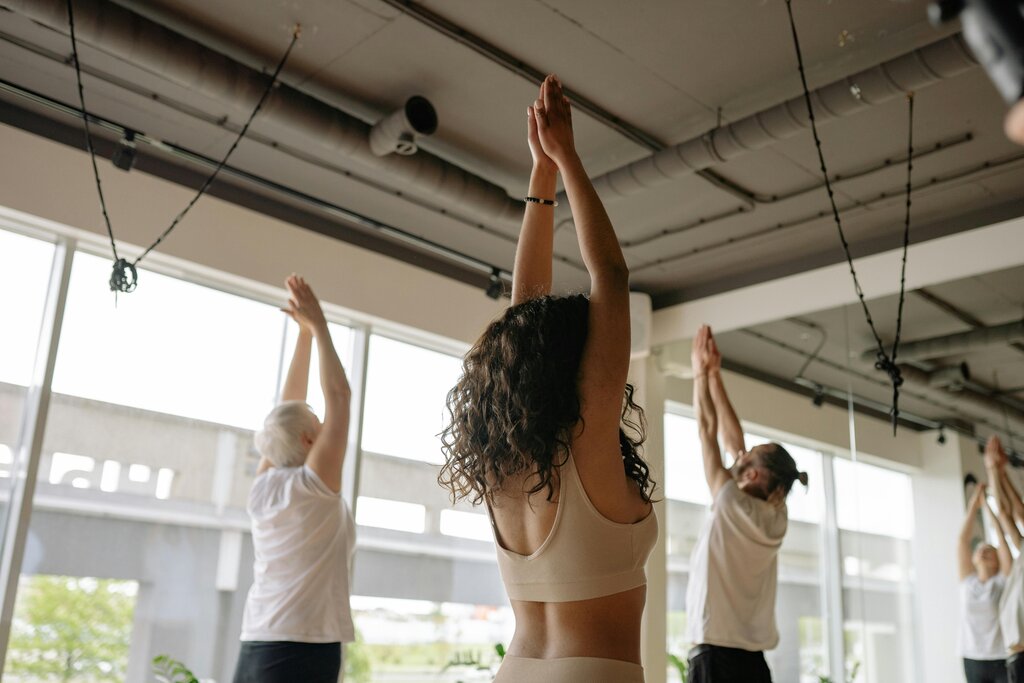
These six principles are woven into every aspect of Pilates. By focusing on them, you transform your workout from a simple physical routine into a mindful practice that strengthens the body and focuses the mind.
What was the original name Joseph Pilates gave to his method of exercise?
In Pilates, the principle of 'Centering' focuses on the 'powerhouse'. Which group of muscles does the powerhouse primarily include?
By keeping these principles in mind, you'll build a strong and effective Pilates practice from the ground up.