Pilates Method Fundamentals
Introduction to Pilates
The Origins of Pilates
Pilates was developed by a man named Joseph Pilates in the early 20th century. Born in Germany in 1883, he was a sickly child who dedicated his life to improving his physical strength. He became an accomplished gymnast, diver, and boxer, studying both Eastern practices like yoga and Western forms of exercise.
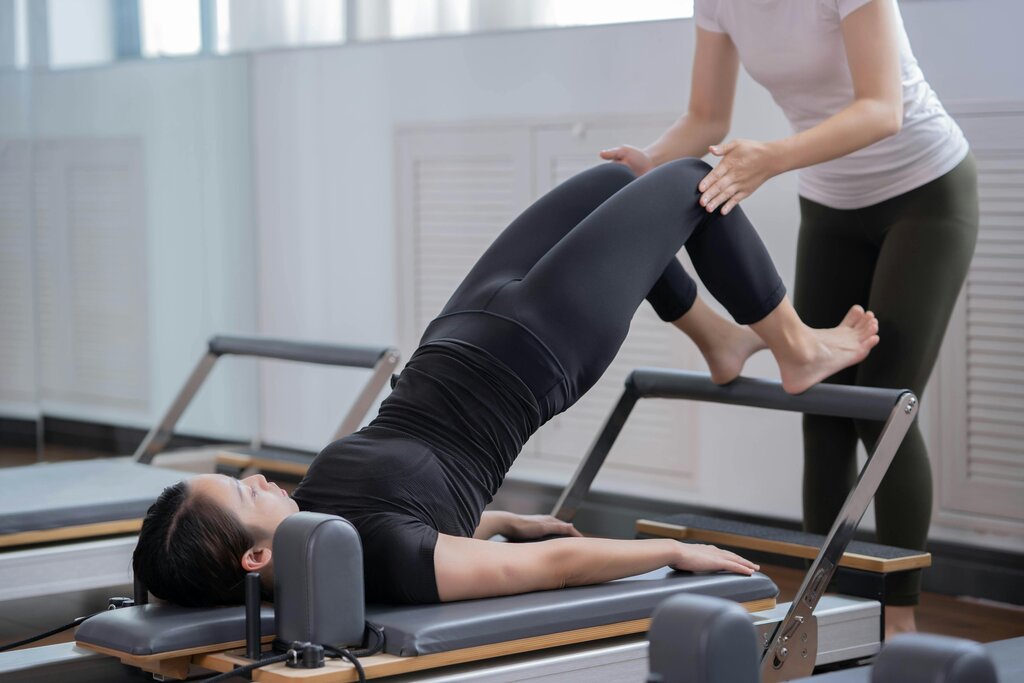
During World War I, while interned in England, he began developing his method of physical fitness. He attached springs to hospital beds, allowing bedridden patients to exercise against resistance. This was the forerunner to the equipment used today. He originally called his system “Contrology,” emphasizing the mind’s control over the body’s muscles.
More Than Just a Workout
The core philosophy of Pilates isn't about pushing through pain or exhausting your muscles. Instead, it’s about performing movements with intention and precision. The goal is to create a uniformly developed body with a strong core, or what Joseph Pilates called the “powerhouse.”
This powerhouse includes the muscles of your abdomen, lower back, hips, and buttocks. By strengthening this central area, you create a stable foundation for all movement. Pilates operates on several key principles: concentration, control, centering, flow, precision, and breathing. Each exercise is a lesson in coordinating these elements.
In Pilates, the quality of your movement is more important than the quantity.
powerhouse
noun
The group of muscles in the center of the body, including the abdomen, lower back, hips, and buttocks, that provides core strength and stability.
The Mind-Body Connection
Pilates is often described as a form of moving meditation. It demands your full attention. To perform the exercises correctly, you must focus on your breath, your body’s alignment, and the specific muscles you are working. This intense concentration builds a powerful connection between your mind and body.
You learn to listen to your body and move with awareness. This doesn’t just improve your physical fitness; it can also reduce stress and increase mental clarity. The focus required leaves little room for your mind to wander to daily worries.
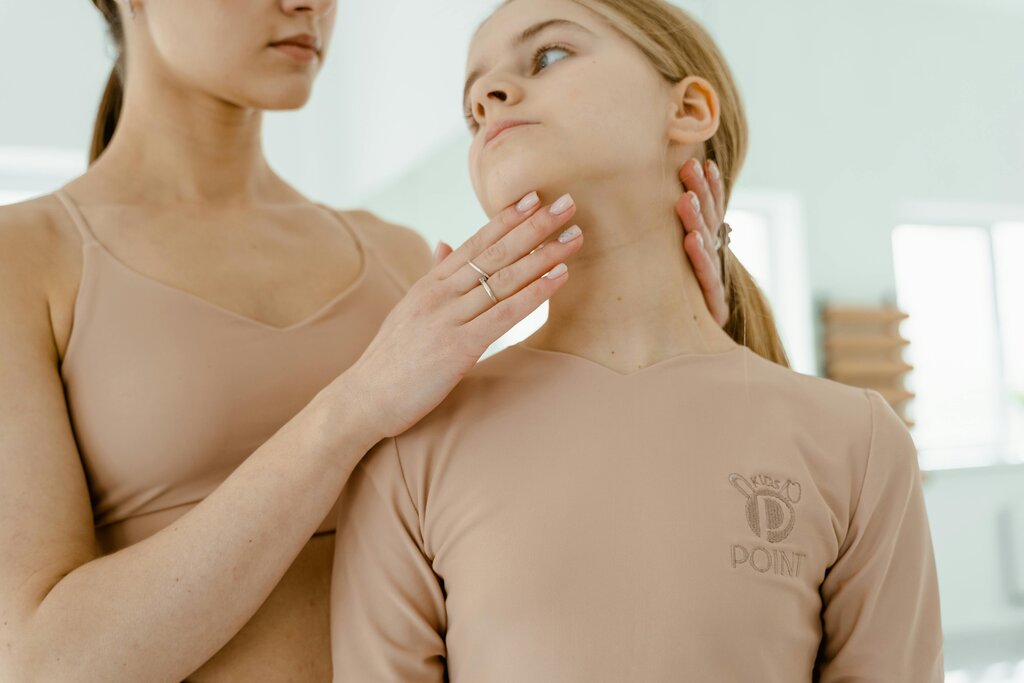
By mastering the connection between thought and action, you gain control over your body in a way that translates beyond the studio. Proper alignment and form are not just suggestions; they are the foundation of the entire method.
Effectiveness of Pilates is dependent on proper form and body alignment.
Ready to check your understanding of these core concepts?
What was the original name Joseph Pilates gave to his fitness system?
In Pilates, the term "powerhouse" refers to which group of muscles?
Now that you have a solid grasp of the history and philosophy behind Pilates, you’re ready to explore the specific principles that guide every movement.