Pilates Fundamentals
Introduction to Pilates Principles
The Six Principles of Pilates
Pilates is more than a workout; it's a method of movement and a practice of body awareness. At its heart are six guiding principles. These aren't just rules to follow. They are the essence of the practice, transforming simple exercises into a powerful mind-body discipline. When you integrate these ideas into your movements, you unlock the full benefits of Pilates, building strength and control from the inside out.
In Pilates the way that exercises are done is most of the time more important than the exercises themselves.
Finding Your Center
The first principle is Centering. Think of your core as the powerhouse of your body. This includes your abdomen, lower back, hips, and glutes. In Pilates, every movement begins from this strong, stable center and flows outward to the limbs. It's like the trunk of a tree, providing a solid foundation from which the branches can extend and move freely.
By focusing on your center, you develop a deep, internal strength that supports your entire body. This not only improves your posture but also makes your movements more efficient and powerful, both in the studio and in daily life.
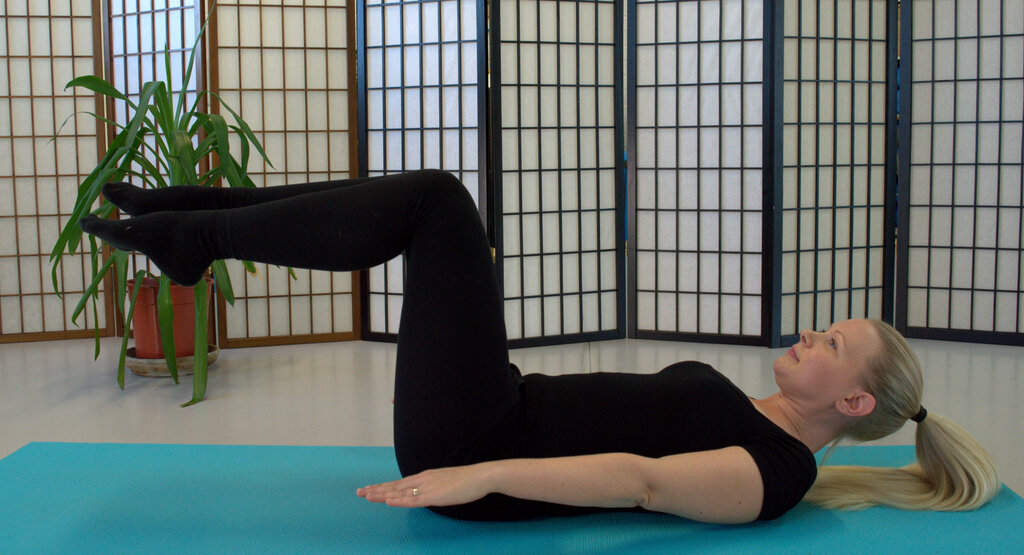
Next is Concentration. To get the most out of each exercise, you must be fully present. Pay attention to your body, your alignment, and how each movement feels. This mind-body connection is crucial. It turns the workout into a moving meditation, where you are intensely aware of every muscle and motion. This focus ensures you perform the exercises correctly and safely.
Moving with Intention
Once you're centered and focused, you can apply Control. Pilates is the opposite of jerky, haphazard exercise. Every movement is deliberate, slow, and controlled. You are in charge of your body, not momentum. This careful execution builds deep muscle strength and stability, protecting your joints from strain.
Hand-in-hand with control is Precision. Every movement has a purpose and a proper form. Alignment is key. Where are your hands? How are your shoulders positioned? Is your spine straight? Precision is about quality over quantity. A few well-executed movements are far more effective than many sloppy ones.
Think about how you move, not just that you're moving. Each exercise is an opportunity to refine your body's alignment and awareness.
Breath and Flow
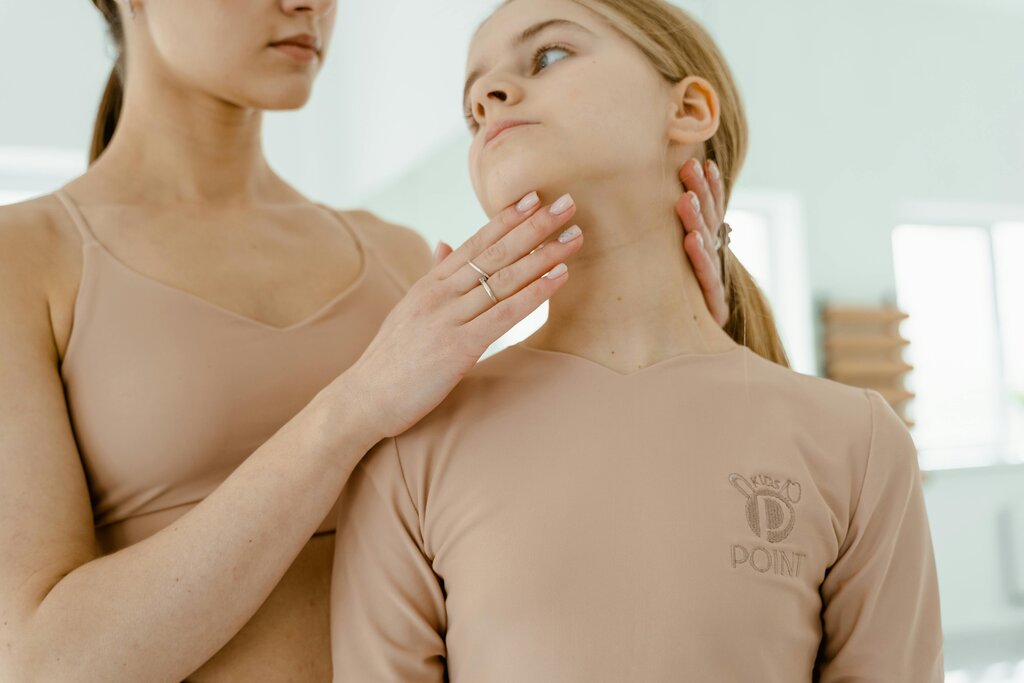
The final two principles, Breath and Flow, tie everything together. In Pilates, breathing is intentional and coordinated with movement. Typically, you inhale to prepare for a movement and exhale as you execute the most strenuous part. This technique helps engage your core muscles and supplies oxygen to your body, preventing you from holding your breath and creating tension.
Breathing is extremely important in Pilates.
Flow is the smooth, graceful quality that connects one movement to the next. Pilates exercises are not meant to be static poses. Instead, they should transition seamlessly, creating a continuous, flowing workout. This builds stamina and coordination, making your movements appear effortless and elegant.
Mastering these six principles takes practice, but they are the foundation for a safe and effective Pilates journey. They transform the exercises from a simple physical routine into a holistic practice that strengthens the body and focuses the mind.
Time to review what you've learned about these core ideas.
According to the principle of Centering, what is considered the body's "powerhouse" from which all movements should originate?
Which principle emphasizes deliberate, slow movements over using momentum?