Pig Farming Essentials
Pig Breeds
Choosing Your Breed
Not all pigs are created equal. Just like with dogs or cattle, different pig breeds have been developed over centuries for specific traits. Some grow incredibly fast, while others are prized for the rich flavor of their meat. Some thrive outdoors on pasture, and others are better suited to indoor systems.
Choosing the right breed is one of the first and most important decisions you'll make. It sets the foundation for your entire operation. Your choice will depend on your goals, your environment, and your target market. Are you aiming for the fastest possible growth, or are you focused on producing premium pork for a niche market? Let's break down the most common options.
Commercial Powerhouses
The majority of pork you find in a typical grocery store comes from a handful of highly productive, commercial breeds. These pigs are the result of intense genetic selection for rapid growth, feed efficiency, and lean muscle. They are the backbone of the modern pork industry for good reason.
The American Yorkshire is a classic example. You can recognize them by their all-white coats and upright ears. They are famous for their maternal qualities. Sows are excellent mothers, producing large litters and plenty of milk. Because of this, they are often used as the maternal line in crossbreeding programs.
The Duroc, a solid red pig with droopy ears, is known for something else entirely: meat quality. They are muscular, grow quickly, and have a higher degree of marbling (intramuscular fat) than many other lean breeds, which translates to more tender and flavorful pork.
Then there’s the Hampshire, easily identified by its black body and distinct white belt that covers its front legs and shoulders. Hampshires are prized for producing lean, muscular carcasses with very little waste. They are often crossbred with other breeds to improve meat yield.
| Breed | Origin | Key Characteristics | Best For |
|---|---|---|---|
| Yorkshire | England | White, erect ears, large litters | Maternal traits, crossbreeding |
| Duroc | United States | Red, drooping ears, good marbling | Meat quality, fast growth |
| Hampshire | England | Black with a white 'belt', very lean | High muscle, low-fat carcasses |
| Landrace | Denmark | White, long body, droopy ears | Bacon, maternal traits |
These breeds, and crosses between them, are workhorses. They perform predictably and efficiently in controlled environments, making them ideal for large-scale commercial farming. However, they may not be the best fit for every situation, especially for farmers looking to raise pigs on pasture or who value different traits.
Heritage and Flavor
Heritage breeds are traditional livestock breeds that were raised by farmers before the rise of industrial agriculture. While they might not grow as fast or as lean as their commercial cousins, they often possess other valuable traits like hardiness, foraging ability, and, most notably, exceptional flavor.
The Berkshire is a star in the culinary world. This black pig with white points (on its feet, nose, and tail) is one of the oldest identifiable breeds. Its meat is renowned for its dark color, rich flavor, and tenderness, making it a favorite among high-end chefs. Berkshires are also known for being hardy and well-suited to outdoor production.
Another popular heritage choice is the Tamworth. Often called the "bacon hog," this red, long-snouted pig is an active forager. They are tough, adaptable animals that do very well in pasture-based systems. They produce a leaner carcass than the Berkshire, with firm meat and excellent bacon.
For smaller farms, the American Guinea Hog is an excellent option. These are smaller, black pigs that are extremely gentle and easy to manage. They thrive on pasture and can get much of their nutrition from foraging, which can help reduce feed costs. Their smaller size makes them a perfect fit for homesteaders or direct-to-consumer sales.
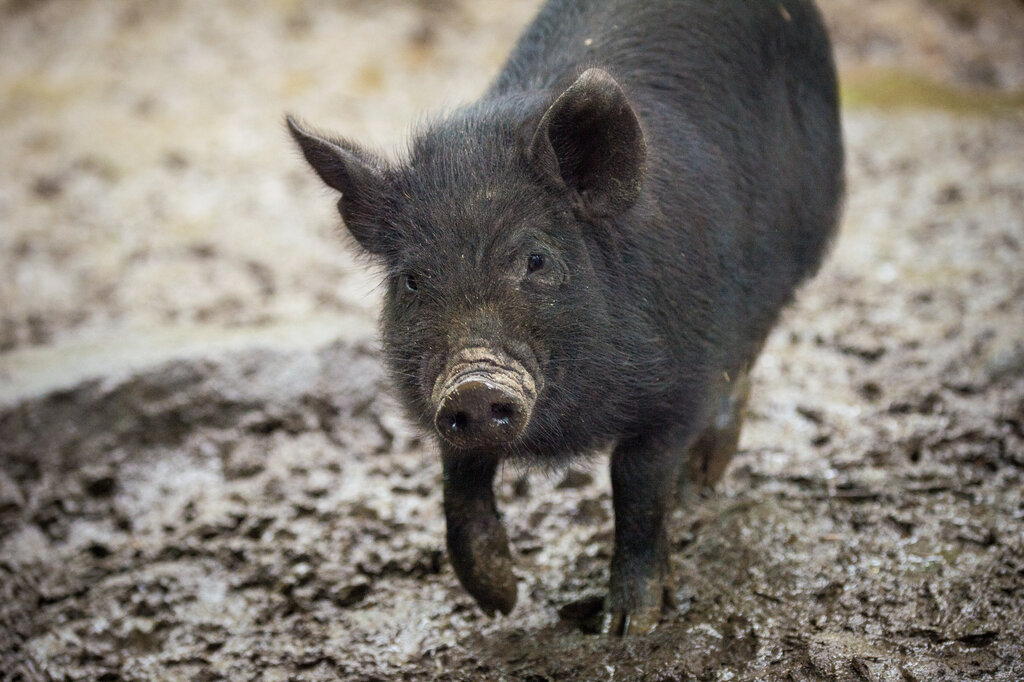
The choice often comes down to a trade-off: Commercial breeds offer speed and volume, while heritage breeds provide hardiness and superior flavor.
Making the Right Choice
So, how do you decide? The first step is to clearly define your goals. Your answers to a few key questions will point you toward the right type of pig.
What's your market? If you plan to sell pork at a local farmers market or to restaurants, a heritage breed with a great story and exceptional flavor like the Berkshire could be a smart choice. If you're selling into the commodity market where volume and leanness are key, a commercial crossbreed is likely the better option.
What's your setup? If you have acres of pasture or woodland, a hardy foraging breed like the Tamworth will thrive. If you plan to raise your pigs in a barn or a more controlled setting, commercial breeds that are bred for that environment will perform more consistently.
What's your experience level? Some breeds are more docile and easier to handle than others. For a first-time pig farmer, a gentle breed like the American Guinea Hog might be a less intimidating starting point.
Crossbreeding is also a very common strategy. By crossing two different purebred pigs, you can combine the desirable traits of both parents. A common cross is a Yorkshire sow with a Duroc boar. This produces offspring that benefit from the Yorkshire's maternal strengths (leading to more pigs per litter) and the Duroc's excellent growth and meat quality.
Which commercial pig breed is all-white with upright ears and is highly valued for its maternal qualities, such as producing large litters and providing ample milk?
A high-end restaurant is looking for pork known for its rich flavor, dark color, and excellent tenderness. Which heritage breed would be the best fit for their menu?
Selecting a breed isn't just a practical decision; it connects you to a long history of agriculture. Whether you choose a modern, efficient breed or help preserve a rare heritage line, understanding their unique characteristics is the key to success.