Piedmont Wines Vinitaly Level
Introduction to Piedmont Wines
At the Foot of the Mountains
Piedmont, or Piemonte in Italian, literally means “foot of the mountain.” This name perfectly captures the geography of this prestigious wine region in northwest Italy. It's almost entirely surrounded by the towering Alps to the north and west and the Apennine Mountains to the south. This dramatic landscape isn't just for show; it's the key to the region's winemaking success.
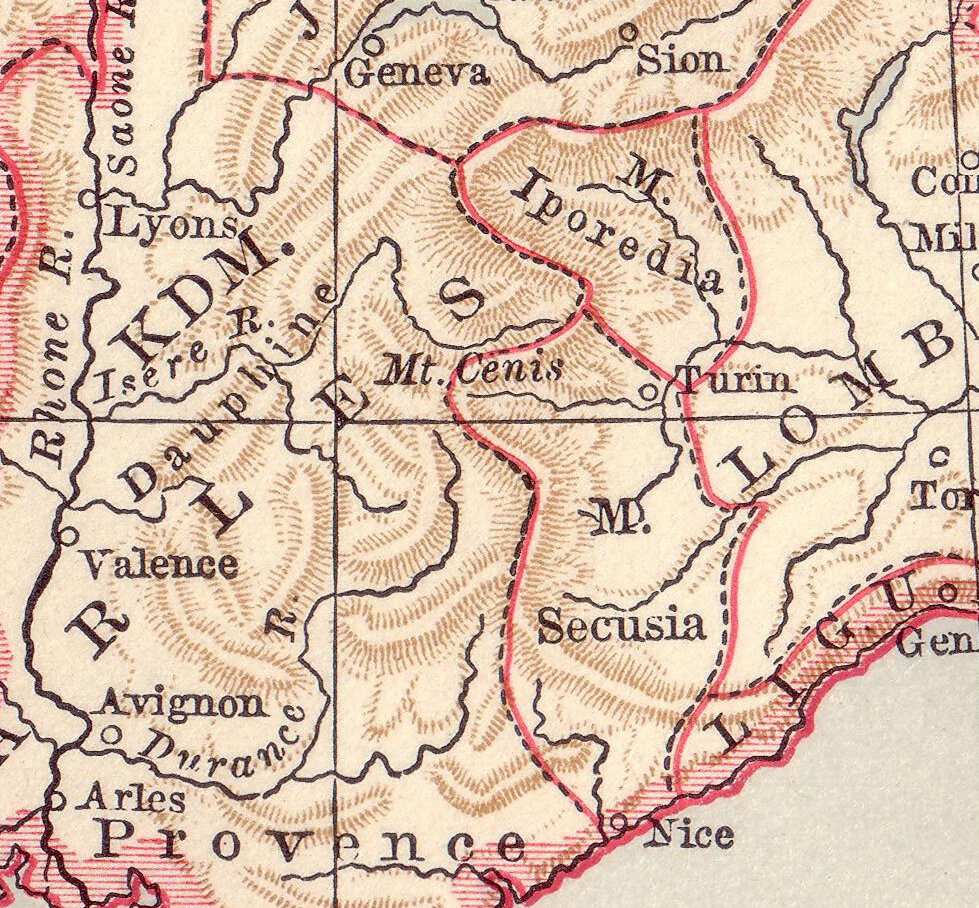
The mountains shield the vineyards from harsh northern winds and create a rain shadow effect, leading to drier conditions ideal for viticulture. The region is a patchwork of rolling hills, with vineyards planted at various altitudes and exposures. This diverse terrain creates countless microclimates, allowing different grape varieties to thrive in specific locations.
A Climate of Fog and Sun
Piedmont has a continental climate with cold, snowy winters and warm, dry summers. The significant temperature swings between day and night during the growing season are crucial. This diurnal shift helps the grapes develop complex aromas and maintain their acidity, a hallmark of Piedmontese wines.
One of the most distinctive features of the autumn climate is the thick morning fog, or nebbia. It settles in the valleys and lower hillsides, delaying the sun's warming effect. This slow, gentle ripening process is particularly important for the region's most famous grape, Nebbiolo, which is named after this very fog.
The Noble Grapes
While dozens of grape varieties are grown in Piedmont, a few stand out as the undisputed stars of the region. The focus here has long been on native grapes that express the unique character of the local terroir.
The most celebrated red grape is Nebbiolo. It's a demanding, late-ripening variety that produces powerful, aromatic wines with high tannins and acidity, capable of aging for decades.
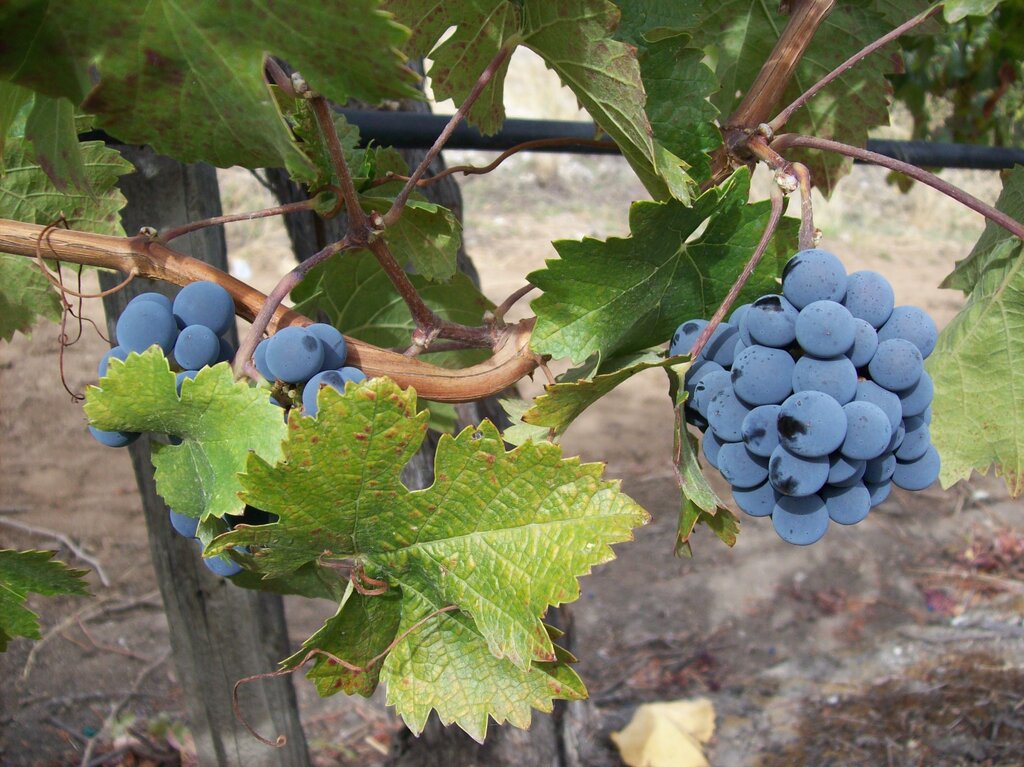
The other two key red grapes are Barbera and Dolcetto. Barbera is the most widely planted grape in Piedmont, known for its deep color, low tannins, and high acidity, making it a versatile food wine. Dolcetto, meaning “little sweet one,” is not sweet at all but produces soft, fruity red wines with low acidity that are meant to be enjoyed young.
On the white wine side, Piedmont is famous for Arneis and Cortese. Arneis produces aromatic, full-bodied white wines with notes of pear and apricot. Cortese is the grape behind the well-known Gavi wines, celebrated for their crisp acidity and notes of citrus and green apple.
| Grape | Color | Key Characteristics |
|---|---|---|
| Nebbiolo | Red | High tannin, floral, complex |
| Barbera | Red | High acidity, cherry, versatile |
| Dolcetto | Red | Low acidity, dark fruit, soft |
| Arneis | White | Aromatic, pear, full-bodied |
| Cortese | White | High acidity, citrus, crisp |
Understanding these core grapes is the first step to exploring the diverse and delicious world of Piedmont wines. Each one tells a different story about the region's unique hills and climate.