Piano Fundamentals
Proper Posture and Hand Positioning
Your Foundation at the Piano
Before you play a single note, the way you sit at the piano sets the stage for everything that follows. Good posture isn't about looking formal; it's about efficiency and control. Think of it like an athlete's stance or a dancer's form. A solid foundation lets you move freely, play with power, and avoid discomfort or injury down the road.
Proper hand position and posture are foundational elements of piano technique that directly impact your playing ability, comfort, and long-term health as a pianist.
Your body is the engine behind the music. A relaxed, aligned posture allows energy to flow from your back and shoulders, through your arms, and into your fingertips without any tension getting in the way.
Your Body at the Bench
First, let's get you seated correctly. Your piano bench is more than just a place to sit. Its position and height are critical.
Start by sitting on the front half of the bench. This encourages an active, engaged posture rather than slumping back. Your spine should be straight but not rigid, and your shoulders should be down and relaxed, away from your ears.
Now, check your feet. They should be flat on the floor, about shoulder-width apart. This provides stability. If your feet don't reach the floor, especially for younger players, use a small footstool. Dangling feet can create tension and throw off your balance.
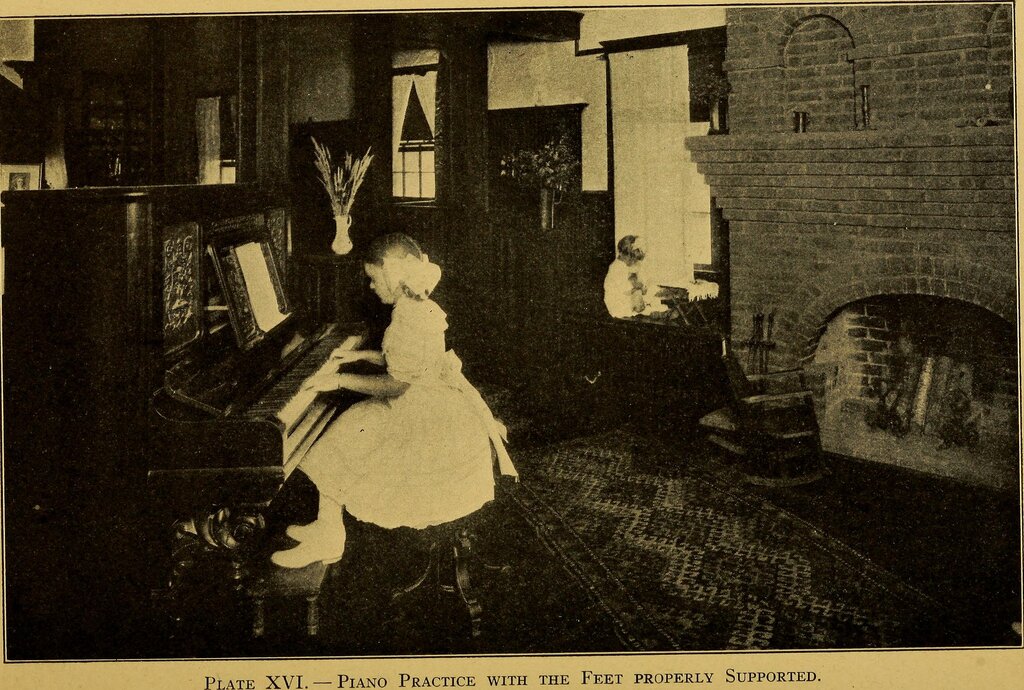
The final piece of the puzzle is bench height. When you place your hands on the keys, your forearms should be roughly parallel to the floor. If your bench is too low, your wrists will bend upward. If it’s too high, they’ll droop down. Most benches are adjustable, so take a moment to find the height that’s right for you.
Shaping Your Hands
With your body aligned, let's turn to your hands. Your hands should be relaxed and naturally curved, as if you were holding a small ball. Let your arms hang loosely at your sides, and notice the gentle curve your fingers make. That’s the shape you want to bring to the keyboard.
Never play with flat fingers. Always maintain a gentle curve. This gives you more control and a cleaner sound.
Your knuckles should form a gentle arch, making them the highest point of your hand. Your fingertips, not the flat pads, should make contact with the keys. This allows for precise, nimble playing.
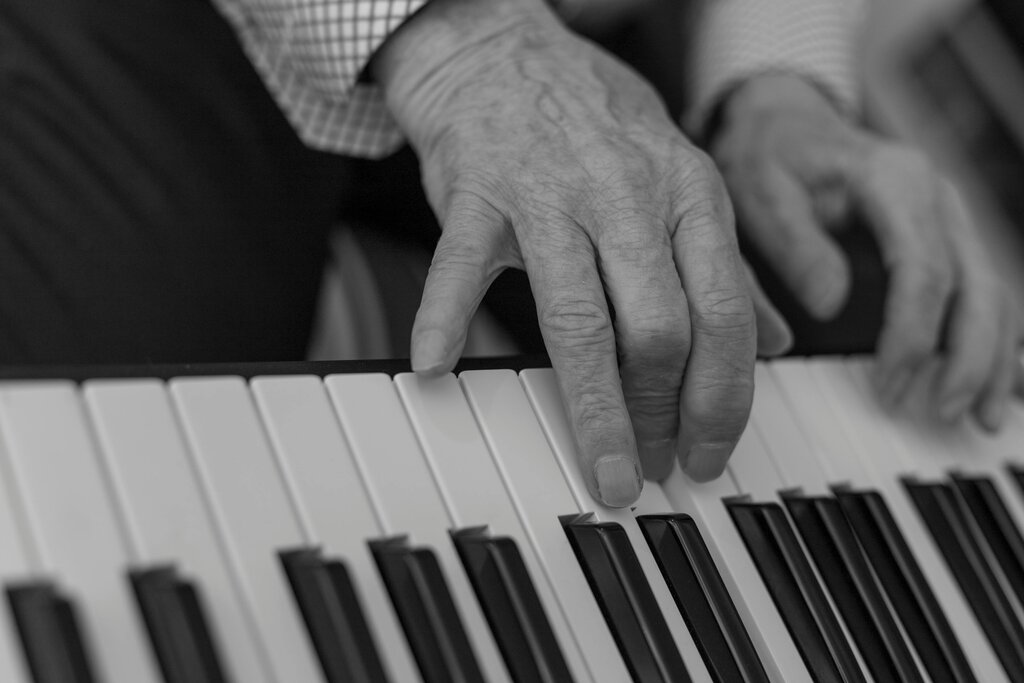
Finally, consider your wrists. They should be level with your forearms or very slightly raised, but never dropped below the level of the keys. A dropped wrist creates tension and blocks the flow of energy from your arm. Think of your arm and hand as a single, connected unit, with a flexible, supportive wrist acting as a bridge.
This all might feel like a lot to remember at first. But by establishing these habits early, you build a physical foundation that will support your playing for years to come, making everything easier, more comfortable, and more expressive.