Phytochemicals Targeting Cancer
Introduction to Phytochemicals
What Are Phytochemicals?
Plants don't have claws, teeth, or the ability to run away from danger. Instead, they produce a vast arsenal of chemical compounds to protect themselves, attract helpful allies like pollinators, and compete with other plants. These compounds are called phytochemicals.
phytochemical
noun
A bioactive compound produced by a plant.
The name comes from the Greek word phyto, meaning “plant.” Think of them as a plant's personal toolkit. Some phytochemicals give fruits and vegetables their vibrant colors, like the deep red of a beet or the bright orange of a carrot. Others create distinct aromas and flavors, from the sharp taste of garlic to the fresh scent of mint.
In the plant, these compounds serve critical roles. They can act as a natural pesticide to ward off insects, a sunscreen to protect against UV radiation, or an antibiotic to fight off bacterial infections. They are essential for the plant's survival and interaction with its environment.
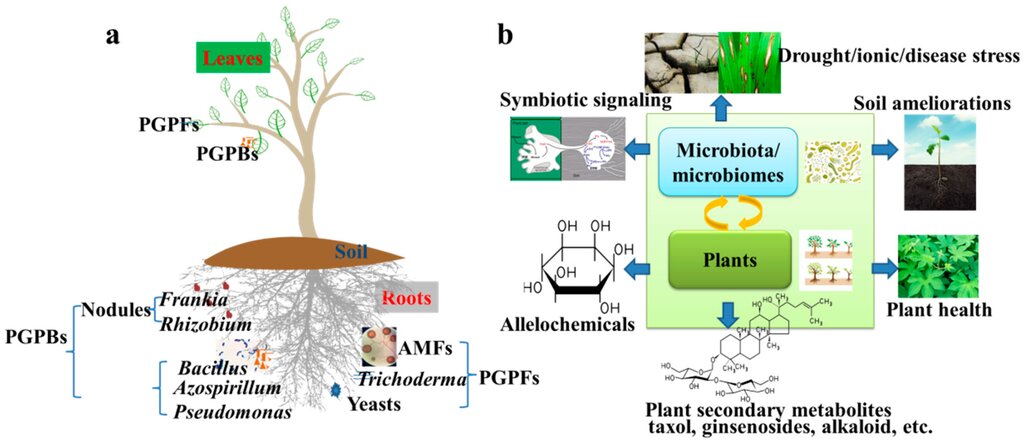
When we eat plants, we consume these phytochemicals. For us, they aren't essential nutrients like vitamins or minerals that we need to survive. However, research shows they can have significant effects on our health, acting as antioxidants, reducing inflammation, and supporting our body's systems.
The Major Families
There are tens of thousands of different phytochemicals, so scientists group them into families based on their chemical structure. Understanding these main categories helps make sense of their diversity.
| Family | Primary Role in Plants | Found In |
|---|---|---|
| Flavonoids | Pigmentation (color), UV filtration, attracting pollinators | Berries, apples, onions, kale, tea, dark chocolate |
| Alkaloids | Defense against herbivores (often bitter tasting) | Coffee, tea, tomatoes, potatoes, eggplant |
| Terpenoids | Aromas, defense, plant hormones | Citrus fruits, pine trees, cannabis, thyme |
| Saponins | Defense against microbes and insects (can be soapy) | Quinoa, soy, chickpeas, spinach |
Each family contains thousands of individual compounds, and a single plant can contain hundreds of different phytochemicals from various families. This chemical diversity is a key reason why eating a wide variety of plant foods is so beneficial.
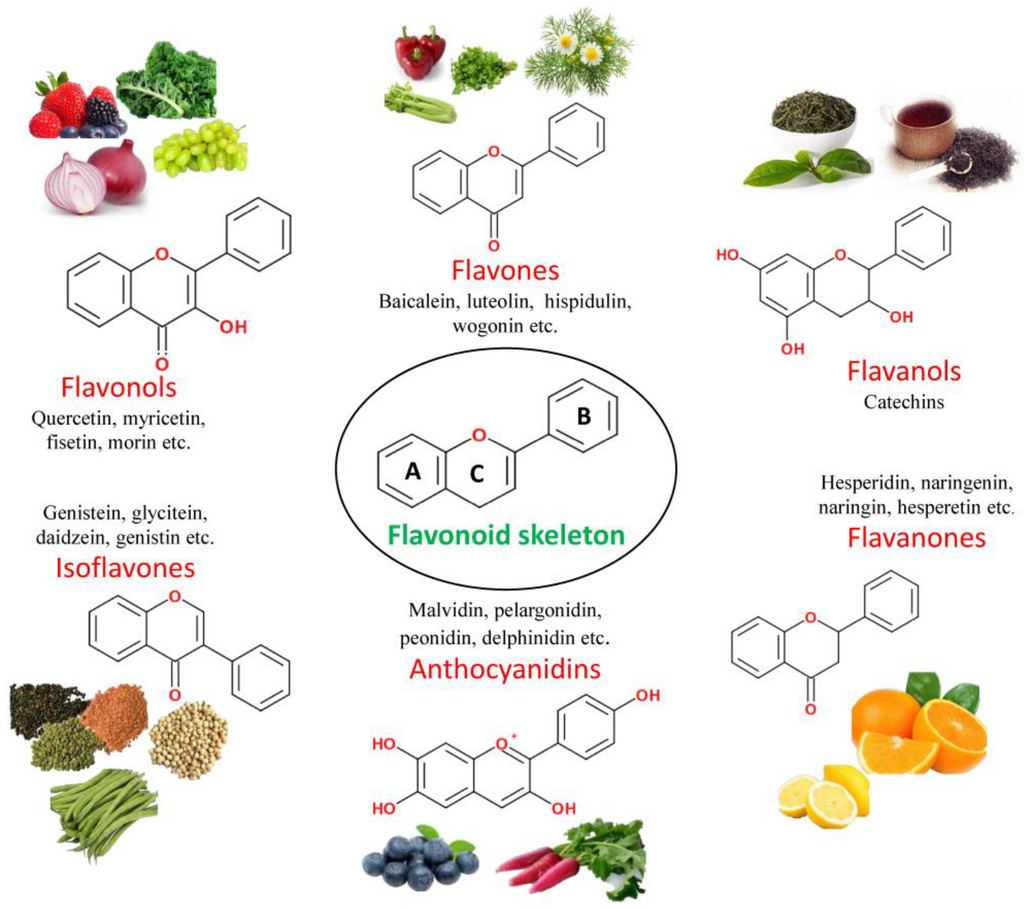
For example, flavonoids are one of the largest and most studied groups. They are largely responsible for the brilliant colors in flowers, fruits, and leaves, which help attract pollinating insects and birds.
Academics said that flavonoids, primarily found in plant-based foods, have a range of health benefits, including antioxidant, anti-inflammatory and anti-cancer properties.
Alkaloids, on the other hand, are often used by the plant as a defense mechanism due to their bitter taste, which deters animals from eating them. Caffeine in a coffee bean and solanine in a potato are both well-known alkaloids.
This is just a glimpse into the vast world of these plant compounds. The key takeaway is that the plants we eat are filled with a complex mix of chemicals that do more than just provide basic nutrition.
Let's check your understanding of these foundational concepts.
What is the primary role of phytochemicals in a plant's life?
True or False: Phytochemicals are considered essential nutrients for human survival, similar to vitamins and minerals.
Now that we have a grasp on what phytochemicals are and their general roles, we can begin to explore how their unique properties are being studied for therapeutic use, particularly in the context of cancer.