Physiological Health Indicators Explained
Introduction to Physiological Indicators
Your Body's Dashboard
Think of your body like a car. It has a complex engine running under the hood, and you need a way to check if everything is working properly. A car's dashboard gives you crucial information at a glance: speed, fuel level, engine temperature. Your body has its own set of indicators that serve a similar purpose. These are called physiological indicators, or more commonly, vital signs.
These signals are called biomarkers, which are measurable indicators of how your body’s systems are functioning.
By measuring these vital signs, healthcare professionals can get a quick snapshot of your overall health. They establish a baseline of what's normal for you, which makes it easier to spot when something is wrong. Let's look at the four primary vital signs that make up this internal dashboard.
Body Temperature
Your body is constantly working to maintain a stable internal temperature, balancing the heat it generates from metabolic processes with the heat it loses to the environment. This measurement tells us how well that balancing act is going. The widely accepted average for normal body temperature is around 98.6°F (37°C), but it can vary slightly from person to person and throughout the day.
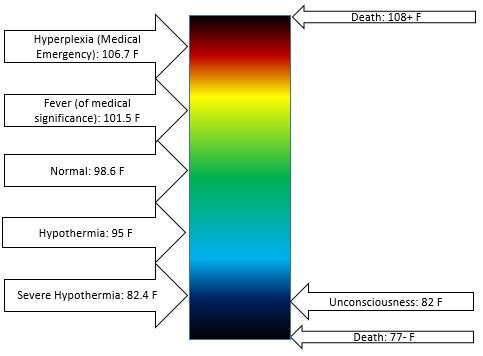
A significantly higher temperature, known as a fever, is often a sign that your body is fighting off an infection. Conversely, a temperature that drops too low, called hypothermia, can be just as dangerous. Factors like illness, intense exercise, or exposure to extreme hot or cold environments can all cause your temperature to shift.
Heart Rate
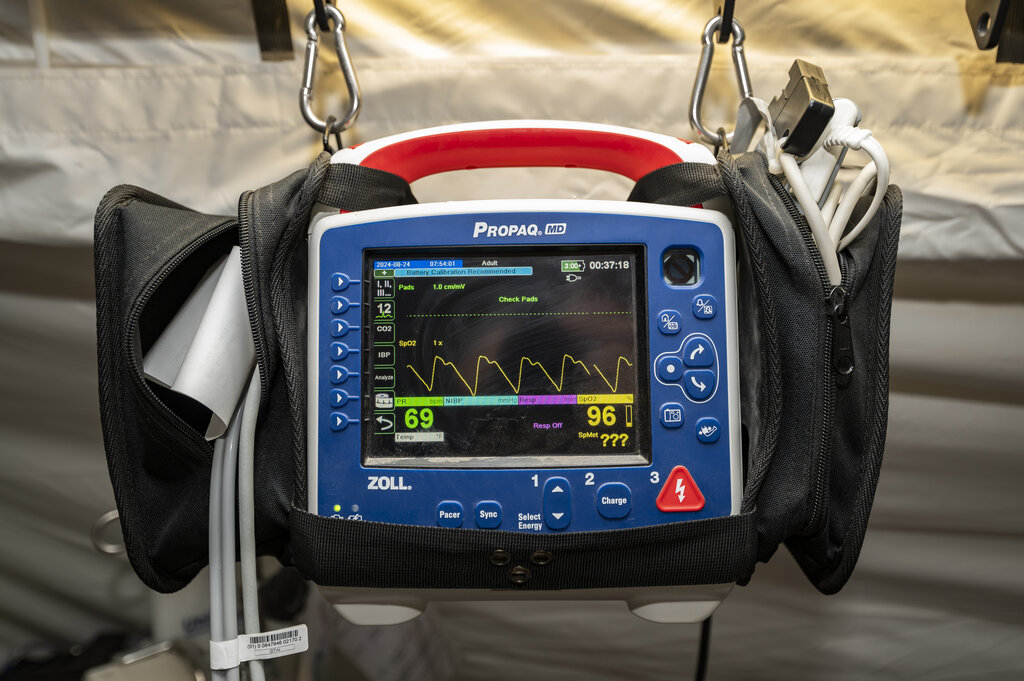
Your heart rate, or pulse, is the number of times your heart beats per minute (bpm). Each beat pumps oxygen-rich blood throughout your body, delivering fuel to your cells. You can easily feel your pulse on your wrist or the side of your neck. This simple count is a direct measure of how hard your heart is working.
heart rate
noun
The speed of the heartbeat measured by the number of contractions (beats) of the heart per minute (bpm).
For a resting adult, a normal heart rate typically falls between 60 and 100 bpm. However, this number is very dynamic. When you exercise, your muscles need more oxygen, so your heart beats faster to keep up. When you're relaxed or sleeping, it slows down. Stress, caffeine, and certain medications can also cause your heart rate to speed up or slow down.
Respiratory Rate & Blood Pressure
Respiratory rate is the number of breaths you take per minute. It's a vital sign that often goes unnoticed because we do it automatically. A resting adult typically takes between 12 and 20 breaths per minute. This rate increases with physical activity and can also be affected by medical conditions like asthma or anxiety.
Blood pressure is the force of blood pushing against the walls of your arteries. It's recorded as two numbers: systolic pressure (the top number) over diastolic pressure (the bottom number).
Systolic pressure measures the force when your heart beats, while diastolic pressure measures the force when your heart is at rest between beats.
A normal blood pressure reading is typically around 120/80 mmHg. It naturally fluctuates throughout the day, rising with exercise or stress and falling during rest. Persistently high blood pressure (hypertension) can put extra strain on your heart and blood vessels, while low blood pressure (hypotension) can cause dizziness or fainting.

Here is a quick reference for the normal ranges of these vital signs in a resting adult.
| Vital Sign | Normal Range (Resting Adult) |
|---|---|
| Body Temperature | 97°F to 99°F (36.1°C to 37.2°C) |
| Heart Rate | 60 to 100 beats per minute |
| Respiratory Rate | 12 to 20 breaths per minute |
| Blood Pressure | Less than 120/80 mmHg |
Your vitals are a personal dashboard, and understanding them is a key part of monitoring your health. Ready to check what you've learned?
What is the primary purpose of monitoring the four main vital signs?
In a blood pressure reading of 120/80 mmHg, the number '80' represents the diastolic pressure.
These four indicators provide a fundamental look into your body's current state, offering valuable clues about your well-being.