Physical Education's Role in Child Development
Introduction to Physical Education
More Than Just Gym Class
Physical education, often shortened to PE, is much more than a break from classroom learning. It's a structured part of the curriculum designed to teach students about and through physical movement. The goal isn't just to play games, but to equip students with the knowledge, skills, and confidence to enjoy a lifetime of healthy physical activity.
Physical Education
noun
A course of instruction involving physical exercises and games, designed to improve physical fitness, health, and motor skills.
Think of it as literacy for the body. Just as we learn to read and write, PE teaches us how to move our bodies effectively, understand how they work, and make healthy choices. Its primary objective is to develop physically literate individuals who have the competence and motivation to be active for their entire lives.
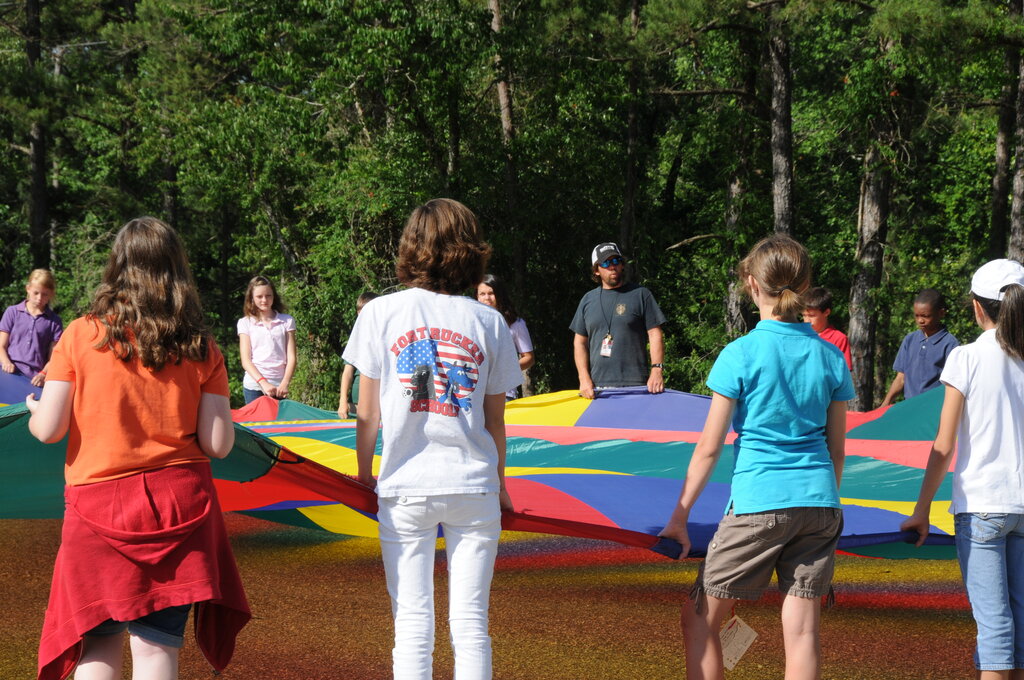
This involves more than just running laps. A quality PE program aims to:
- Develop motor skills like running, jumping, throwing, and catching.
- Build knowledge of concepts, rules, strategies, and safety in various activities.
- Achieve and maintain a health-enhancing level of physical fitness.
- Foster responsible personal and social behavior, such as sportsmanship and teamwork.
The Building Blocks of PE
A comprehensive physical education program is built on several key components that work together. It's not just a random collection of sports. Instead, it's a carefully planned sequence of learning experiences that cover different aspects of physical literacy and wellness.
These elements are interconnected. Learning the rules of a game (Games & Sports) is useless without the ability to run and throw (Motor Skills). Likewise, understanding fitness concepts helps students appreciate why certain activities are important for their health.
Conducts a comprehensive and diverse physical education program that utilizes the Essential Components of Physical Education as reflected in the SHAPE America National Standards and Grade-Level Outcomes for K-12 Physical Education and other best practices.
Growing the Whole Child
The benefits of physical education extend far beyond the gymnasium. A quality program supports the holistic development of a child, influencing their physical well being, their ability to think and learn, and their capacity to interact with others.
| Benefit Area | How PE Helps |
|---|---|
| Physical | Improves cardiovascular health, builds strong bones and muscles, and helps maintain a healthy weight. Develops coordination and balance. |
| Cognitive | Enhances concentration and focus. Movement can improve memory and problem-solving skills. Students learn to think strategically in games. |
| Socio-Emotional | Teaches teamwork, communication, and leadership. Builds resilience by learning to handle wins and losses. Boosts self-esteem and confidence. |
When children participate in PE, they aren't just exercising their bodies; they're exercising their brains and building social skills. They learn to set goals, persevere through challenges, and respect their peers. These are lessons that last a lifetime, shaping them into well-rounded, healthy adults.
PE is where students learn to work as a team, celebrate effort over winning, and build confidence through physical competence.
Time to see what you've learned about the fundamentals of physical education.
What is the primary goal of physical education?
The idea that PE teaches how to move effectively and understand how the body works is best described as:
By understanding its core purpose and components, we can see that physical education is an essential subject for developing healthy, capable, and well-adjusted individuals.