Physical Commodity Trading Business Setup
Introduction to Commodity Trading
What Is a Commodity?
A commodity is a basic good used in commerce that is interchangeable with other goods of the same type. Think of it like this: one barrel of oil is essentially the same as any other barrel of oil, and one bushel of wheat is the same as the next. This interchangeability, or fungibility, is what makes a raw material a commodity.
Because they are standardized, commodities can be bought and sold on a large scale in global markets. These aren't finished products like a smartphone or a car. Instead, they are the raw inputs used to create those products. They're the building blocks of the global economy.
Fungibility
noun
The property of a good or a commodity whose individual units are essentially interchangeable, and each of its parts is indistinguishable from another part.
Hard and Soft Commodities
Commodities are generally split into two main categories: hard and soft.
Hard commodities are natural resources that must be mined or extracted. This category includes things like metals (gold, copper, silver) and energy products (crude oil, natural gas).
Soft commodities are agricultural products or livestock. They are grown rather than mined. Think of things like corn, soybeans, coffee, sugar, and cattle. Unlike hard commodities, the supply of soft commodities is heavily dependent on weather and seasons, which can make their prices very volatile.
| Category | Type | Examples |
|---|---|---|
| Hard | Metals | Gold, Silver, Copper, Platinum |
| Energy | Crude Oil, Natural Gas, Gasoline | |
| Soft | Agricultural | Wheat, Corn, Soybeans, Coffee, Sugar |
| Livestock | Live Cattle, Lean Hogs |
How Commodities Are Traded
Commodities are traded in specialized markets. The two primary types are spot markets and futures markets.
A spot market is where commodities are bought and sold for immediate payment and delivery. If a baker needs flour today, they go to the spot market to buy wheat. Prices in the spot market reflect the current supply and demand.
This is the classic image of a marketplace, where buyers and sellers agree on a price for goods on the spot.
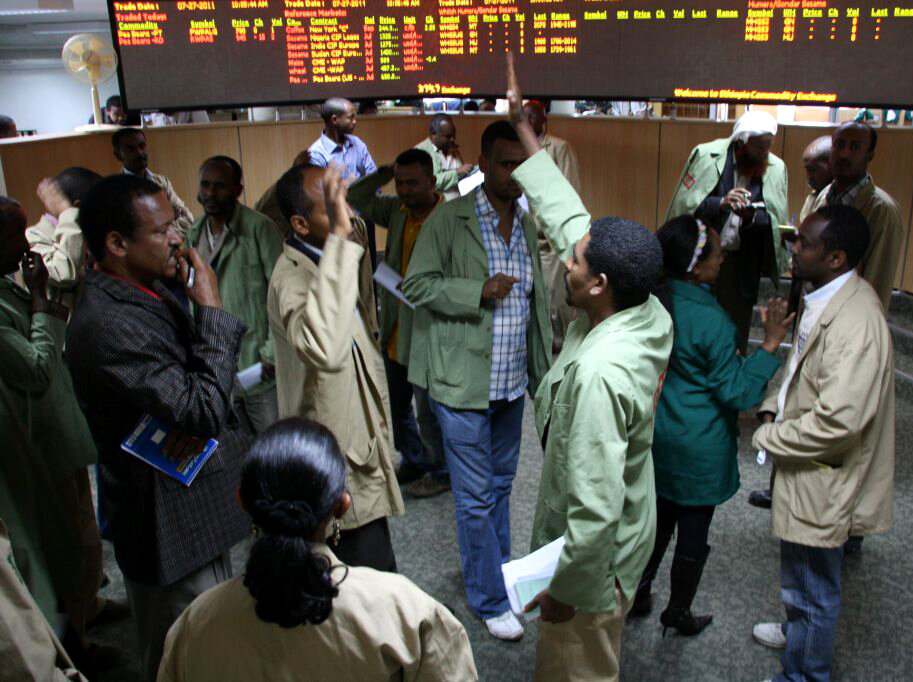
A futures market, on the other hand, deals in contracts for delivery at a future date. A farmer might sell a futures contract for their corn crop months before it's harvested. This locks in a price, protecting them from a potential price drop. A cereal company might buy that contract to lock in their costs, protecting them from a price increase.
These markets don't just involve people who produce or use the commodities. Key participants include:
- Traders: Individuals or firms that buy and sell commodities and futures contracts to profit from price changes.
- Brokers: Intermediaries who execute trades on behalf of clients, like producers or institutional investors.
- Institutional Investors: Large organizations like pension funds or mutual funds that trade commodities to diversify their portfolios or hedge against inflation.
What Moves Commodity Prices?
Commodity prices are notoriously volatile. They can swing wildly based on several factors.
The most fundamental driver is supply and demand. If a drought in Brazil ruins the coffee crop (a decrease in supply), coffee prices will likely rise. If a new, efficient mining technique is discovered for copper (an increase in supply), its price might fall.
Geopolitical events play a huge role, especially for energy. A conflict in an oil-producing region can disrupt supply chains and send crude oil prices soaring overnight. Similarly, trade agreements or tariffs between countries can impact the prices of agricultural goods.
Finally, broader economic indicators have an effect. During periods of strong economic growth, demand for industrial metals and energy often increases, pushing prices up. Inflation can also make physical assets like gold more attractive to investors, increasing its price.
Understanding the interplay of supply, demand, global events, and economic health is key to understanding the commodity markets.
Time to review the key terms we've covered.
Now, let's test your knowledge.
What is the key characteristic that defines a good as a commodity?
Which of the following is an example of a hard commodity?
You now have a foundational understanding of what commodities are, how they're categorized, and the basic mechanics of how they are traded.