Photosynthesis Explained
Introduction to Photosynthesis
How Plants Make Food
Plants can't eat the way animals do. They don't have mouths to chew food or stomachs to digest it. Instead, they are the ultimate chefs, creating their own food from the simplest ingredients. This process is called photosynthesis.
photosynthesis
noun
The process by which green plants and some other organisms use sunlight to synthesize foods from carbon dioxide and water.
The name itself gives a clue. Photo means "light," and synthesis means "to make." So, photosynthesis is literally "making with light." Plants, algae, and even some bacteria capture energy from the sun and use it to turn air and water into sugar. This sugar is the plant's energy source, fueling its growth and daily functions. It's how a tiny seed grows into a towering tree.
The Recipe for Life
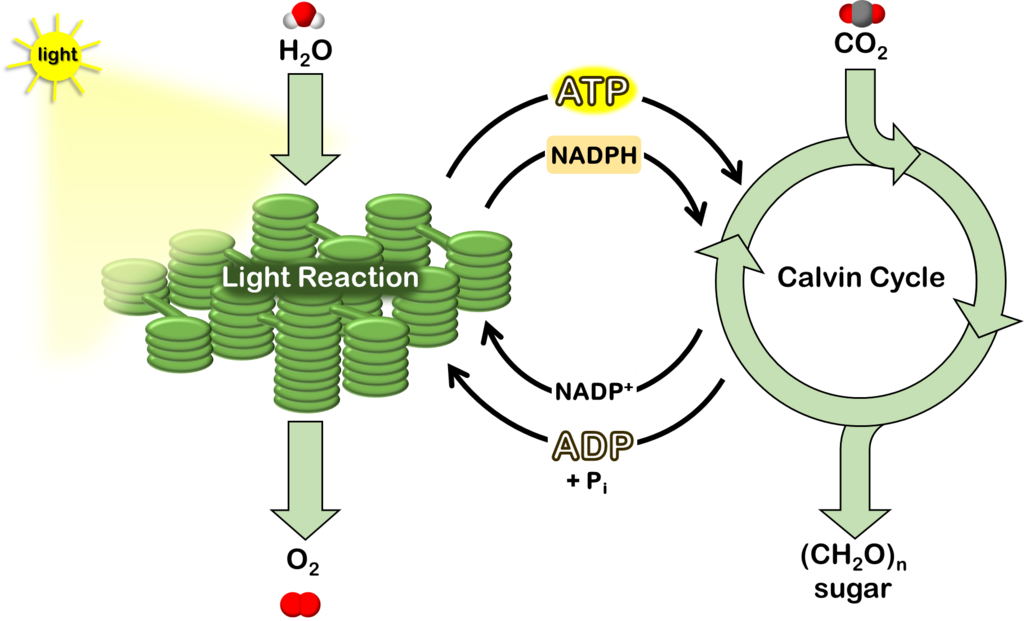
Like any recipe, photosynthesis has key ingredients and specific products. The overall chemical reaction looks complex, but the idea is simple. Plants take in two main things from their environment: carbon dioxide and water.
6CO₂ + 6H₂O —(sunlight & chlorophyll)→ C₆H₁₂O₆ + 6O₂
Let's break that down:
- Carbon Dioxide (): This is the gas we exhale and that's present in the atmosphere. Plants absorb it through tiny pores in their leaves.
- Water (): Plants draw water from the soil up through their roots and stems.
- Sunlight: This isn't an ingredient but the energy that powers the whole reaction. A pigment in leaves called chlorophyll is what absorbs this light energy.
When these components come together inside the plant's cells, a chemical reaction occurs, producing two vital things:
- Glucose (): This is a type of sugar. It's the plant's food, providing the chemical energy it needs to live.
- Oxygen (): This is released back into the air as a byproduct. For animals and humans, this byproduct is essential for breathing.
The Foundation of Ecosystems
Photosynthesis isn't just important for the plant itself; it's the foundation for almost all life on Earth. Its impact is enormous in two main ways.
First, it produces the oxygen we breathe. The atmosphere wasn't always rich in oxygen. It was the evolution of photosynthetic organisms billions of years ago that slowly changed our planet, making it habitable for complex life.
Second, it forms the base of the food chain. Organisms that produce their own food, like plants, are called producers. Animals, fungi, and other organisms that can't make their own food are called consumers. They get their energy by eating producers or by eating other organisms that eat producers.
Think about the last meal you ate. If it was a salad, you were eating a producer directly. If it was a burger, the cow ate grass (a producer) to get its energy. No matter what's on the menu, the energy can almost always be traced back to the sun, captured and converted by photosynthesis.
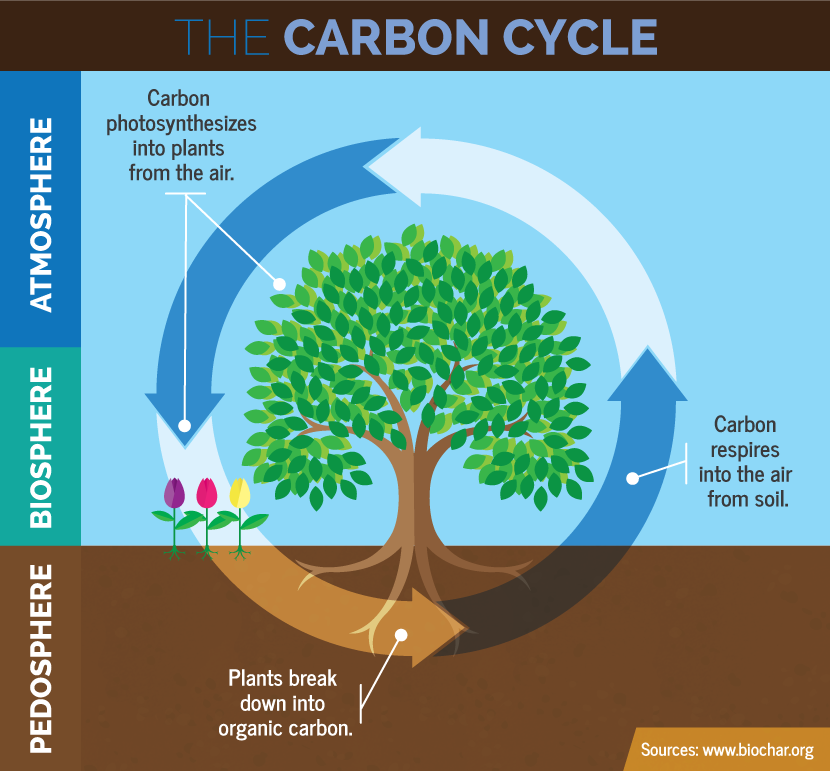
This process connects the planet in a vast, interconnected web. It takes simple, non-living materials like carbon dioxide and water and turns them into the energy that powers entire ecosystems.
What does the word "photosynthesis" literally mean?
Which of the following lists the essential ingredients for photosynthesis?
Without this elegant chemical reaction, our world would be unrecognizable.