Photosynthesis Explained
Introduction to Photosynthesis
How Plants Make Food
Plants can't walk to the fridge when they're hungry. Instead, they make their own food through a remarkable process called photosynthesis. It's how they turn sunlight into energy, creating the fuel they need to grow and thrive. This process is the foundation for nearly all life on Earth.
Photosynthesis
noun
The process by which green plants and some other organisms use sunlight to synthesize foods from carbon dioxide and water. Photosynthesis in plants generally involves the green pigment chlorophyll and generates oxygen as a byproduct.
Without photosynthesis, our planet would be unrecognizable. It not only produces the food that sustains plants but also releases the oxygen that we and most other animals need to breathe. Every breath you take is a gift from plants and other photosynthetic organisms. It's a quiet, constant process that keeps our world alive.
The Recipe for Sunlight
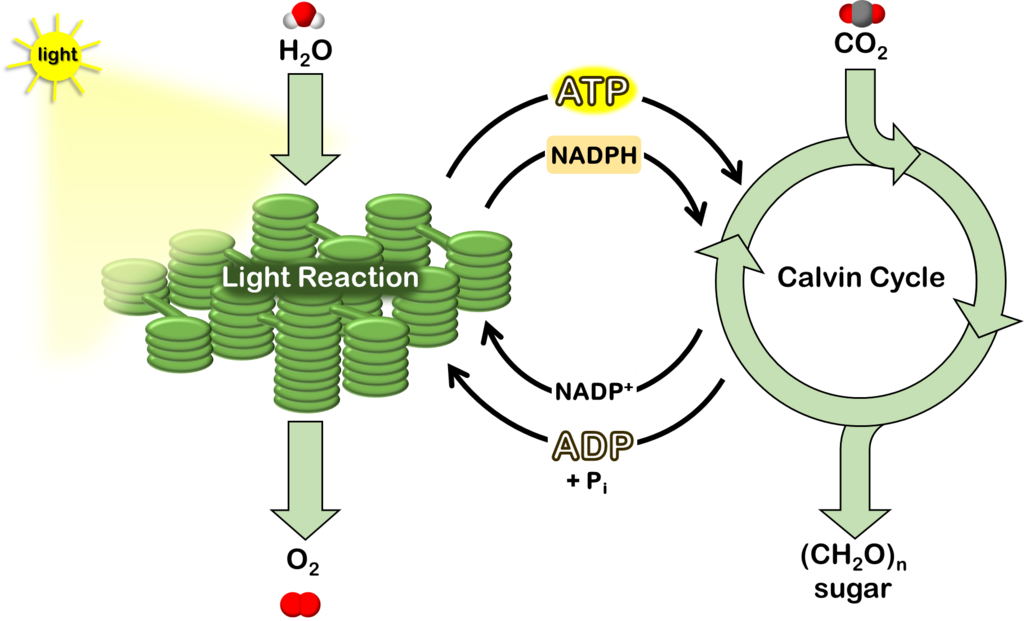
Like any good recipe, photosynthesis has specific ingredients and clear results. The plant takes in three key things: carbon dioxide from the air, water from the soil, and energy from sunlight. With these, it cooks up two products: glucose (a type of sugar) and oxygen.
The glucose is the plant's food. It's a source of chemical energy that fuels the plant's growth and daily functions. The oxygen is released back into the atmosphere as a waste product. What's waste for the plant is essential for us.
This whole process can be summarized in a chemical equation:
| Molecule | Name | Role |
|---|---|---|
| Carbon Dioxide | Ingredient (taken from air) | |
| Water | Ingredient (taken from soil) | |
| Glucose | Product (plant food) | |
| Oxygen | Product (released into air) |
A Global Impact
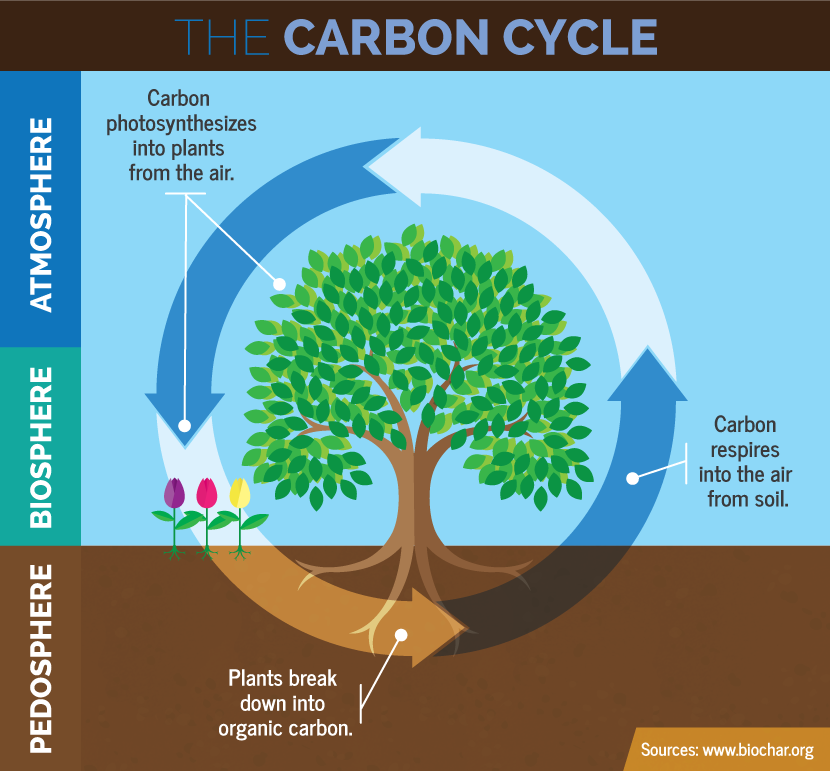
Photosynthesis doesn't just benefit the plant. It shapes our entire planet. By absorbing carbon dioxide, a greenhouse gas, plants play a crucial role in regulating Earth's climate. They are a key part of the global carbon cycle, helping to balance the composition of our atmosphere.
Furthermore, photosynthesis is the starting point for almost every food chain. Organisms that make their own food, like plants, are called producers. Animals that eat plants (herbivores) get their energy from the glucose the plants created. Animals that eat other animals (carnivores) are getting that same sun-derived energy, just secondhand.
Essentially, the energy in almost every meal you've ever eaten originated from the sun and was first captured by a plant.
Now let's check your understanding of these core concepts.
What are the three main "ingredients" a plant needs for photosynthesis?
The primary purpose of photosynthesis for the plant is to create energy (glucose). The oxygen it produces is just a waste product.
Photosynthesis is a fundamental process that turns light into life, connecting everything from the sun to the soil to the air we breathe. It's a perfect example of nature's efficiency, creating a world where life can flourish.