Photosynthesis Essentials
Introduction to Photosynthesis
The Ultimate Solar Power
Plants, algae, and some bacteria have a remarkable skill. They can eat sunlight. This process, called photosynthesis, is how they convert light energy into chemical energy, creating their own food. Think of a plant as a tiny, self-sufficient factory that runs on sunshine.
photosynthesis
noun
The process used by plants, algae, and certain bacteria to harness energy from sunlight and turn it into chemical energy.
To pull this off, they need a few key ingredients. Just like a baker needs flour and water to make bread, a plant needs carbon dioxide () and water (). Sunlight acts as the oven, providing the energy to kickstart the chemical reaction.
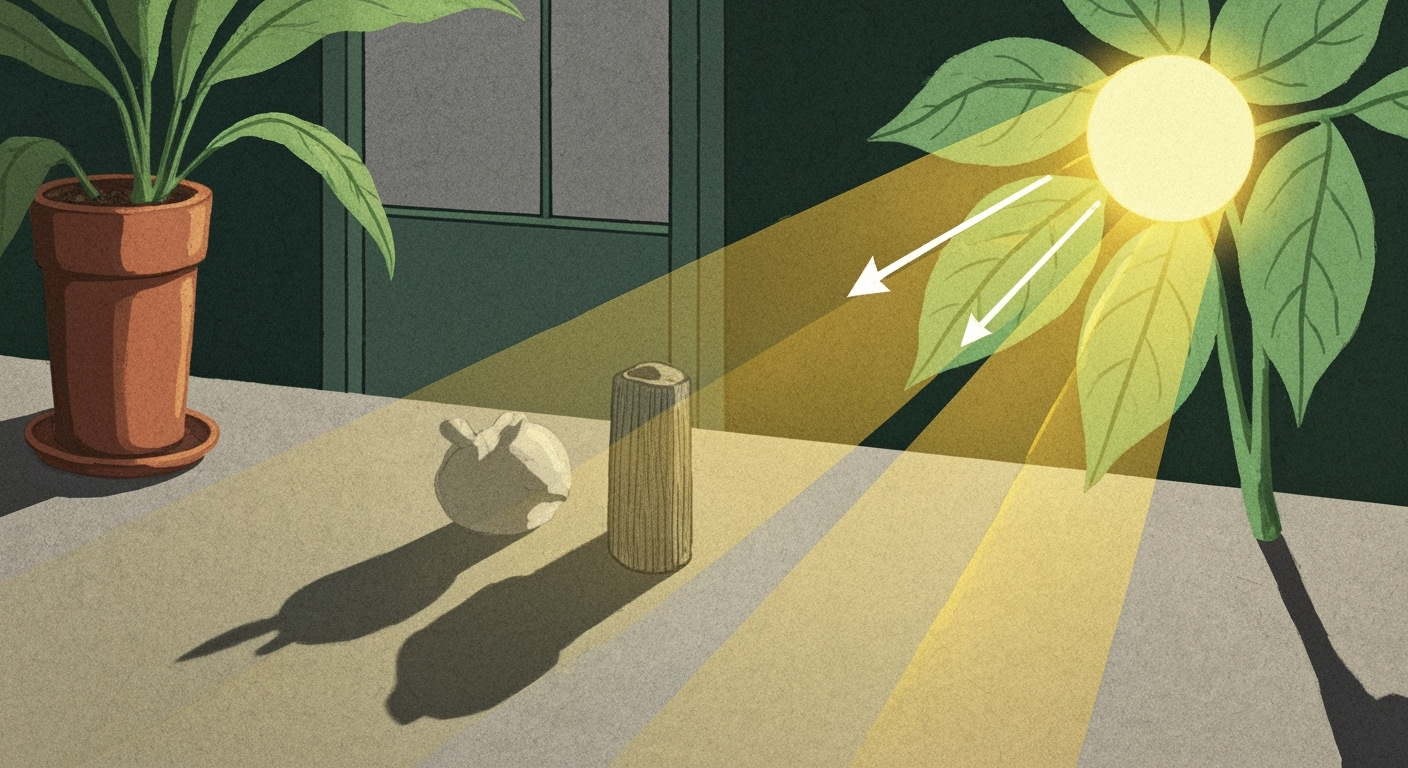
The main products of this reaction are a type of sugar called glucose () and oxygen (). The glucose is the plant's food, fueling its growth and daily functions. The oxygen is released as a byproduct, which is incredibly convenient for us and most other living things.
Photosynthesis is essentially a plant's way of cooking a meal using light, water, and air.
The Chemical Recipe
The entire process can be summarized in a simple chemical equation. It shows what goes in (the reactants) and what comes out (the products).
| Reactants (Inputs) | Products (Outputs) | |
|---|---|---|
| 6 molecules of Carbon Dioxide () | 1 molecule of Glucose () | |
| 6 molecules of Water () | 6 molecules of Oxygen () |
This balanced equation tells us that it takes six molecules of carbon dioxide and six molecules of water to produce one molecule of glucose and six molecules of oxygen. The arrow indicates the transformation, powered by sunlight.
Why It Matters
Without photosynthesis, life on Earth would look completely different, if it existed at all. It's the foundation of nearly every food chain. Organisms that perform photosynthesis, known as autotrophs or producers, form the first level of the food web. They create the energy that herbivores (plant-eaters) consume, which are then eaten by carnivores (meat-eaters).
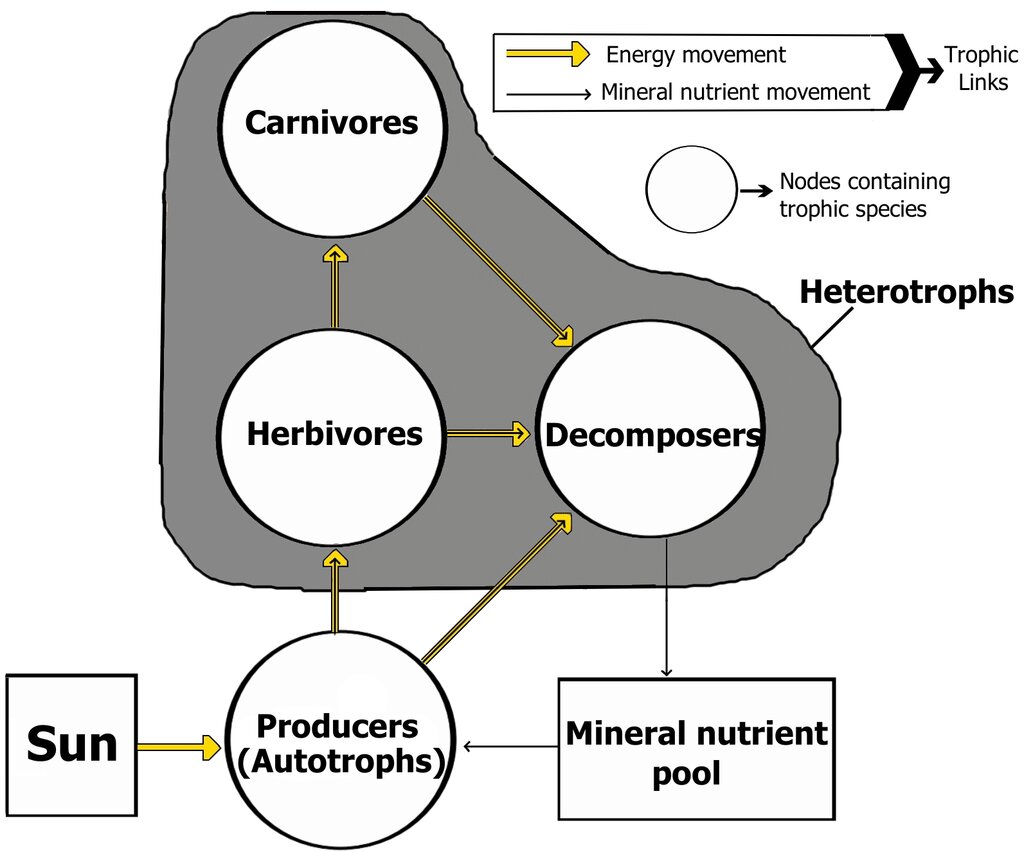
Every bite of food you eat, from an apple to a piece of bread, can be traced back to photosynthesis. The apple grew on a tree that used sunlight to make sugars, and the bread came from wheat that did the same.
Furthermore, photosynthesis is responsible for the oxygen-rich atmosphere we depend on. Before early photosynthetic organisms appeared billions of years ago, there was very little oxygen in the air. Their activity slowly transformed the planet, paving the way for oxygen-breathing life to evolve.
In short, photosynthesis feeds and breathes life into our planet.
Ready to check your understanding?
What is the primary purpose of photosynthesis for a plant?
What are the two main reactants (ingredients) that a plant needs to perform photosynthesis?
This single process connects the energy of a distant star, the air we breathe, and the food we eat in a fundamental cycle of life.